URBAN NATURE’S FORTUNES REVEALED THROUGH HISTORIC TURF SWAP
A fascinating ecological experiment has highlighted the shifting state of British biodiversity by comparing soil samples taken from Kensington Gardens four decades apart. The project demonstrates how urban and rural environments have evolved in their capacity to support diverse plant life since the early 1980s.
The story in 20 seconds
20The original project was initiated by land artist David Nash in 1983.
The experiment involved a 'Sod Swap' between North Wales and Kensington Gardens.
The circular turf sections measured 8 metres in diameter.
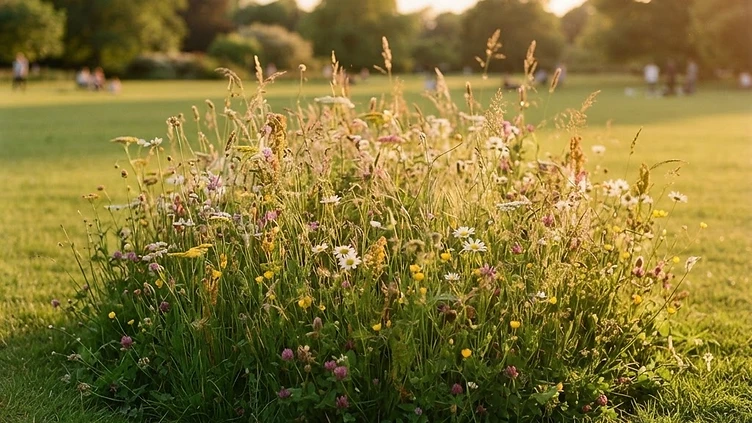
A Tale of Two Turfs Across Four Decades In the quiet corners of our nation's history, some experiments unfold at the slow, deliberate pace of nature itself. Back in 1983, a creative vision took root that would eventually span four decades, bridging the rugged, verdant expanse of North Wales with the curated, manicured elegance of London’s Kensington Gardens. Land artist David Nash embarked on an ambitious project known as the 'Sod Swap,' a delicate translocation of living earth that served as a profound observation of our changing environment. Measuring eight metres in diameter, these circular sections of turf acted as biological time capsules, silently witnessing the transformation of the British landscape from the dawn of the eighties through to the present day. This long-term ecological study has recently culminated in a 'Reverse Sod Swap,' conducted by artist Mike Perry on April 9, 2024, providing us with a rare, longitudinal perspective on the health of our ecosystems. By comparing these living segments of soil after forty years, the project has peeled back the curtain on how urban and rural environments have evolved in their capacity to nurture plant life, offering a unique glimpse into the shifting fortunes of our natural world.
The Contrasting Stories of Soil When botanists meticulously analysed the species count within these transplanted samples, the results offered a striking narrative of divergence. The turf originating from the Welsh landscape, having been part of this long-term observation, revealed a rich tapestry of life, hosting 27 distinct plant species. In stark contrast, the sample from Kensington Gardens told a more subdued story, containing just three species. This numerical gap serves as a powerful illustration of the differing pressures exerted upon our land. It reminds us that biodiversity is not a constant; it is a sensitive, reactive component of the environment that responds to the specific conditions of its habitat. The experiment captures the essence of our shifting ecological reality, tracking the survival and resilience of plants through the lens of a simple, circular patch of ground that stood as a witness to four decades of change.
Nurturing Nature in Densely Populated Boroughs The story of this turf swap is particularly poignant when we consider the location of the urban sample. Kensington and Chelsea, while famed for its historic charm and vibrant character, is one of London's most densely populated boroughs. In a space where every square inch is precious, land for nature is limited; only 19% of the Royal Borough is currently designated as open space. Within this bustling urban environment, the challenge of preserving biodiversity is significant, yet the borough remains committed to the cause, currently maintaining 24 designated Sites of Importance for Nature Conservation, known as SINCs. These pockets of green are more than just parks; they are essential refuges that work tirelessly to support ecological variety amidst a concrete-dense landscape. The experiment highlights that urban green spaces are not merely aesthetic additions to our cities but are critical infrastructure for the survival of plant species, acting as vital lungs and reservoirs of natural life within our most concentrated communities.
A Hopeful Outlook for British Biodiversity As we reflect on this forty-year journey, the legacy of the project provides an optimistic look at how we view the relationship between art, science, and the environment. By grounding this study in the tangible evidence of soil and species, we gain a long-term perspective on the health of British ecosystems that is both grounded and enlightening. The collaboration between artists and the scientific community has successfully translated the invisible changes occurring beneath our feet into a clear, understandable narrative. This study reinforces the fundamental importance of protecting and cultivating green spaces within our urban centres. It is a testament to the resilience of nature and our own ability to foster biodiversity if we provide the right conditions for it to thrive. Looking forward, the insights gathered from the Sod Swap serve as a reminder that every patch of grass and every garden in our cities contributes to the wider health of the British landscape. By valuing these small, vital areas of earth, we ensure that the biodiversity of tomorrow can continue to flourish alongside the urban rhythms of our modern lives. Through projects like this, we are better equipped to understand, cherish, and sustain the natural world that lies right outside our doorstep, promising a future where our cities and our countryside work in closer harmony than ever before.
Originally reported by
All rights in the original reporting remain with the publishers below.
Originally reported by theguardian.com. Our feature is written independently from verified facts — please support the original reporting:
Read the original storyRelated Wins

 Science
A NEW MELODY FOR NATURE: AI HELPS BIRDS RECLAIM THEIR SONGS
Scientists are deploying artificial intelligence and acoustic tutoring to help fledgling birds learn the complex songs necessary for survival and mating. This innovative conservation approach aims to preserve unique avian dialects that are at risk of disappearing as populations decline.
London & South · 1 hour ago

 Health
Kingston won't enforce ban on plastic decorations at cemetery to protect environment
A local ecologist and Kingston Council have launched a collaborative environmental initiative to preserve the biodiversity of a historic cemetery by reducing plastic waste, focusing on education over enforcement.
London & South · 7 hours ago

 Environment
A Rare Return to the River Wye
A pair of ospreys has been spotted nesting in Herefordshire, marking a historic milestone for the county’s biodiversity. This successful breeding attempt is believed to be the first of its kind in the region for at least two centuries.
Midlands · 7 hours ago
The Sunshine Digest
One bright email each week — verified good news only, unsubscribe in a click.