Kingston won't enforce ban on plastic decorations at cemetery to protect environment
A local ecologist and Kingston Council have launched a collaborative environmental initiative to preserve the biodiversity of a historic cemetery by reducing plastic waste, focusing on education over enforcement.
The story in 20 seconds
20Alison Fure initiated a petition with 1,241 signatures
Kingston Cemetery is a Grade I Site of Importance for Nature Conservation (SINC)
Kingston Council is using an educational approach rather than strict bans
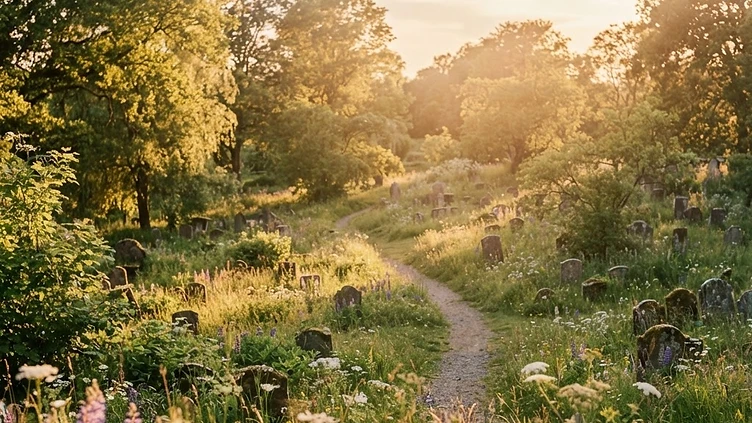
A Greener Future for Kingston Cemetery At the heart of our local community lies the historic Kingston Cemetery, a place of quiet reflection that serves as more than just a final resting place. This significant site, recognized as a Grade I Site of Importance for Nature Conservation, holds a special place in the landscape of London and South England. Recently, an encouraging shift in how we honor our loved ones has begun to take root, driven by a desire to balance personal remembrance with the urgent need to protect the natural world. Instead of heavy-handed regulation, a thoughtful new initiative is seeking to transform our relationship with the cemetery grounds, turning them into a sanctuary for both memory and nature. The initiative, led by local ecologist Alison Fure in collaboration with Kingston Council, marks a refreshing departure from traditional management styles. Rather than imposing rigid rules or strict bans on the plastic decorations often left at gravesites, the project champions the power of shared responsibility. By focusing on education and community-led environmental stewardship, the council is encouraging visitors to consider the long-term impact of their tributes. This collaborative approach recognizes that the beauty of such a historic space is deeply intertwined with the health of the environment, and it trusts the community to make choices that honor both the deceased and the living habitats around them.
Protecting Our Fragile Local Wildlife The inspiration for this movement stems from a clear understanding of the ecological value hidden within the cemetery gates. As a designated Site of Importance for Nature Conservation, the land provides a vital refuge for a wide variety of wildlife. Ecologist Alison Fure has been instrumental in bringing this to the public eye, successfully galvanizing local sentiment with a petition that garnered 1,241 signatures. This impressive level of public support highlights a widespread desire to safeguard the local ecosystem, ensuring that the birds, bats, and hedgehogs that call the cemetery home can thrive undisturbed. The environmental stakes are high, as plastic waste left as tributes can quickly become a detriment to these delicate habitats. Synthetic flowers and plastic-based decorations, while intended as gestures of love, often break down into materials that do not belong in a natural setting. The current initiative seeks to bridge the gap between human tradition and ecological necessity. By gently highlighting the consequences of non-biodegradable items, the project encourages visitors to shift toward sustainable alternatives. This is not about removing the ability to memorialize a loved one, but rather about evolving our practices so that our tributes work in harmony with the natural rhythm of the seasons.
Education Over Strict Enforcement One of the most notable aspects of this Kingston initiative is the decision to avoid punitive measures. Many might expect a council to respond to environmental concerns with new by-laws or fines, but Kingston Council has opted for a far more constructive path. By choosing education over enforcement, they are fostering a culture of voluntary participation. This philosophy suggests that when people are provided with the facts and invited to be part of the solution, they are far more likely to engage positively with conservation goals. This outreach is designed to empower visitors, providing them with the knowledge they need to make environmentally friendly decisions. Whether it is opting for fresh flowers that will return to the earth or other biodegradable tributes, these small changes can have a massive cumulative impact on the cemetery’s biodiversity. It is a testament to the idea that environmental progress does not have to be adversarial. When stakeholders work together—from the ecologist mapping out the needs of the resident wildlife to the local government providing the platform for change—the community at large feels a sense of ownership over the preservation of their shared green spaces.
Looking Toward a Sustainable Horizon As this project continues to gain momentum, it serves as a heartening example for the rest of the UK. Kingston Cemetery is demonstrating that historic spaces can adapt to modern environmental challenges without losing their character or meaning. By protecting the birds, bats, and hedgehogs that inhabit the grounds, the community is ensuring that the cemetery remains a vibrant, living testament to life itself. The success of this collaboration between Alison Fure and the council underscores the potential for positive change when local expertise is paired with responsive governance. Looking ahead, the initiative offers a bright template for how we might reconsider our traditions in an era of climate awareness. The shift toward biodegradable tributes is a simple yet profound way to honor the past while protecting the future. It is a slow, steady change that respects the sensitivities of mourning while simultaneously ensuring that our local landscapes remain wild and resilient. As more residents join the conversation, the cemetery continues to flourish, standing as a beautiful intersection of human history and the natural cycle of life. Through this shared commitment, Kingston is not only preserving a vital ecological site but is also cultivating a deeper, more mindful connection between the community and the precious habitats that surround us.
Originally reported by
All rights in the original reporting remain with the publishers below.
Originally reported by mylondon.news. Our feature is written independently from verified facts — please support the original reporting:
Read the original storyRelated Wins

 Culture
Lee Child backs launch of reading scheme to send prisons half a million books
A major new initiative led by author Lee Child is distributing nearly 500,000 books to prisons across the UK to improve literacy levels and support offender rehabilitation as part of the National Year of Reading 2026.
London & South · 1 hour ago

 Sport
SportGloucester upset odds to hold champions Bordeaux to draw in Champions Cup epic
Gloucester Rugby delivered a spirited performance to secure a hard-fought draw against the reigning title holders, Bordeaux Bègles, in a high-scoring European Champions Cup clash. The home side showcased immense resilience at Kingsholm Stadium, matching the French giants try-for-try in a pulsating start to the new continental campaign.
London & South · 1 hour ago

 Health
Gregor Fisher's steak pie 'with a twist' recipe as fans call for a cook book from Rab C Nesbitt icon
Beloved Scottish actor Gregor Fisher has delighted fans by sharing a unique take on a traditional steak pie recipe. The celebrated performer, known for his iconic roles in Scottish television, has sparked calls for a full cookbook following his creative culinary contribution.
Scotland · 7 hours ago
The Sunshine Digest
One bright email each week — verified good news only, unsubscribe in a click.