‘Nature thrives when given a chance’: restored Cheshire wetland now a haven for rare grebe
A former industrial dumping ground in Warrington has been transformed into a thriving wetland, now serving as the UK’s most important breeding site for the rare black-necked grebe. This conservation success story highlights how targeted habitat restoration can turn neglected landscapes into vital havens for vulnerable wildlife.
The story in 20 seconds
20The Woolston Eyes Nature Reserve was historically a site for canal dredgings.
The site is the premier breeding location for black-necked grebes in the UK.
Restoration involved careful management of water levels and creation of reedbeds.

A Remarkable Transformation in the North
In the heart of the North of England, a quiet revolution has been unfolding across four hundred hectares of landscape. in Warrington stands today as a testament to what is possible when human dedication aligns with the rhythms of the natural world. Once defined by its industrial past, this expanse has undergone a profound metamorphosis, evolving from a site used for canal dredgings into a flourishing wetland sanctuary. This story of regeneration serves as a heartening reminder that even the most neglected corners of our environment can be reclaimed for the benefit of nature.
Since 1979, the Woolston Eyes Conservation Group and the RSPB have worked with unwavering focus to manage this reserve. Their long-term commitment has transformed a former industrial dumping ground into a vibrant mosaic of habitats, now formally recognised as a Site of . This designation underscores the ecological significance of the reserve, acknowledging the vital work that has been done to create a sanctuary where wildlife can once again gain a foothold. By carefully managing water levels and fostering the growth of essential reedbeds, these dedicated teams have crafted an environment that feels less like a legacy of industry and more like a primordial wilderness.
A Haven for the Rare Grebe
Perhaps the most striking outcome of this is the return and subsequent success of the black-necked grebe. These rare and elegant birds have found a vital refuge within the wetlands of Warrington, which now stands as the premier breeding location for the species across the entire United Kingdom. Seeing these birds thrive in such numbers is a powerful testament to the efficacy of the ongoing habitat management project. It provides a rare glimpse of ecological recovery that often feels elusive in our modern, developed landscape.
For the conservationists involved, the success of the black-necked grebe is more than just a metric; it is a symbol of restoration. The careful engineering of the water levels and the intentional creation of reedbeds have effectively mirrored the conditions these birds require to nest and flourish. This targeted approach has turned a forgotten industrial site into a cornerstone of UK wildlife conservation. Every chick that hatches here is a direct result of decades of persistent, community-led effort, illustrating that nature is incredibly resilient if only we provide the space and stability it needs to rebuild its populations.
Beyond the Birds: A Thriving Ecosystem
While the black-necked grebe captures the headlines, the broader ecological health of Woolston Eyes is equally impressive. The reserve supports a diverse array of life, including twenty-one species of dragonflies and twenty-six species of butterflies. This variety of insect life indicates a robust and functional wetland system, where the interconnectedness of water, plant life, and animal activity supports a rich, multi-layered environment. These populations of dragonflies and butterflies are the quiet indicators of a successful project, demonstrating that the restoration has benefited the entire food web, not just a single high-profile species.
This richness of biodiversity is exactly what the conservation groups envisioned when they first began their work back in the late seventies. By focusing on the structural health of the four hundred hectares, they have fostered an environment that invites a wide range of visitors. Each butterfly species and each dragonfly variety adds another layer to the complex, functioning beauty of the reserve. The transformation from a dumping ground to a thriving, biodiverse habitat is a model for environmental recovery that can be applied elsewhere, offering a beacon of hope for other similar sites across the UK.
An Optimistic Look Ahead
As we look toward the future, the lessons learned at Woolston Eyes remain profoundly relevant. The collaborative spirit between the Woolston Eyes Conservation Group and the RSPB highlights how essential community-led, long-term stewardship is for the survival of vulnerable species. This is not a project that happened overnight; it is a story written in the steady, patient progress of four decades. It is a story that proves habitat restoration is a viable, necessary tool in the fight to support our native wildlife, ensuring that rare birds like the black-necked grebe continue to have a home within our borders.
Ultimately, the story of Woolston Eyes is one of optimism. It challenges the notion that industrial landscapes are permanently scarred, offering instead a template for how we might heal the land. As the reserve continues to be managed and protected, it promises to remain a vital haven for generations to come. For those looking for evidence that nature thrives when given a chance, Warrington now holds the answer. The hard work of the past forty-five years has yielded a legacy of life, ensuring that the reeds continue to whisper with the movement of birds and that the air remains filled with the flutter of wings, marking the ongoing success of a landscape restored to its natural state.
Originally reported by
All rights in the original reporting remain with the publishers below.
Originally reported by theguardian.com. Our feature is written independently from verified facts — please support the original reporting:
Read the original storyRelated Wins

 Environment
GARDEN RESILIENCE: NATURE’S QUIET RECOVERY IN STAFFORDSHIRE
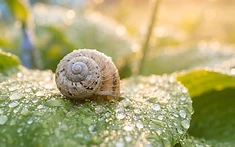
A local observer in Stoke-on-Trent has highlighted the remarkable resilience of garden wildlife, noting how common snails have emerged from their summer dormancy to reclaim and transform the landscape. This gentle return of garden life serves as a reminder of the natural world's ability to adapt and thrive even after challenging weather conditions.
North of England · 10 hours ago

 Environment
COMMUNITY SPIRIT SOARS: CURLEW CHICKS RETURN TO THE WILD
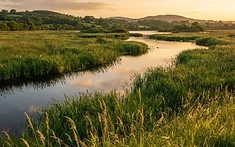
A successful conservation effort in County Fermanagh has seen a group of rescued curlew chicks safely returned to their natural habitat. This heartening milestone was achieved through a collaborative partnership dedicated to protecting vulnerable species and restoring local ecosystems.
Northern Ireland · 16 hours ago

 Environment
A WINGED TRIUMPH: BRITISH PHOTOGRAPHER CLAIMS TOP GLOBAL HONOUR
A stunning image of a northern gannet breaking through the ocean surface has been crowned the grand prize winner of the 2026 Bird Photographer of the Year competition. Captured by UK-based photographer Henry Spiers, the winning shot highlights the remarkable agility of these seabirds in their natural Scottish habitat.
Scotland · 22 hours ago
The Sunshine Digest
One bright email each week — verified good news only, unsubscribe in a click.