GARDEN RESILIENCE: NATURE’S QUIET RECOVERY IN STAFFORDSHIRE
A local observer in Stoke-on-Trent has highlighted the remarkable resilience of garden wildlife, noting how common snails have emerged from their summer dormancy to reclaim and transform the landscape. This gentle return of garden life serves as a reminder of the natural world's ability to adapt and thrive even after challenging weather conditions.
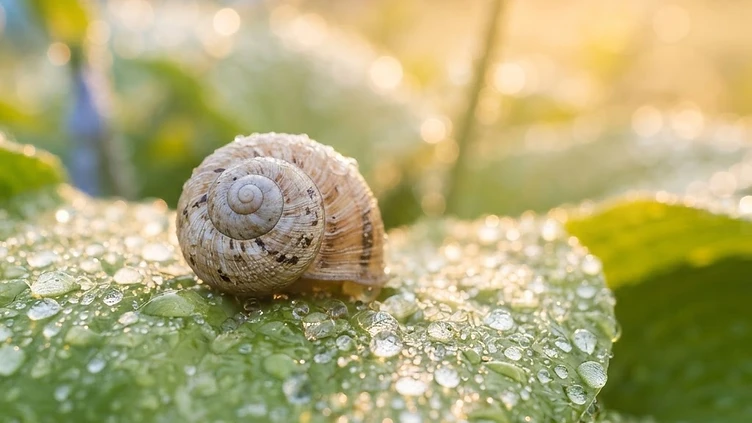
A Quiet Awakening in Stoke-on-Trent
Across the s of Stoke-on-Trent this September 2026, a subtle and fascinating transformation is taking place. While we often look for grand spectacles in nature to mark the changing of the seasons, sometimes the most profound stories unfold on a much smaller scale. Local observer Josie George has spent time documenting the gradual return of common garden , creatures that have been largely unseen throughout the heat of the summer months. Their reappearance serves as a gentle, rhythmic reminder that our urban landscapes in the North of possess an extraordinary capacity for persistence and natural recovery, even when faced with environmental conditions that challenge their very existence.
The Science of Summer Dormancy
To understand the significance of this migration back into our flowerbeds and pathways, we must first look at the unique survival mechanism known as . Often confused with the winter hibernation that many of us associate with cold weather, aestivation is a distinct biological response to extreme heat and prolonged dry spells. When the elements become too harsh to navigate, the common garden snail effectively hits the pause button on its life. During this period of dormancy, the creature undergoes a remarkable physiological shift. Its heart rate slows down to a fraction of its usual pace, and its intake of drops significantly as it enters a state of deep conservation. Perhaps most ingenious of all is the creation of the epiphragm, a protective seal formed to keep vital moisture tucked safely inside the shell. By closing itself off from the parched world, the snail waits patiently for the arrival of more hospitable conditions, demonstrating a form of resilience that is as ancient as it is effective.
Nature's Own Pattern Makers
As the temperatures in have begun to drop, these resilient little engineers have broken their seals and re-emerged to reclaim the landscape. For keen observers like Josie George, this return is not merely a biological event but a visual delight. As the snails navigate their surroundings, they leave behind trails that can best be described as intricate patterns or living artwork. These glistening paths wind across garden surfaces, turning ordinary patios and foliage into a temporary canvas of biological activity. It is easy to overlook such tiny visitors in the rush of daily life, yet these creatures are far more sophisticated than they might first appear. Research suggests that garden snails possess complex behaviours and genuine learning capabilities, navigating their environments with a purpose that defies their humble reputation. Watching them reclaim their territory is a soothing experience, grounding us in the reality of a world that persists and thrives regardless of the pressures of a changing climate.
Resilience in the Urban Wild
This phenomenon in the North of England is a powerful case study in the resilience of urban wildlife. While human infrastructures and weather patterns continue to evolve, the local flora and fauna adapt with a quiet, persistent tenacity. The story unfolding in Stoke-on-Trent is a microcosm of a much broader narrative regarding how nature reconciles with the elements. When we witness the common garden snail emerging after a long, hot summer, we are not just seeing a simple creature move through the grass; we are witnessing a biological success story. This return underscores the beauty of our local ecosystems and the vital role that even the smallest inhabitants play in maintaining the character of our gardens. As we move further into the season, there is a distinct optimism in seeing these life cycles reset. It reminds us that our own backyards are not static spaces but dynamic environments that breathe, rest, and recover in their own time. By slowing down to appreciate these small, steady recoveries, we can find a renewed appreciation for the natural world that resides just beyond our doorsteps, forever adapting and finding new ways to flourish in the face of adversity.
Originally reported by
All rights in the original reporting remain with the publishers below.
Originally reported by Country diary: The snails are back to reclaim my garden – and leave behind a little artwork | Josie George. Our feature is written independently from verified facts — please support the original reporting:
Read the original storyRelated Wins

 Environment
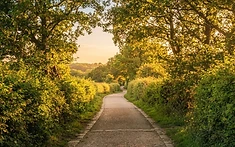
Volunteers clear overgrown Sparrow Lane footpath in community clean-up effort
A dedicated group of local volunteers in Knutsford recently transformed a neglected public footpath on Sparrow Lane, clearing away years of overgrown vegetation to restore access for the community.
North of England · 1 hour ago

 Environment
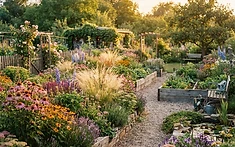
A Blooming Legacy: RHS Chelsea Gold Medal Plants Find New Home in Widnes
A prestigious collection of plants from an award-winning RHS Chelsea Flower Show garden has been gifted to the Wonky Garden in Widnes, providing a vibrant new lease of life for the community and ensuring the display continues to inspire local residents.
North of England · 1 hour ago

 Environment
Wimbledon Residents Unite to Secure Historic Pub’s Future
A dedicated group of South Londoners has successfully raised £300,000 to protect a 150-year-old local landmark from demolition. This community-led initiative aims to transition the historic venue into a resident-owned establishment, ensuring it remains a permanent social hub for the neighbourhood.
London & South · 2 hours ago
The Sunshine Digest
One bright email each week — verified good news only, unsubscribe in a click.