CAMDEN HIGH STREET EMBRACES PERMANENT PEDESTRIAN FUTURE
Following a successful 18-month trial, Camden Council has officially confirmed that a major section of Camden High Street will remain permanently closed to motor vehicles. The decision aims to foster a safer, healthier environment for the quarter-million visitors who frequent the area each week.
The story in 20 seconds
20Camden Council announced the permanent pedestrianisation of a key stretch of Camden High Street on October 27, 2026.
The decision follows an 18-month experimental trial that began in May 2025.
The car-free zone spans the area from the junction of Parkway and Kentish Town Road to the junction of Jamestown Road and Hawley Crescent.
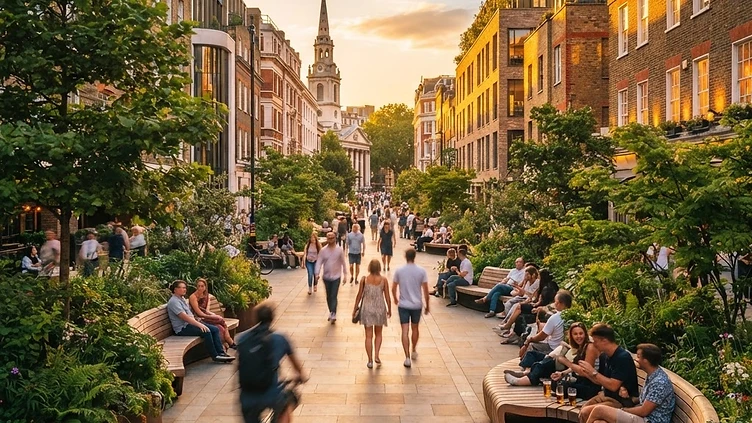
A Greener Future for Camden High Street
The historic streets of London are often defined by the rhythm of passing traffic, the hum of engines, and the constant navigation of busy intersections. However, a significant corner of the capital has embarked on a transformative journey, turning the page on the traditional high street experience. On October 27, 2026, Camden Council officially announced a move that signals a new era for one of the city's most vibrant destinations. The heart of , a bustling corridor known for its energy and charm, is set to remain permanently closed to motor vehicles, cementing the success of an initiative that has fundamentally altered the local landscape.
This decision, while momentous, follows a patient and evidence-based approach. The project originated as an experimental trial back in May 2025, lasting for eighteen months to gauge the long-term viability of a car-free environment. For over a year, residents, shoppers, and business owners have lived within this new reality, monitoring how the absence of cars impacts their daily lives. The results have been overwhelmingly positive, creating a blueprint for how urban centers across the United Kingdom might prioritize people over gridlock in the coming years. By observing the shifts in behavior and atmosphere during this trial period, the council was able to make an informed choice that balances convenience with the undeniable benefits of a cleaner, more tranquil public space.
Data Drives the Decisions
Beyond the qualitative feedback of those strolling through the neighborhood, the decision is grounded in a robust body of data collected throughout the eighteen-month trial. Perhaps most striking is the improvement in environmental conditions. During the assessment, nitrogen dioxide (NO₂) levels within the designated zone dropped by 14.4%. This reduction represents a tangible shift in air quality, a critical victory for a busy area that welcomes a quarter-million visitors every single week. In an age where air quality is a pressing concern for urban planning, such a measurable improvement offers a glimmer of hope and a practical success story for city councils nationwide.
Safety, too, has seen a transformative evolution. The data recorded during the trial period highlights a remarkable achievement in public wellness. In the nine months following the start of the experimental closure, zero traffic collisions were reported on the stretch of the high street under review. The contrast is stark; by simply removing the hazard of vehicular movement from this central artery, the council has effectively eliminated the primary source of road-based incidents. This level of safety provides a foundation for the area to remain a welcoming environment for families, tourists, and the local workforce alike.
Public Support and Future Planning
Public sentiment has been a vital component of this transition from the very beginning. Long before the final announcement was made, the community was invited to share their vision for the future. In a 2024 consultation, over 70% of respondents backed the proposal to prioritize pedestrians, signaling a strong appetite for this shift in urban design. This high level of public approval reflects a broader desire for more breathable, accessible spaces in the city. The decision by Camden Council to honor these sentiments suggests a harmonious relationship between municipal governance and the people who frequent these iconic streets.
The zone itself covers a strategic stretch of the neighborhood, spanning from the junction of Parkway and to the junction of Jamestown Road and Hawley Crescent. By reclaiming this specific corridor, the council has ensured that the impact is both significant and manageable, allowing the surrounding infrastructure to adapt while preserving the character of the high street. This area serves as a focal point for visitors, and its new pedestrian-friendly status transforms the act of walking through Camden into a more immersive, less hurried experience.
Looking Toward a Healthier Horizon
As the permanent pedestrianisation takes effect, the implications for the future of Camden are profound. The shift away from motor vehicles is not merely a temporary adjustment; it is a long-term commitment to a safer, healthier environment. With a quarter-million people passing through each week, the cumulative benefits of cleaner air and accident-free thoroughfares will be felt by thousands of individuals daily. It is a testament to the idea that thoughtful planning can resolve complex urban challenges.
The successful transition of this high street serves as a beacon for other parts of London and the UK. As the nation grapples with the pressures of urban living and the need for more sustainable public spaces, the success of the Camden experiment offers a proven pathway forward. It shows that by listening to public feedback and remaining diligent with data, councils can create environments that thrive in the absence of cars. Moving forward, the residents and visitors of this vibrant London district can enjoy the fruits of a decision that puts human well-being at the heart of the capital’s development. This is more than a change in traffic regulation; it is an embrace of a more vibrant, open, and healthy urban life.
Originally reported by
All rights in the original reporting remain with the publishers below.
Originally reported by mylondon.news. Our feature is written independently from verified facts — please support the original reporting:
Read the original storyRelated Wins

 Environment
Camden High Street bans cars 24/7 days after Oxford Street pedestrianisation
Camden High Street has officially become a permanent pedestrian-only zone following a successful 18-month trial. This transformation aims to create a safer, healthier environment for visitors and residents while significantly improving local air quality.
London & South · 2 hours ago

 Culture
Auction house Gorringe's relocates its premises within Tunbridge Wells
Auction house Gorringe’s has expanded its presence in the South East by opening a new valuation office in Tunbridge Wells. This move brings the historic firm’s expertise closer to the local community, marking a new chapter for the long-standing business.
London & South · 2 hours ago

 Sport
West Ham Starlet’s Stunning Volley Earns Top Honours
West Ham United forward Viviane Asseyi has been awarded the "Fresh Move of the Round" in the Subway Players Cup for her remarkable goal-scoring display. The French international’s technical brilliance and movement have made her a standout performer for the Hammers during the 2026-27 campaign.
London & South · 2 hours ago
The Sunshine Digest
One bright email each week — verified good news only, unsubscribe in a click.