Camden High Street bans cars 24/7 days after Oxford Street pedestrianisation
Camden High Street has officially become a permanent pedestrian-only zone following a successful 18-month trial. This transformation aims to create a safer, healthier environment for visitors and residents while significantly improving local air quality.
The story in 20 seconds
20Permanent pedestrianisation confirmed on October 27, 2026
Follows an 18-month trial starting in May 2025
Zone extends from Camden Town Underground station to Hawley Crescent
A New Dawn for Camden Town
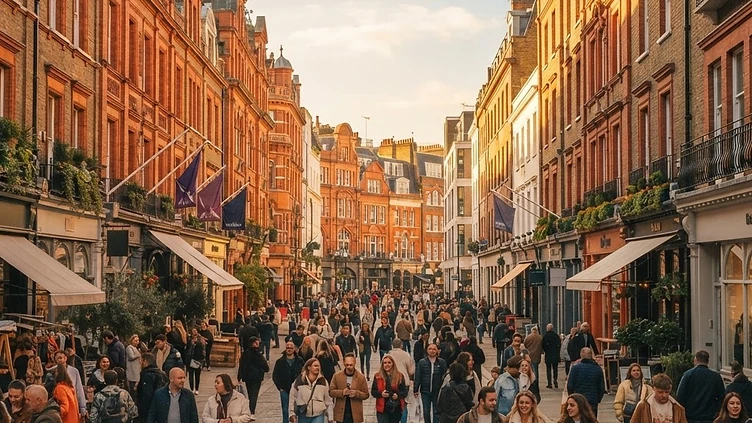
London has long been a city of constant motion, yet there are moments when the heartbeat of a neighbourhood shifts in a way that changes everything. On October 27, 2026, a landmark decision by Camden Council marked the beginning of a fresh chapter for one of the capital's most iconic thoroughfares. Camden High Street, a vibrant artery known for its restless energy and eclectic spirit, has officially transitioned into a pedestrian-only zone. This transformation is not merely a change in road status; it is a thoughtful reimagining of how urban spaces can better serve the people who walk, shop, and live within them. By removing vehicle traffic from the bustling stretch between station and Hawley Crescent, the local authority has prioritised human experience over the convenience of commuters in cars.
Learning Through Experience
The decision to permanently reclaim this space for pedestrians did not happen overnight. It was the culmination of a rigorous 18-month trial period, which first began in May 2025. This experimental phase allowed residents and visitors alike to witness the benefits of a car-free environment first-hand, transforming the way people interact with their local environment. Throughout this extended trial, the council carefully monitored both safety and environmental data to ensure that the change would bring genuine, lasting value to the community. By taking this steady approach, the council ensured that the transition was rooted in clear evidence rather than speculation, allowing the public to adapt to the new layout while the benefits became increasingly apparent. The results spoke for themselves, providing a clear mandate for the permanent changes now in place.
Healthier Streets and Safer Journeys
One of the most compelling arguments for this shift lies in the immediate improvements to public health and physical safety. The data collected during the trial phase offers a powerful narrative of progress, most notably in the significant reduction of harmful emissions. During the trial period, dioxide levels across the pedestrianised area plummeted by an impressive 14.4%. For those living and working in the heart of Camden, this means cleaner air and a more pleasant daily environment. The impact on public safety has been equally profound. In the nine months leading up to the final decision to make the zone permanent, there were zero collisions reported along this specific section of the high street. This record stands as a testament to the effectiveness of separating pedestrian traffic from vehicular flow. By creating a space where families, shoppers, and tourists can wander freely without the underlying tension of road traffic, the area has become a model for how urban planning can actively protect its citizens.
A Community Shaping Its Future
This initiative is a cornerstone of the '' sustainability strategy, a project that reflects a deeper commitment to long-term environmental health and economic resilience. It is heartening to see that this bold move has been met with clear backing from the local community. When consulted on the future of their streets, 57% of total respondents expressed their support for the permanent pedestrianisation of this key zone. This public endorsement highlights a growing desire among Londoners to see their neighbourhoods prioritised for people rather than vehicles. It is clear that the community values the quieter, cleaner, and more accessible atmosphere that has taken root. By fostering a space that encourages walking and social interaction, the council is not only addressing environmental concerns but also supporting the conditions necessary for sustainable economic growth. The high street remains as vibrant as ever, but it now functions as a destination to linger in rather than simply a route to pass through.
Looking Toward a Greener Horizon
The shift in Camden closely on the heels of major pedestrianisation efforts on Oxford Street, signalling a broader movement across London and the wider United Kingdom to re-evaluate our urban landscapes. The success seen in Camden serves as a bright beacon for other towns and cities facing similar challenges with congestion and pollution. It proves that with careful planning and a commitment to public wellbeing, we can transform even the busiest, most chaotic streets into welcoming havens for pedestrians. As we look toward the future, the lessons learned here provide a roadmap for creating cities that are not only easier to navigate but also fundamentally healthier places to call home. The permanent change at Camden High Street is an optimistic step forward, reminding us that by listening to the needs of the people, we can cultivate urban environments that thrive in harmony with the air we breathe and the safety we all deserve. The path ahead is one that invites everyone to walk a little easier, breathe a little deeper, and enjoy the true character of our historic streets.
Originally reported by
All rights in the original reporting remain with the publishers below.
Originally reported by mylondon.news. Our feature is written independently from verified facts — please support the original reporting:
Read the original storyRelated Wins

 Culture
Auction house Gorringe's relocates its premises within Tunbridge Wells
Auction house Gorringe’s has expanded its presence in the South East by opening a new valuation office in Tunbridge Wells. This move brings the historic firm’s expertise closer to the local community, marking a new chapter for the long-standing business.
London & South · 2 hours ago

 Sport
West Ham Starlet’s Stunning Volley Earns Top Honours
West Ham United forward Viviane Asseyi has been awarded the "Fresh Move of the Round" in the Subway Players Cup for her remarkable goal-scoring display. The French international’s technical brilliance and movement have made her a standout performer for the Hammers during the 2026-27 campaign.
London & South · 2 hours ago

 Tech
CAMDEN HIGH STREET EMBRACES PERMANENT PEDESTRIAN FUTURE
Following a successful 18-month trial, Camden Council has officially confirmed that a major section of Camden High Street will remain permanently closed to motor vehicles. The decision aims to foster a safer, healthier environment for the quarter-million visitors who frequent the area each week.
London & South · 2 hours ago
The Sunshine Digest
One bright email each week — verified good news only, unsubscribe in a click.