World-First Cancer Treatment Saves Iconic Python at Chester Zoo
A 23-year-old reticulated python has made medical history as the first snake to successfully undergo a pioneering electrochemotherapy treatment for a jaw tumor. The breakthrough procedure at Chester Zoo has seen the reptile return to her normal behavior, offering new hope for treating cancer in exotic species.
The story in 20 seconds
20The patient is a 15-foot (4.5-meter) reticulated python named Jodie Foster, a long-term resident of Chester Zoo.
The snake is 23 years old.
Veterinarians diagnosed the python with a fibrosarcoma, a type of malignant tumor, located in her jaw.
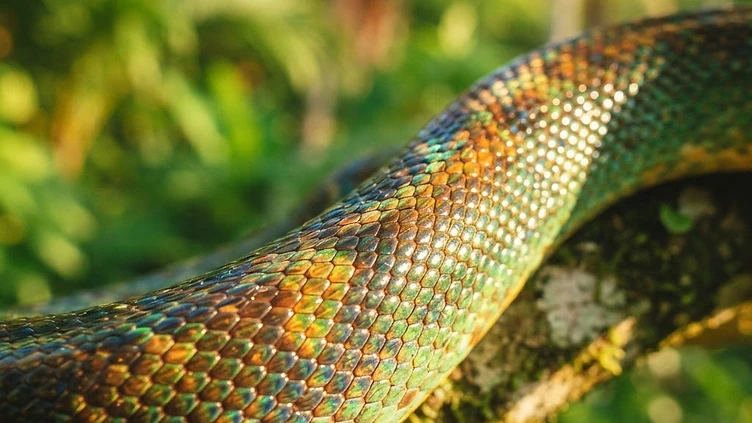
A Pioneering Moment in Chester
At Chester Zoo, located in the beautiful North of England, a remarkable medical milestone has been achieved that is capturing the imagination of scientists and animal lovers alike. In August 2026, a twenty-three-year-old reticulated python named Jodie Foster became the subject of a world-first medical procedure. This impressive creature, who measures fifteen feet or four and a half metres in length, has long been a resident of the zoo, but her life was recently threatened by a serious health diagnosis. A malignant tumor known as a fibrosarcoma was discovered in her jaw, a condition that could have been catastrophic for the beloved snake. Faced with such a challenge, the veterinary team at Chester Zoo embarked on a pioneering course of action that would eventually push the boundaries of reptile medicine. The decision to undertake a bold, innovative treatment plan highlights the exceptional level of care provided at this iconic British institution. By choosing to embrace medical technology often reserved for humans and domestic animals, the team sought to provide Jodie Foster with the best possible chance of recovery. It is a story of determination, expertise, and a profound commitment to the welfare of even the most unique residents of our zoos. This breakthrough success story marks a pivotal shift in how we approach the treatment of cancer in exotic species, setting a precedent that will surely echo far beyond the borders of the North of England.
Understanding the Medical Challenge
To appreciate the magnitude of this achievement, one must understand the gravity of a fibrosarcoma diagnosis in a creature as physically impressive as a reticulated python. When the veterinary team at Chester Zoo identified the malignancy within the python's jaw, they were immediately faced with the difficulty of treating such an inaccessible and sensitive area. Fibrosarcomas are aggressive, and for a twenty-three-year-old snake, the physiological burden of surgery or conventional treatment could be immense. The medical experts needed a solution that was not only effective at targeting the tumor but also one that would respect the unique anatomy and metabolism of a reptile. The team opted for electrochemotherapy, or ECT, a specialized approach that uses electrical pulses to help chemotherapy drugs enter tumor cells more efficiently. While this technique has gained ground in treating human patients and domestic pets, its application in the reptile world had remained uncharted territory. By choosing this route, the zoo veterinarians were not just treating an individual patient; they were conducting a scientific experiment that had the potential to rewrite veterinary textbooks. The preparation for such a procedure required precision, courage, and a deep understanding of the python's health status, ensuring that every step of the process was optimized for her safety.

The Procedure That Made History
In the heart of August 2026, the team performed the procedure using the chemotherapy medication bleomycin. This drug was carefully administered in conjunction with the electrochemotherapy sessions, creating a targeted assault on the fibrosarcoma that had been compromising the python's jaw. The precision required to carry out this world-first treatment cannot be overstated. Every movement had to be calculated to ensure that the electrical pulses were directed exactly where they were needed to maximize the impact of the bleomycin. This level of medical sophistication demonstrates the incredible progress made by zoological veterinary departments in the United Kingdom. For Jodie Foster, the process was undoubtedly a taxing experience, but the medical team remained dedicated to monitoring her response throughout the sessions. The successful application of this technique proved that with enough innovation and care, the traditional barriers to treating cancer in reptiles can be dismantled. As the procedure concluded, the team waited with bated breath to see if the tumor would respond to the therapy, an anxious period for everyone involved. The subsequent reports of tumor regression provided the first glimmer of hope, signaling that this audacious medical gamble was indeed paying off for the massive, fifteen-foot resident of the zoo.
Life Returns to Normal
The most heartening aspect of this entire medical journey is the swift and positive recovery of Jodie Foster following her ordeal. Zoo staff have confirmed that the python has returned to her typical, active behavior, a sign that the treatment has been both effective and well-tolerated. For a long-term resident like Jodie, being able to move and live naturally is the ultimate measure of success for any medical intervention. Seeing her return to her usual routine has brought a sense of relief and pride to the staff at Chester Zoo, whose hard work and innovative thinking made this recovery possible. The regression of the tumor is not just a statistical success but a genuine improvement in the quality of life for an animal that is cherished by the community. Her return to vitality proves that the benefits of modern oncology are not exclusive to mammals or domesticated species. It is a testament to the fact that when we commit to the health of our exotic inhabitants, we can achieve outcomes that were once deemed impossible. Jodie Foster’s active behavior today is the greatest endorsement of the medical team’s decision to pursue electrochemotherapy, demonstrating that even a twenty-three-year-old snake can overcome a malignant threat with the right support.
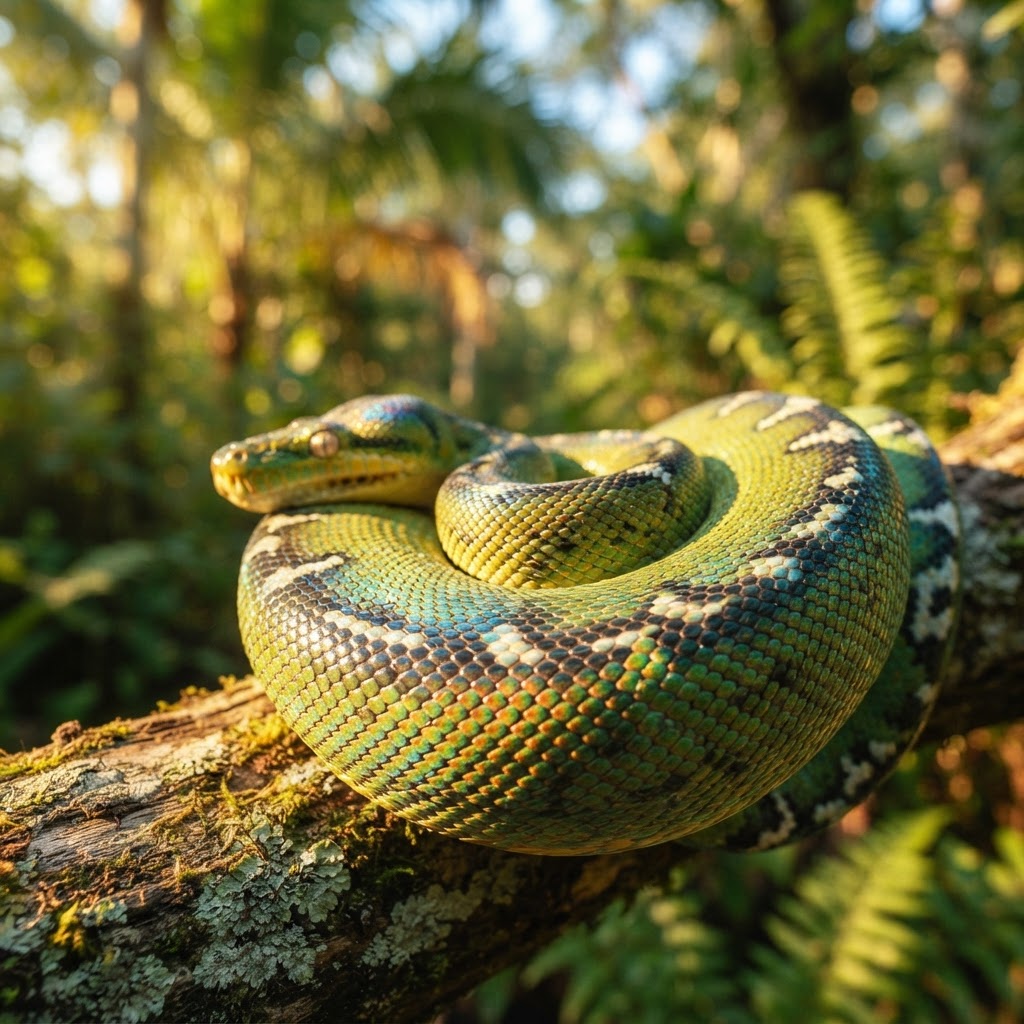
A Legacy for Reptile Medicine
Beyond the personal story of a single snake, this medical milestone has far-reaching implications for the global conservation and veterinary communities. By documenting the use of electrochemotherapy to treat a fibrosarcoma, the team at Chester Zoo has established a new, effective cancer treatment protocol for reptiles everywhere. This is a significant development in the field of exotic animal health, providing a roadmap for other veterinary professionals who may face similar challenges. The successful application of bleomycin through ECT acts as a documented success story that can be shared and replicated, potentially saving countless other animals in zoos, sanctuaries, and rehabilitation centers around the world. It provides a glimmer of hope for species that have historically had very few options when diagnosed with aggressive cancers. The expertise developed in the North of England is now a resource for the world, proving that small teams can make massive contributions to science. This procedure has effectively shifted the goalposts, moving from a point where cancer in reptiles was often a terminal diagnosis to a future where successful, science-led treatments are a reality. The work done at Chester Zoo in August 2026 will undoubtedly serve as a foundation for many future medical successes, solidifying the zoo's role as a leader in international veterinary innovation.
An Optimistic Outlook for the Future
Looking toward the future, the success of this treatment opens up exciting new possibilities for exotic animal medicine. With a proven protocol now in place, the potential for expanding these techniques to other reptile species is vast. The success seen in Jodie Foster shows that we are entering a new era of proactive and sophisticated care, where we no longer have to accept the limitations of traditional veterinary approaches. This is a bright chapter for the residents of Chester Zoo and a beacon of progress for the UK's scientific community. The optimism surrounding this recovery is well-founded, as it demonstrates that innovation, when paired with compassionate care, can overcome even the most daunting of odds. As we move forward, the lessons learned from this 15-foot python will serve as a guide for veterinarians globally, ensuring that other animals can benefit from the same high standard of care. This story is more than just a medical report; it is a celebration of human ingenuity and a reminder of the value we place on the life of every resident in our care. As Jodie Foster continues to thrive, she stands as a living testament to the power of modern medicine and the unwavering dedication of the people who work tirelessly to protect the health of all living things. The future of reptile medicine looks brighter than ever, with this world-first treatment serving as the spark that could light the way for generations to come.
Originally reported by
All rights in the original reporting remain with the publishers below.
Originally reported by Python named Jodie Foster first snake to receive pioneering cancer treatment. Our feature is written independently from verified facts — please support the original reporting:
Read the original storyRelated Wins

 Culture
Local Students Bring Spooky Fun to the Stage
Young performers in Mid Cheshire are preparing to delight audiences this October with a lively production of The Addams Family musical, showcasing the dedication and artistic development of local youth.
North of England · 1 min ago

 Science
NEW PATHWAYS TO DIAGNOSIS: CAMBRIDGE STUDY SHEDS LIGHT ON AUTOIMMUNE HEALTH
A landmark study from the University of Cambridge is paving the way for more accurate medical care by highlighting critical gender disparities in the diagnosis of autoimmune conditions. By identifying how and why these misdiagnoses occur, researchers are providing the evidence needed to ensure patients receive faster, more effective support for their physical health.
London & South · 1 hour ago

 Culture
Traitors star Joe Lycett funds free pints at Knutsford bar to support struggling pubs
Comedian Joe Lycett has stepped in to support the local hospitality industry by funding free drinks for patrons at a Knutsford bar. This generous gesture aims to boost footfall and provide a helping hand to a local business during challenging economic times.
North of England · 6 hours ago
The Sunshine Digest
One bright email each week — verified good news only, unsubscribe in a click.