Wild beaver kits born in Norfolk for first time in more than 500 years
A pair of wild beaver kits have been born in Norfolk, marking the first time the species has successfully bred in the county in over 500 years. The newborns are the offspring of two free-living beavers that naturally established themselves at the Pensthorpe nature reserve near Fakenham.
The story in 20 seconds
20The birth of the kits was confirmed in August 2026 at the Pensthorpe nature reserve.
The parents are a wild pair that arrived at the site independently in December 2025.
This event represents the first recorded wild beaver births in Norfolk in more than five centuries.
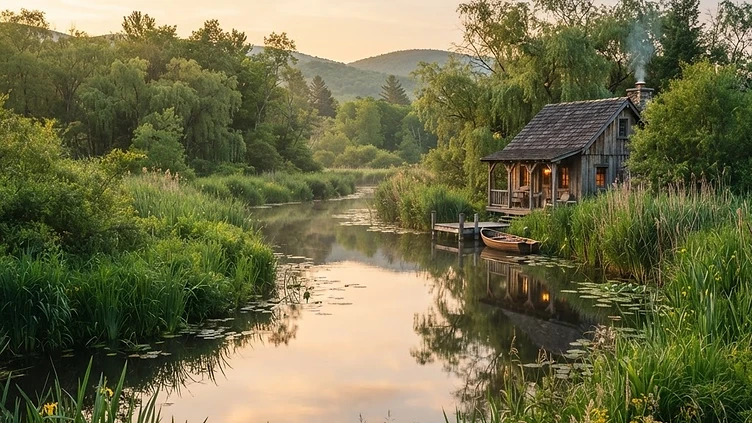
A Remarkable Homecoming in Norfolk
The wild landscapes of have just become the stage for a truly historic event, one that carries the weight of five hundred years of history. In a delightful twist of nature, the nature reserve near Fakenham has welcomed two tiny new residents: a pair of wild beaver kits. These fluffy newcomers, spotted in August 2026, represent the first time this iconic species has successfully bred in the county in more than half a millennium. It is a moment of pure magic for local conservationists and nature lovers alike, serving as a powerful reminder of how resilient our natural world can be when given the space to flourish once again. The arrival of these kits is not merely a heartwarming sight; it is a profound environmental milestone that signals a significant shift in the ecological narrative of the region. For centuries, the beaver was absent from these lands, but the appearance of these kits proves that nature is ready to reclaim its place in the Norfolk countryside if the conditions are right.
The Unlikely Pioneers
The story of these kits begins with a tale of independence and adventure. Their parents are a wild pair of who arrived at the Pensthorpe site entirely of their own accord in 2025. Without any human intervention or reintroduction schemes, these clever creatures found their way to the reserve and decided it was the perfect place to set up a home. They have thrived in the local habitat, settling into the wetland surroundings with ease and confidence. By August 2026, their efforts were rewarded with the birth of two kits, who are currently estimated to be around three months old. Observing these kits as they explore their watery world provides a unique insight into the natural recovery of our local ecosystems. The fact that the parents established themselves naturally makes this success story all the more special, highlighting the instinctive ability of beavers to navigate and adapt to the British landscape after such a long hiatus. It is a testament to the quality of the habitat at Pensthorpe and the quiet determination of a species returning to its ancestral home.
Nature's Own Engineers
Beyond the charm of their tiny, busy presence, beavers are widely celebrated as essential ecosystem engineers. Their return to Norfolk is not just a triumph of wildlife observation; it is a practical boost for the environment. These animals have a unique talent for transforming the landscape in ways that benefit a wide array of other species. By managing wetland areas and naturally shaping the flow of water, they play a crucial role in maintaining the health of the habitat. One of the most important aspects of their presence is their ability to help mitigate local flood risks, a factor that makes them invaluable in an era of changing weather patterns. As they go about their daily work of creating dams and altering water channels, they provide a form of landscape management that is both effective and entirely sustainable. Their presence brings a touch of wildness back to Norfolk, encouraging a more diverse and robust environment. The kits, while still young, are already playing their part in this grand process, growing up in a landscape that their parents have carefully chosen and cultivated.
A Hopeful Future for Wetlands
Looking ahead, the birth of these kits serves as an optimistic beacon for the future of conservation in the United Kingdom. It demonstrates that the return of keystone species is not only possible but can occur naturally when the environment is protected and cherished. After more than five hundred years of absence, seeing the species successfully breed again in Norfolk is a powerful indicator that the tide is turning for our wetlands. Every kit born in the wild is a step toward restoring the complex, interconnected web of life that once defined the British countryside. As these two little ones grow, they will continue to influence their surroundings, carving out a legacy that will echo through the generations to come. The success at Pensthorpe is a rallying cry for the protection of wild spaces, proving that when we step back and allow nature to take the lead, the results can be truly spectacular. This is a story of hope, a story of recovery, and a story that reminds us all of the profound joy that comes from seeing nature thrive in its own rightful place. The future for Norfolk's wetlands has never looked quite so bright, and the sight of these kits marks the beginning of a new chapter in the history of the county.
Originally reported by
All rights in the original reporting remain with the publishers below.
Originally reported by theguardian.com. Our feature is written independently from verified facts — please support the original reporting:
Read the original storyRelated Wins

 Sport
SportCHESS PRODIGIES BREAK BARRIERS IN NATIONAL LEAGUE DEBUT
The 'She Plays to Win' Lionesses have made history by competing in the top division of the Four Nations Chess League, marking the culmination of three consecutive promotions. Despite facing unique regulatory challenges regarding team composition, the squad continues to demonstrate exceptional skill and camaraderie at the highest level of British chess.
London & South · 1 hour ago

 Science
NEW PATHWAYS TO DIAGNOSIS: CAMBRIDGE STUDY SHEDS LIGHT ON AUTOIMMUNE HEALTH
A landmark study from the University of Cambridge is paving the way for more accurate medical care by highlighting critical gender disparities in the diagnosis of autoimmune conditions. By identifying how and why these misdiagnoses occur, researchers are providing the evidence needed to ensure patients receive faster, more effective support for their physical health.
London & South · 1 hour ago

 Environment
A NATURAL REVIVAL FOR BARNES GREEN
A major river restoration project has successfully transformed the Beverley Brook at Barnes Green into a thriving, natural habitat. This initiative has introduced a meandering river channel and a new island, significantly boosting local flood resilience and biodiversity.
London & South · 7 hours ago
The Sunshine Digest
One bright email each week — verified good news only, unsubscribe in a click.