Why a Scottish wedding tradition seen in Outlander is back in fashion with brides and grooms
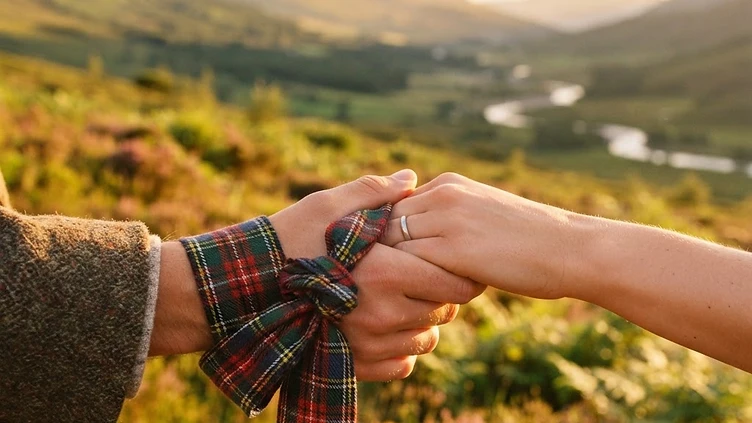
Couples across Scotland are increasingly embracing the historic tradition of handfasting, a symbolic ceremony that has seen a surge in popularity due to its portrayal in popular culture. This meaningful ritual, which involves binding the hands of the couple to represent their union, is being integrated into modern weddings as a way to celebrate heritage and personal commitment.
The story in 20 seconds
20Handfasting is an ancient ritual where a couple’s hands are bound together to symbolize their union.
The practice is widely credited as the origin of the phrase 'tying the knot.'
Popular television series such as Outlander have significantly boosted public interest in the tradition.
A Timeless Vow Returns to Scotland
Across the wild and windswept landscapes of Scotland, a beautiful shift is taking place in the world of matrimony. Couples are turning away from the purely conventional and looking deep into the pages of history to find a way to mark their commitment that feels both ancient and entirely personal. The ritual of , a tradition that was once a cornerstone of medieval and Celtic life, is enjoying a remarkable resurgence. In our era, where so many yearn for a connection to the past, this symbolic act of binding two lives together has captured the imaginations of brides and grooms from the Highlands to the Lowlands. It is a ceremony that feels as enduring as the rugged hills themselves, offering a profound way to celebrate a union that honors both heritage and the promise of a shared future.
From Medieval Origins to Modern Romance
To understand why this ritual has returned, one must look back to the , a time when the roots of Norse and Celtic cultures were woven deeply into the social fabric of the land. Handfasting, which involved the physical binding of a couple's hands to signify their union, was a common sight. Interestingly, this historic practice is widely considered the origin of the very phrase we still use today to describe a wedding: While historical interpretations suggest that the tradition once served as a trial marriage lasting for a year and a day, its modern iteration is entirely focused on the permanent, heartfelt commitment of two people. The resurgence of this practice is not merely a nostalgic nod to the past; it is a living, breathing part of modern culture that brings medieval tradition into the light of the present day.
The Influence of Screen and Story
Much of the newfound public interest in handfasting can be traced to the power of popular culture. As audiences have been swept away by the dramatic and romantic portrayal of historical Scotland in television series such as , many have been inspired to bring those evocative customs into their own lives. This media exposure has provided a window into the beauty of the ritual, helping it transition from a niche historical curiosity to a central element in contemporary ceremonies. When a couple chooses to incorporate handfasting into their wedding, they are participating in a trend that is backed by a growing network of heritage-focused wedding planners and dedicated Scottish celebrants who understand the weight and beauty of the gesture. This wave of popularity demonstrates that stories can bridge the gap between centuries, encouraging us to reclaim meaningful practices that might otherwise have been lost to time.
Personalized Rites in the Open Air
One of the most appealing aspects of handfasting is its incredible flexibility and the deeply personal touch it offers to a wedding day. Because the act of binding hands is not a legal requirement for a marriage to be valid, couples have the freedom to craft a ceremony that feels entirely their own. Many choose to hold these weddings outdoors, embracing a strong association with nature that feels fitting for the ancient roots of the practice. The choice of binding is equally personal; couples might select ribbons in a specific family tartan, pieces of fabric repurposed from a cherished family wedding gown, or even items as unconventional as a dog lead. Each binding is a unique symbol of the joining of two families or clans. Following the ceremony, it has become a common practice for the couple to frame or mount their handfasting knot, creating a permanent, physical memento of the exact moment they committed to one another. This allows the memory of the ritual to endure long after the final dance of the reception has ended.
A Growing Legacy for Couples
As the popularity of the ritual has grown, so too has the infrastructure to support it. The rise of weddings in Scotland has provided a natural home for handfasting, allowing celebrants to facilitate these moving moments with grace and sincerity. This development was bolstered significantly in 2004 when the of Scotland received legal authorization for their celebrants to perform wedding ceremonies. Today, these professionals play a vital role in helping couples navigate the balance between honoring their heritage and defining their own future together. By allowing friends or family members to take an active part in the binding process, the ceremony reinforces the sense of community and shared joy that sits at the heart of any wedding. Looking ahead, the resurgence of handfasting appears set to remain a fixture of the Scottish wedding scene. It provides a rare opportunity to step out of the frantic pace of modern life and acknowledge the weight of a vow in a way that is profoundly human and deeply connected to the land. For couples seeking a ceremony that is grounded in history yet uniquely their own, the act of tying the knot remains a perfect, enduring symbol of love.
Originally reported by
All rights in the original reporting remain with the publishers below.
Originally reported by dailyrecord.co.uk. Our feature is written independently from verified facts — please support the original reporting:
Read the original storyRelated Wins

 Culture
Pupils Transform School Grounds into Spooky Success
Students at a local primary school have successfully raised nearly £1,000 for their institution by organizing a creative and community-focused scarecrow trail. The event brought families together to enjoy imaginative displays while providing a significant financial boost for the school's resources.
North of England · 33 mins ago

 Health
Glasgow Celebrates Vibrant Gaelic Heritage as Royal National Mòd Concludes
The Royal National Mòd, Scotland’s premier celebration of Gaelic language, music, and culture, has successfully concluded its nine-day residency in Glasgow. The festival brought together thousands of participants to honour the city’s status as a major stronghold for the Gaelic language and its thriving community of learners.
Scotland · 7 hours ago

 Environment
A CELEBRATION OF GAELIC HERITAGE RETURNS TO GLASGOW
The Royal National Mòd has made a triumphant return to Glasgow, transforming the city into a vibrant hub of Gaelic language, music, and community spirit. This nine-day festival has drawn thousands of visitors and a record-breaking number of competitors to celebrate Scotland's rich cultural traditions.
Scotland · 7 hours ago
The Sunshine Digest
One bright email each week — verified good news only, unsubscribe in a click.