Whey to go! Could the cheese byproduct heat our homes and fuel our cars?
Innovative researchers are turning the UK’s surplus cheese byproduct into a sustainable source of renewable energy, offering a circular solution for the 95,000 tonnes of salty whey produced by British cheesemakers annually.
A Golden Opportunity for British Energy
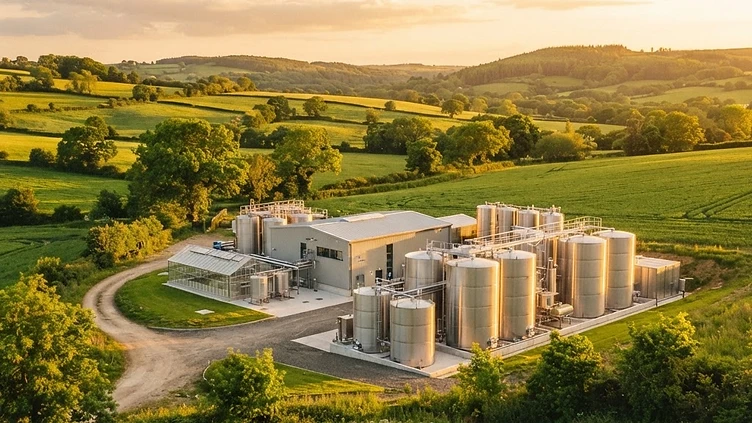
As we look towards August 2026, a remarkable transformation is taking place within the heart of the United Kingdom, specifically across the rolling landscapes of the Midlands. For years, our cherished cheesemakers have faced a curious dilemma: what to do with the enormous quantities of salty whey left over after the curdling process. This amber-hued byproduct, often viewed as an industrial burden, is now being hailed as a potential goldmine for renewable power. By shifting our perspective on waste, and local artisans are joining forces to turn a dairy leftover into a beacon of sustainable innovation. It is an inspiring example of how ingenuity can find value in the most unexpected places, turning what was once discarded into a cornerstone of our future energy grid.
Harnessing the Power of Whey
The process at the core of this environmental breakthrough is known as anaerobic digestion. By subjecting the 95,000 tonnes of surplus whey generated by British cheesemakers each year to this sophisticated biological treatment, scientists have unlocked a method to capture biogas. This is not merely an experiment in a laboratory; it is a practical, scalable solution designed to address the sheer volume of material currently entering the waste stream. By breaking down the byproduct in a controlled environment, these can effectively harvest the stored energy hidden within the salty liquid. Once captured, this gas serves as a versatile resource, capable of being transformed into thermal power to warm our homes or even refined to act as a fuel source. It represents a significant technological stride in our ongoing quest to diversify the national energy supply.
Building a Circular Future
The broader implications for the United Kingdom are profound, as this initiative champions the principles of a circular economy. Rather than allowing industrial output to simply disappear or create an environmental strain, this method ensures that every part of the cheesemaking cycle contributes back to the community. By integrating these anaerobic digestion facilities, the food industry is effectively closing the loop on its own waste. The impact is tangible, with projections indicating that a single facility can generate enough energy to provide heating for hundreds of homes annually. It is a heartening shift, demonstrating that our commitment to green technology can work in harmony with our historic industries. This transition to a circular model does more than just lower our reliance on traditional power sources; it reduces the overall environmental impact of food production, ensuring that our favourite dairy products are produced with the planet in mind.
A Brighter Horizon Ahead
As we move closer to the implementation of these processes in late 2026, the mood in the Midlands and beyond is one of quiet optimism. This is about more than just numbers on a balance sheet; it is about reclaiming the potential of what we once called waste and re-purposing it for the public good. When we think of the future, we often imagine sleek wind turbines or expansive solar farms, yet the solution to our energy needs may well be found within the vats of our local dairies. This movement signifies a shift in how we approach resource management, proving that a sustainable future is well within our reach. By turning whey into power, we are not only supporting the British cheesemaking industry but also fortifying our domestic energy security. It is a story of collaboration, innovation, and a shared vision for a cleaner, more resilient United Kingdom. As these projects begin to take root, they serve as a powerful reminder that when we apply creative thinking to our industrial challenges, the results can be truly transformative for the entire nation. The journey towards a greener UK is complex, yet this development highlights how every sector—including the dairy industry—has a vital role to play in building a sustainable legacy for generations to come.
Originally reported by
All rights in the original reporting remain with the publishers below.
Originally reported by theguardian.com. Our feature is written independently from verified facts — please support the original reporting:
Read the original storyRelated Wins

 Tech
TechNEW SUPERMARKET GREEN-LIT FOR WARWICKSHIRE
A new Lidl supermarket has been granted planning permission in Warwick, marking a significant step forward for local retail infrastructure. The development will transform a vacant industrial site into a modern shopping facility, bringing new investment and convenience to the community.
Midlands · 1 hour ago

 Environment
A NATURAL REVIVAL FOR BARNES GREEN
A major river restoration project has successfully transformed the Beverley Brook at Barnes Green into a thriving, natural habitat. This initiative has introduced a meandering river channel and a new island, significantly boosting local flood resilience and biodiversity.
London & South · 7 hours ago

 Culture
Birmingham’s Fierce Festival Returns with Bold Artistic Vision
Birmingham’s long-running live art festival has returned to the city, transforming unconventional spaces into vibrant stages for experimental performance. The event showcases a diverse range of creative works, including immersive installations and unique site-specific productions that challenge traditional theatre boundaries.
Midlands · 13 hours ago
The Sunshine Digest
One bright email each week — verified good news only, unsubscribe in a click.