UK Snack Revolution: Iconic Treats Get Healthier as Manufacturers Slash Saturated Fat
Major British food brands are successfully re-engineering classic snacks to meet stricter health standards, significantly reducing harmful ingredients without compromising taste. This nationwide shift in food production is removing thousands of tonnes of saturated fat and salt from the public's diet through a process known as reformulation.
The story in 20 seconds
20Ritz crackers sold in the UK now contain 80% less saturated fat than previous versions of the product.
The UK government's 2025 and 2026 health regulations have accelerated the "reformulation" of popular snacks.
Nestlé has removed approximately 3,800 tonnes of saturated fat from over one billion Kit Kat bars annually.
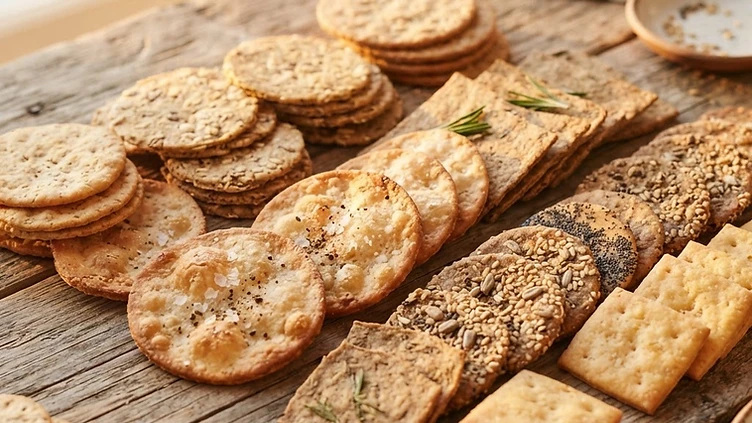
A Healthier British Snack Revolution
Walk into any kitchen cupboard across the United Kingdom today, and you might notice something subtle yet profoundly significant about the snacks lining your pantry shelves. A quiet transformation is sweeping through the nation, led by major food manufacturers and retailers in close coordination with government. This isn't about changing our favourite flavours, but rather a sophisticated process of designed to make our daily snacking habits significantly healthier. By meticulously tweaking the recipes of beloved household names, the industry is successfully carving out a future where the classic treats we enjoy come with a much smaller burden of saturated fat, sugar, and salt.
Health by Stealth in Action
This nationwide shift has been described as a strategy of health by stealth. The genius behind this approach lies in its ability to improve public health outcomes without demanding that consumers change their lifestyles. Whether you are grabbing a quick biscuit with your afternoon tea or packing a treat in a school lunchbox, the nutritional profile of these items is quietly improving behind the scenes. Between 2025 and 2026, the industry has seen a massive surge in this re-engineering process, driven by updated government health regulations that are pushing for a leaner, healthier food supply.
The scale of this change is truly impressive. Consider the iconic Ritz cracker, a staple in many British homes, which now boasts an 80% reduction in saturated fat compared to its previous iteration. Similarly, the giant Nestlé has made a monumental impact by removing approximately 3,800 tonnes of saturated fat from over one billion bars produced annually. Even supermarket own-brand products are feeling the change, with alone eliminating 32 tonnes of saturated fat from their range. Other industry leaders, including the makers of and various digestive biscuits, are currently hard at work in their kitchens, re-engineering their recipes to meet these evolving health standards.
Saving Lives Through Better Ingredients
Why does this technical work matter so much to the average person? The answer lies in the stark reality of our national health statistics. heart disease remains a leading concern, responsible for one in six male deaths and one in nine female deaths throughout the UK. By reducing the nation's saturated fat intake by just 15%, experts estimate we could prevent approximately 2,600 premature deaths every single year. Furthermore, the push to eliminate industrial trans-fatty acids from processed foods could save between 1,700 and 7,200 additional lives.
Beyond individual health, the economic argument for this transition is compelling. The NHS currently spends an estimated £7 billion every year managing health issues, with an additional £2.1 billion annually dedicated to treating high blood pressure and its related complications. Historical data supports this path, as salt reduction program, which began back in 2006, is clearly linked to a measurable decrease in blood pressure across the general population. This long-term commitment to improving the nutrient content of the food we buy is a vital step in easing the pressure on our healthcare system.
Looking Toward a Nourishing Future
As we look ahead, the momentum for healthier food production shows no signs of slowing down. New guidelines arriving in 2026 suggest even tighter scrutiny, potentially requiring products like high-fibre bran flakes to reduce sugar content to maintain a healthy classification. This proactive stance is even extending to our youngest citizens, with significant progress reported in August 2026 regarding the reduction of sugar and the increase of vegetable content in baby foods. It is a holistic approach, ensuring that from infancy through adulthood, our food environment is moving in a positive, healthier direction.
This shift is also becoming more visible on our streets. Recent figures show a 28% increase in outdoor advertising for food products, as brands eagerly pivot to promote these healthier, reformulated options to the public. It is an encouraging sign that companies are not just making their food better, but are also proud to shout about it. The success of this initiative is proof that we can enjoy the iconic flavours we have grown up with, while simultaneously building a more resilient, healthier future for the entire United Kingdom. Through simple, clever adjustments, the nation is turning the tide, proving that small changes in the way our food is made can lead to enormous benefits for everyone.
Originally reported by
All rights in the original reporting remain with the publishers below.
Originally reported by Remaking the biscuit: from Doritos to digestives, why the UK’s snacks are being ‘reformulated’. Our feature is written independently from verified facts — please support the original reporting:
Read the original storyRelated Wins

 Health
South London Care Home Achieves Top-Tier Health Rating
A residential care facility in South London has been officially recognised for its exceptional standards, with inspectors noting significant improvements in resident wellbeing. The home has successfully transitioned to an outstanding status following a rigorous assessment of its care quality and health outcomes.
London & South · 7 hours ago

 Sport
SportGB take command of Ecuador Davis Cup tie on Arthur Fery’s London return
Great Britain’s tennis team has taken a dominant 2-0 lead against Ecuador on the opening day of their Davis Cup qualifier at the Copper Box Arena. The successful start was anchored by a triumphant return to London for Wimbledon semi-finalist Arthur Fery, putting the team in a strong position to qualify for the Final 8.
London & South · 7 hours ago

 Health
A HEALTHIER FUTURE: GOVERNMENT OVERHAULS SCHOOL MEALS NATIONWIDE
Millions of children across England are set to benefit from the most significant transformation of school food standards in a generation, ensuring pupils receive fresh, balanced, and nutritious meals. This landmark policy update, supported by long-time campaigner Jamie Oliver and Dame Emma Thompson, aims to boost student concentration and long-term health by replacing processed options with fibre-rich, wholesome ingredients.
North of England · 13 hours ago
The Sunshine Digest
One bright email each week — verified good news only, unsubscribe in a click.