UK Circular Economy Milestone: Record Food Waste Diversion Saves Millions of Meals
Surplus food redistribution across the UK has reached a historic peak, preventing thousands of tonnes of emissions while supporting local communities.
The story in 20 seconds
20FareShare is the primary driver behind this national milestone.
The network operates 34 regional sub-hubs across the United Kingdom.
In the 2025-2026 reporting period, 55,000 tonnes of food were diverted from waste.
A New Era For Responsible Consumption In The UK
A quiet revolution is reshaping how the approaches the intersection of stewardship and social welfare. Across every corner of the nation, from the bustling streets of England to the rugged landscapes of Scotland, Wales, and Northern Ireland, a remarkable shift in resource management has reached a historic peak. During the 2025-2026 reporting period, the country celebrated a milestone in its circular economy goals, effectively transforming what was once destined for disposal into a lifeline for those experiencing food insecurity. By rethinking the flow of surplus goods, the UK has demonstrated that systemic change is not only possible but increasingly efficient, turning the tide on food waste through a unified, nationwide effort.
At the heart of this transformation lies a collaborative endeavor spearheaded by FareShare, the UK’s largest food redistribution charity. Working hand-in-hand with major retailers, this network has successfully diverted an unprecedented 55,000 tonnes of surplus food from waste streams. This is not merely a logistical achievement; it is a profound testament to the power of supply chain innovation. By intercepting perfectly good food before it reaches a point of unnecessary disposal, FareShare and its retail partners have turned a potential environmental burden into a powerful tool for social good. This initiative proves that with the right infrastructure, the path from surplus to sustenance can be clear, reliable, and profoundly impactful.
Powering Communities Through A National Network
The scale of this operation is staggering. The redistribution process is facilitated by a robust backbone of 34 regional sub-hubs scattered across the United Kingdom. This physical presence ensures that food flows effectively into local areas, where it is most urgently needed. More than 8,000 frontline charities and community groups act as the vital recipients of these deliveries, ensuring that the surplus items are transformed into 130 million individual meals. This support network is deeply integrated into the fabric of the country, with regional specificities highlighting its reach; for instance, the hubs serving Scotland alone provide essential resources to over 600 local charities.
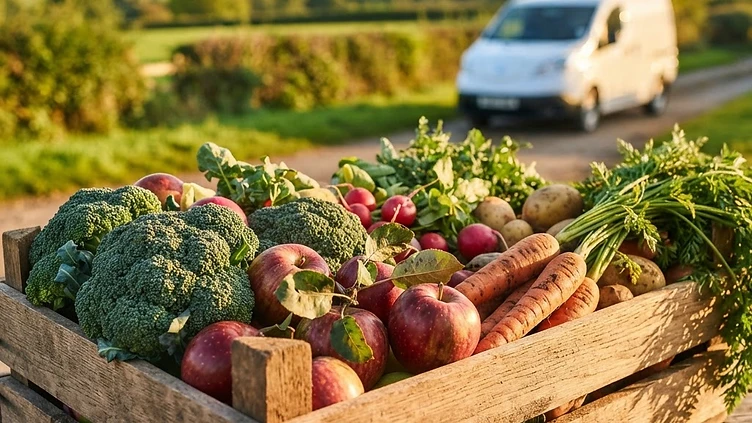
The diversity of the food being redistributed is equally significant. produce, which is often the most perishable and difficult category to manage, accounts for nearly 25 percent of the total volume moved by the network. This focus on fresh, nutritious ingredients ensures that those accessing support through the 8,000 community partners receive high-quality items rather than just shelf-stable goods. By maintaining such a high standard of quality, the program upholds the dignity of those it serves while simultaneously reinforcing the importance of fresh, sustainable diets within the circular economy.
The Dual Benefit Of Environmental Stewardship
Beyond the immediate social return on investment, the environmental ramifications of this record-breaking year are profound. Diverting 55,000 tonnes of food away from waste streams is not a trivial reduction; it is a calculated blow against the carbon footprint of the nation’s food system. The initiative is estimated to save the equivalent of 100,000 tonnes of CO2 emissions annually. By preventing the decomposition of food in conditions that would otherwise generate harmful methane, the program serves as a critical frontline defense in the broader fight against climate change. Each meal provided represents not only a satisfied need but also a measurable decrease in the environmental burden traditionally associated with food waste.
This work is firmly grounded in global standards, specifically aligning with 12.3, which seeks to halve per capita food waste at the retail and consumer levels. By anchoring its operations to such a globally recognized framework, the partnership between FareShare and UK retailers provides a blueprint for how nations can tackle systemic inefficiencies. This is a model of sustainability that recognizes the connection between environmental health and societal resilience. The success seen in 2025-2026 suggests that when stakeholders across the board commit to a shared vision of circularity, the environmental and social gains are mutually reinforcing.
Looking Toward A Sustainable Future
As we reflect on the data from the 2025-2026 period, the trajectory for the United Kingdom appears increasingly optimistic. The achievement of diverting such significant volumes of surplus food serves as a clear indicator of what can be accomplished through persistent collaboration and dedicated infrastructure. With 34 regional hubs fully operational and a network of 8,000 charities standing ready to distribute resources, the framework is not only established but ready to scale further. The lessons learned during this period provide a foundation for future growth and deeper engagement with the circular economy.
The impact of these efforts will be felt long after the final bags of produce are delivered. For the many communities supported by this initiative, the reliability of the supply chain offers a measure of stability in challenging times. Meanwhile, for the retailers and the environment, the reduction in waste represents a move toward a more rational, thoughtful system of consumption. The UK’s commitment to this cause is transforming the narrative around food, proving that surplus is not a byproduct to be discarded, but a vital resource to be cherished. As this model matures, the potential to further reduce methane emissions and support local communities continues to grow, setting a bright and hopeful standard for the years to come.
Originally reported by
All rights in the original reporting remain with the publishers below.
Originally reported by What went right this week: the good news that matters. Our feature is written independently from verified facts — please support the original reporting:
Read the original storyRelated Wins

 Sport
SportCHESS PRODIGIES BREAK BARRIERS IN NATIONAL LEAGUE DEBUT
The 'She Plays to Win' Lionesses have made history by competing in the top division of the Four Nations Chess League, marking the culmination of three consecutive promotions. Despite facing unique regulatory challenges regarding team composition, the squad continues to demonstrate exceptional skill and camaraderie at the highest level of British chess.
London & South · 1 hour ago

 Science
NEW PATHWAYS TO DIAGNOSIS: CAMBRIDGE STUDY SHEDS LIGHT ON AUTOIMMUNE HEALTH
A landmark study from the University of Cambridge is paving the way for more accurate medical care by highlighting critical gender disparities in the diagnosis of autoimmune conditions. By identifying how and why these misdiagnoses occur, researchers are providing the evidence needed to ensure patients receive faster, more effective support for their physical health.
London & South · 1 hour ago

 Environment
A NATURAL REVIVAL FOR BARNES GREEN
A major river restoration project has successfully transformed the Beverley Brook at Barnes Green into a thriving, natural habitat. This initiative has introduced a meandering river channel and a new island, significantly boosting local flood resilience and biodiversity.
London & South · 7 hours ago
The Sunshine Digest
One bright email each week — verified good news only, unsubscribe in a click.