The Nutrient Revolution: UK Study Finds Regenerative Farming Boosts Vitamins by Over Two Thousand Percent
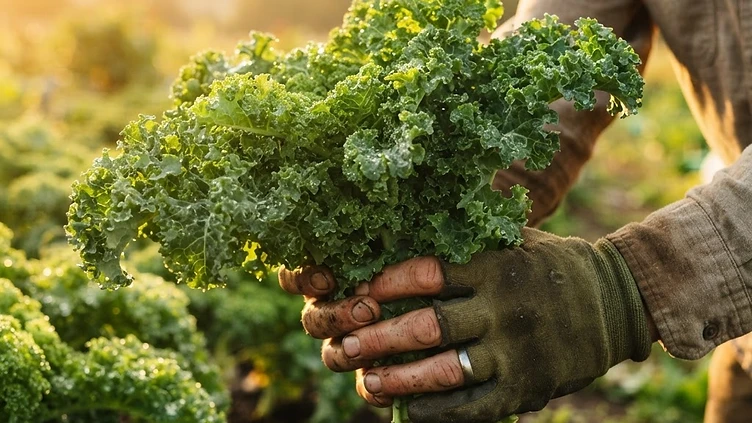
A landmark investigation by the University of Lincoln has revealed that environmentally conscious farming techniques can dramatically increase the mineral content of staple vegetables. Researchers discovered that regenerative methods, which prioritize soil health, produced kale with 22 times more iron than varieties grown using conventional intensive practices.
The story in 20 seconds
20Scientific research at the University of Lincoln has identified a direct link between soil management and the nutritional quality of produce.
The study found that iron levels in kale can be up to 22 times higher when grown using regenerative agricultural methods.
Regenerative crops also showed significantly elevated levels of selenium, a vital antioxidant for the human immune system.
A New Dawn for British Soil
In a landmark breakthrough emerging from the University of Lincoln this July 2026, the future of our dinner plates is looking brighter and more resilient than ever before. For decades, the story of modern agriculture has been one of quiet decline. While supermarket shelves remain full, the hidden nutritional backbone of our staple foods has been steadily eroding. We have watched as the mineral content of wheat dropped by up to 30 percent since the 1960s, while the A levels in bananas plunged by 57 percent in recent decades. Even the humble lemon, a staple of our kitchens, saw its Vitamin C content fall by one-third over a twenty-two-year period. However, a team of dedicated researchers led by has now provided the evidence needed to turn the tide. By looking beneath our feet, these scientists have confirmed that the secret to revitalizing our health lies not in a laboratory, but in the complex, living web of our own soil.
The Power of Regenerative Growth
At the heart of this research is a powerful shift away from intensive farming, which has long relied on synthetic chemicals and deep ploughing. These methods often inadvertently destroy the delicate underground fungal networks known as mycorrhizae. These networks are nature’s own distribution system, acting as a bridge that allows plants to effectively draw vital minerals and s from the earth. When we treat the soil as a living ecosystem rather than a medium for chemical intervention, the results are nothing short of extraordinary. The study compared produce grown with practices—which prioritise organic matter, diverse crop rotation, the use of cover crops, and the integration of grazing animals—against standard commercial samples. The findings were staggering. Specifically, the researchers discovered that kale grown under these environmentally conscious methods contained 22 times more iron than varieties grown using intensive, conventional techniques. Furthermore, these regenerative crops displayed significantly elevated levels of selenium, a nutrient that is absolutely vital for supporting a healthy human immune system.
A Roadmap for National Health
This breakthrough is not merely a scientific curiosity; it represents a fundamental roadmap for improving public health across the United Kingdom. Francesca Brkic and her team set out with a clear, ambitious aim: to determine whether the restoration of soil biodiversity could translate into measurable health benefits for every household in the country. The answer is a resounding yes. By focusing on the health of our soil, we can effectively reverse years of nutritional degradation, transforming our staple vegetables into powerhouses of essential vitamins and minerals. The significance of this discovery has not gone unnoticed at the highest levels of governance. Within government’s 2026 food security strategy, sustainable farming is now officially identified as a core pillar of our national health and long-term resilience. This policy shift is backed by substantial financial commitment, with funding for Environmental Land Management schemes set to rise to two billion pounds annually by 2029. This level of support signals a profound change in how we value our land and, by extension, how we value the nutrition we provide to our families.
Cultivating an Optimistic Future
As we look ahead, the implications for the Midlands and the wider United Kingdom are deeply encouraging. We are moving toward a farming model that respects the earth, protects our soil ecosystems, and restores the nutrient density that our diets have been missing for so long. This is a story of reconnection. By protecting mycorrhizal networks and moving away from synthetic pesticides and herbicides, we are ensuring that the land can once again perform its natural duty of nourishing the population. The work conducted by the University of Lincoln serves as a beacon of hope, proving that environmental stewardship and human health are inextricably linked. We are standing at the threshold of a revolution in how we grow, harvest, and understand our food. As these high-nutrition farming models become more widely adopted, we can look forward to a future where the quality of our produce matches the passion of our producers. This is more than just agricultural progress; it is a vital step toward a healthier, more vibrant Britain, rooted firmly in the restored vitality of our own precious soil.
Originally reported by
All rights in the original reporting remain with the publishers below.
Originally reported by Nutrients in our food are declining. Can regenerative agriculture save it?. Our feature is written independently from verified facts — please support the original reporting:
Read the original storyRelated Wins

 Science
NEW PATHWAYS TO DIAGNOSIS: CAMBRIDGE STUDY SHEDS LIGHT ON AUTOIMMUNE HEALTH
A landmark study from the University of Cambridge is paving the way for more accurate medical care by highlighting critical gender disparities in the diagnosis of autoimmune conditions. By identifying how and why these misdiagnoses occur, researchers are providing the evidence needed to ensure patients receive faster, more effective support for their physical health.
London & South · 2 hours ago

 Tech
TechNEW SUPERMARKET GREEN-LIT FOR WARWICKSHIRE
A new Lidl supermarket has been granted planning permission in Warwick, marking a significant step forward for local retail infrastructure. The development will transform a vacant industrial site into a modern shopping facility, bringing new investment and convenience to the community.
Midlands · 2 hours ago

 Culture
Birmingham’s Fierce Festival Returns with Bold Artistic Vision
Birmingham’s long-running live art festival has returned to the city, transforming unconventional spaces into vibrant stages for experimental performance. The event showcases a diverse range of creative works, including immersive installations and unique site-specific productions that challenge traditional theatre boundaries.
Midlands · 14 hours ago
The Sunshine Digest
One bright email each week — verified good news only, unsubscribe in a click.