The Garden’s Secret Hero: Woodlouse Named 2026 Invertebrate of the Year for Ecological Superpowers
The common woodlouse has been officially recognized as the UK's Invertebrate of the Year, highlighting its extraordinary ability to clean soil and support local ecosystems. These resilient crustaceans are being celebrated for their unique biological traits, including the capacity to neutralize heavy metal pollution in British gardens.
The story in 20 seconds
20The woodlouse is a terrestrial crustacean, not an insect.
There are approximately 35 to 40 native woodlouse species in the UK.
Woodlice act as detritivores, breaking down organic waste into fertile soil.

A Humble Hero Takes Center Stage
Across the vibrant landscapes of the United Kingdom, particularly within the quiet corners of our Midlands gardens, a quiet revolution is taking place beneath the damp leaves and stones. While many of us have spent decades dismissing the humble woodlouse as a mere garden nuisance or a sign of an unkempt patio, the scientific community and nature enthusiasts have finally decided it is time to set the record straight. For the year 2026, the common woodlouse has been officially crowned Invertebrate of the Year, a title that acknowledges its status as a vital environmental guardian and an ecological powerhouse hidden in plain sight. This recognition marks a significant turning point in how we perceive the tiny architects of our soil, reframing a creature that has been around for eons as a sophisticated cleaning agent for our local environments.
More Than A Simple Insect
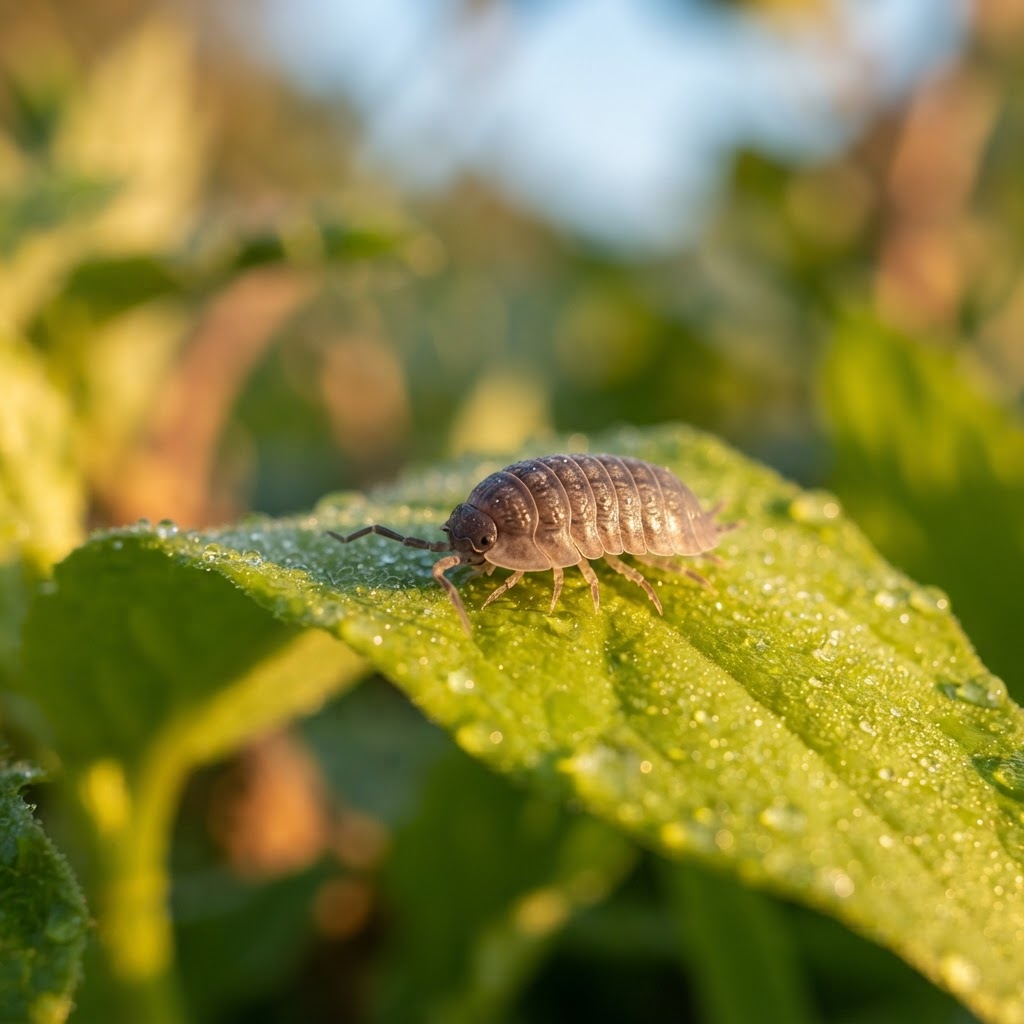
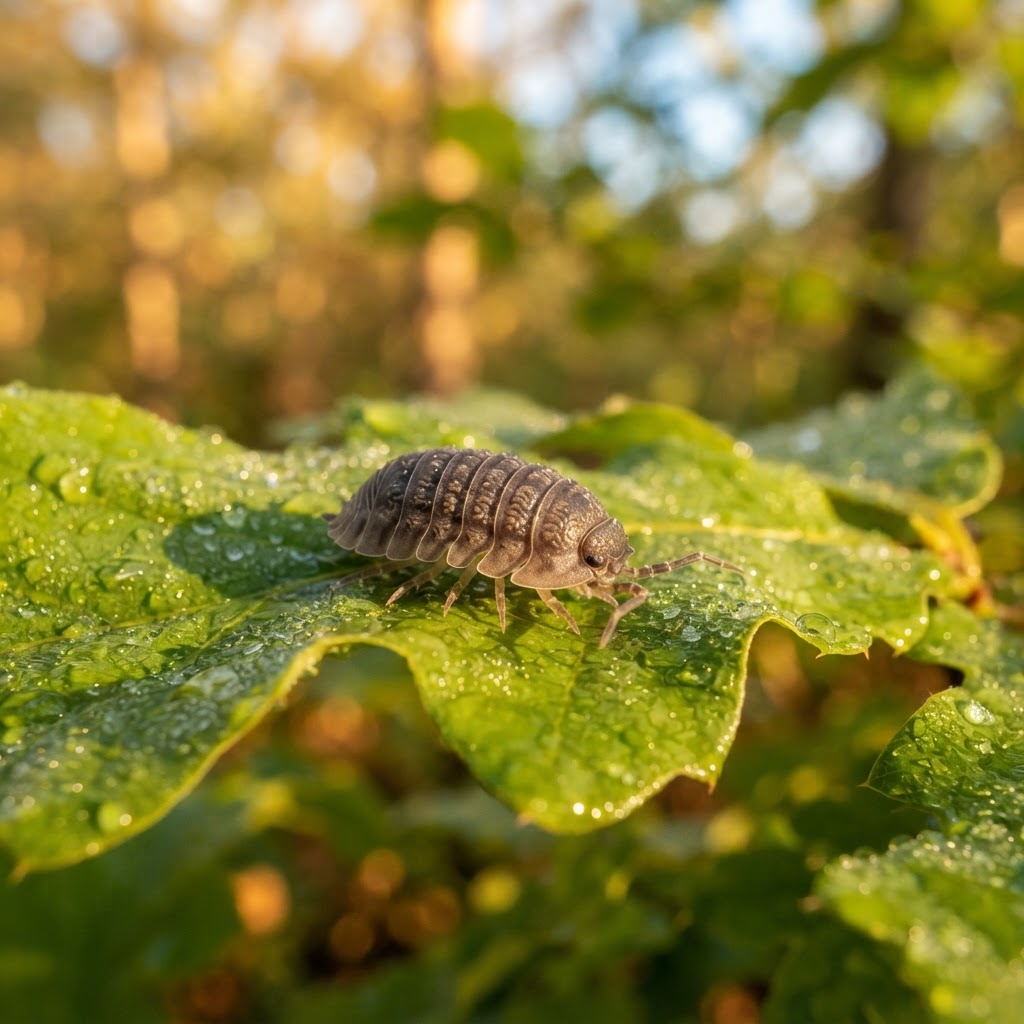
To truly appreciate the woodlouse, one must first correct a common misconception. Despite their presence amongst the bugs and beetles of our floral borders, are not insects at all. They are actually terrestrial crustaceans, bearing a closer evolutionary relationship to crabs and lobsters than to the ants and spiders they share their territory with. This distinction is crucial to understanding their unique biological design. Throughout the United Kingdom, we are home to approximately 35 to 40 native species, each playing a subtle part in the complex machinery of our garden ecosystems. Their biology is a marvel of adaptation, featuring specialized breathing structures known as pleopodal lungs that allow them to thrive in the damp terrestrial world despite their aquatic ancestry. By moving beyond the label of pest, we begin to see a resilient survivor that has mastered life on land while maintaining the biological heritage of its prehistoric cousins.
The Secret Life Of Detritivores
At the heart of the woodlouse’s prestige is its relentless work ethic as a detritivore. In the natural order of a healthy garden, someone has to handle the breakdown of organic waste, and woodlice are the primary technicians for this task. They spend their days consuming decaying plant matter, turning the refuse of the garden into rich, fertile soil that sustains our flowers, shrubs, and vegetables. Without this constant process of nutrient recycling, our gardens would quickly become stagnant and less capable of supporting life. By breaking down the leftovers of the natural world, these small crustaceans ensure that the cycle of growth and decay continues unabated. They are the invisible gardeners, working beneath the surface to provide the raw materials that allow our landscapes to bloom in the spring and thrive throughout the summer months.
Masters Of Soil Detoxification
Perhaps the most remarkable attribute that led to their appointment as Invertebrate of the Year is their uncanny ability to neutralize pollution. In an era where we are increasingly concerned about the quality of our soil, the woodlouse emerges as a surprising hero in the fight for environmental health. Research has shown that these small creatures possess the capacity to process and neutralize heavy metals, including lead, zinc, and cadmium. In regions like the Midlands, where industrial history has sometimes left traces in the earth, the woodlouse acts as a natural decontamination agent. They do not merely store these substances; they manage them in a way that helps mitigate the impact of heavy metal pollution on our gardens. This biological superpower allows them to scrub the earth, making it safer for the plants that grow above them and the wider ecosystem that depends on clean, healthy soil.
A Unique Biological Engineering Feat
How does a creature so small manage such complex chemical feats? The answer lies in their highly specialized anatomy. Beyond their pleopodal lungs, woodlice have developed unique ways of handling the byproducts of their diet. They release waste in the form of ammonia gas through pores in their exoskeleton, an evolutionary adaptation that keeps their immediate environment balanced. This process is part of a larger, intricate system that allows them to interact with their surroundings in ways we are only beginning to fully appreciate. When we look closer at how they manage these toxic elements, we are not just seeing a simple scavenger, but a sophisticated piece of biological engineering. Their ability to exist in environments that might be hostile to other organisms demonstrates a level of resilience that is both fascinating and highly beneficial to the UK landscape.
Celebrating The Midlands Garden Guardian
In the Midlands and across the entire nation, the reaction to this announcement has been one of quiet celebration. Nature enthusiasts are encouraging gardeners to look twice at the creatures they uncover when moving a planter or clearing a garden bed. This is not just a scientific designation; it is a call to change our perspective. By reframing the woodlouse as a guardian rather than an intruder, we foster a more symbiotic relationship with our outdoor spaces. The 2026 Invertebrate of the Year designation serves as a reminder that the smallest inhabitants of our world often do the most significant work. When we protect the woodlouse, we are protecting the soil quality of our own backyards and ensuring that our local environments remain robust and healthy for years to come.
Looking Ahead To A Cleaner Future
As we look forward to the remainder of 2026 and beyond, the focus on the woodlouse will likely influence how we manage our gardening practices. Awareness of their role as nutrient recyclers and soil cleaners provides a powerful incentive to provide them with the habitat they need to flourish. Simple actions, such as leaving piles of decaying wood or organic matter in out-of-the-way corners of the garden, can make a world of difference for these terrestrial crustaceans. This new appreciation for the woodlouse highlights a broader trend toward valuing the unseen components of our environment. The future of our gardens is inextricably linked to the health of the creatures beneath our feet. By championing the woodlouse today, we are investing in the long-term vitality of the British landscape, proving once again that even the most modest of creatures can have a massive impact on the world around us.
Originally reported by
All rights in the original reporting remain with the publishers below.
Originally reported by ‘They are such neat, busy little folk’: the unexpected superpowers of the common woodlouse. Our feature is written independently from verified facts — please support the original reporting:
Read the original storyRelated Wins

 Science
NEW PATHWAYS TO DIAGNOSIS: CAMBRIDGE STUDY SHEDS LIGHT ON AUTOIMMUNE HEALTH
A landmark study from the University of Cambridge is paving the way for more accurate medical care by highlighting critical gender disparities in the diagnosis of autoimmune conditions. By identifying how and why these misdiagnoses occur, researchers are providing the evidence needed to ensure patients receive faster, more effective support for their physical health.
London & South · 2 hours ago

 Tech
TechNEW SUPERMARKET GREEN-LIT FOR WARWICKSHIRE
A new Lidl supermarket has been granted planning permission in Warwick, marking a significant step forward for local retail infrastructure. The development will transform a vacant industrial site into a modern shopping facility, bringing new investment and convenience to the community.
Midlands · 2 hours ago

 Culture
Birmingham’s Fierce Festival Returns with Bold Artistic Vision
Birmingham’s long-running live art festival has returned to the city, transforming unconventional spaces into vibrant stages for experimental performance. The event showcases a diverse range of creative works, including immersive installations and unique site-specific productions that challenge traditional theatre boundaries.
Midlands · 14 hours ago
The Sunshine Digest
One bright email each week — verified good news only, unsubscribe in a click.