Subterranean Rainbow: Industrial Relic in Cumbria Transformed by Rare Mineral Formations
An abandoned lead mine in the North of England has become a site of extraordinary natural beauty, showcasing vibrant mineral "paintings" and rare geological structures. These subterranean displays highlight how nature reclaims and beautifies former industrial landscapes over time.
The story in 20 seconds
20The Tynebottom Mine was formerly used for lead and zinc extraction.
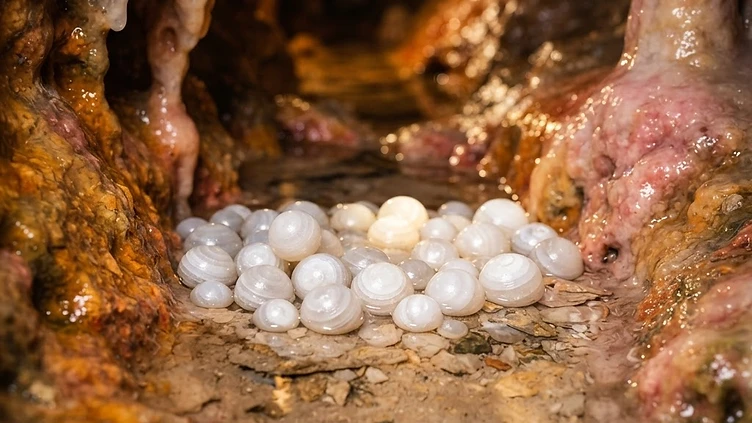
The site now features 'cave pearls' (pisoliths) made of calcium carbonate.
Mineral oxidation creates vibrant colors including orange, raspberry-pink, and yellow.
Nature's Silent Revival In The Pennines
High above the rolling hills of the North Pennines, nestled near the small village of Garrigill on Alston Moor, a remarkable transformation is underway. What was once a gritty site of human toil and industrial extraction has quietly evolved into a spectacle of subterranean artistry. In August 2026, the spotlight turned to , an abandoned relic of the North of England's industrial past that is now being hailed as a hidden masterpiece of natural reclamation. This isn't a story of preservation through museum displays or curated tours, but rather a testament to the persistent, slow-moving power of the earth itself to reclaim and reinvent landscapes once dominated by the heavy machinery of the past.
For those who know where to look, the cavernous depths of the mine are no longer just dusty scars on the landscape. Instead, they have become a canvas. Nature has begun to decorate the damp walls of the former lead and zinc extraction site with an extraordinary palette of -rich shades. It is a striking reminder that even in places where humanity has dug deep and left a mark, the natural world holds a quiet, stubborn capacity for renewal.
A Subterranean Masterpiece Of Color
The visuals currently being reported by geologists and nature enthusiasts are nothing short of breathtaking. The industrial history of the site, once synonymous with the rigorous operations of the during the 18th and 19th centuries, has been replaced by a modern, silent exhibition of chemical ingenuity. As minerals within the mine undergo the process of oxidation, they are bleeding vibrant hues into the stone. Visitors have described the walls as being adorned with vivid washes of orange, intense raspberry-pink, and bright, sunny yellow. These aren't intentional paintings, but rather the accidental byproducts of mineral chemistry acting upon the old works of the mine.
Beyond these colorful murals, the site offers something even more delicate. Within the humid darkness of the tunnels, nature has been busy crafting rare geological structures. Among the most fascinating are the so-called , or pisoliths, which have formed through the gradual accumulation of calcium carbonate. These small, rounded formations serve as a quiet, gleaming evidence of the ongoing geological activity that defines the region. For the geologists drawn to the Tynebottom Mine, these features represent a unique opportunity to study how an abandoned site can become a laboratory for mineral development.
The Wider Importance Of The Geopark
This phenomenon does not occur in a vacuum. The Tynebottom Mine sits within the North Pennines, a designated . This international recognition underscores the sheer geological wealth found in this corner of the North of England. When we consider the history of Garrigill, which served as a central hub for the London Lead Company, we see a landscape that has been defined by its subterranean resources for centuries. However, the current narrative has shifted from one of extraction to one of appreciation and preservation.
By transforming into a site of such rare geological beauty, the mine acts as a perfect symbol for the broader goals of a Global Geopark. It highlights how former industrial corridors can pivot into areas of environmental and educational interest. It invites us to rethink our relationship with the land, moving away from viewing post-industrial sites solely as liabilities. Instead, when given the time and space to heal, these places can offer us profound insights into the planet’s natural processes. The story of the mine is not just about a few pretty colors on a wall; it is about the resilience of the environment.
An Optimistic Outlook For Restoration
Looking forward, the status of the Tynebottom Mine offers a hopeful glimpse into how the UK might handle its industrial legacy. There is a sense of genuine optimism among those visiting the site, as they witness first-hand the grace with which nature manages to reclaim what was once taken from it. While the site will always carry the memory of the lead and zinc miners who laboured there centuries ago, it has successfully transitioned into a new chapter of its existence.
As we move further into the decade, the site continues to draw interest from those eager to witness this subterranean rainbow. It serves as a living, breathing lesson in geology that requires no signage or fanfare to impress. The Tynebottom Mine stands today as a shining example of the positive, regenerative power of nature. It reminds us that even when the work of industry stops, the work of the earth never truly ceases. It is a place of profound beauty that invites us all to pause, look closely at the walls of our history, and marvel at what happens when nature is given the chance to reclaim its home.
Originally reported by
All rights in the original reporting remain with the publishers below.
Originally reported by Country diary: Down an old lead mine, an explosion of colour | Susie White. Our feature is written independently from verified facts — please support the original reporting:
Read the original storyRelated Wins

 Culture
Local Students Bring Spooky Fun to the Stage
Young performers in Mid Cheshire are preparing to delight audiences this October with a lively production of The Addams Family musical, showcasing the dedication and artistic development of local youth.
North of England · 58 mins ago

 Culture
Traitors star Joe Lycett funds free pints at Knutsford bar to support struggling pubs
Comedian Joe Lycett has stepped in to support the local hospitality industry by funding free drinks for patrons at a Knutsford bar. This generous gesture aims to boost footfall and provide a helping hand to a local business during challenging economic times.
North of England · 6 hours ago

 Health
Widnes youngster cutting hair after 10 years for good cause
A young Widnes resident has donated his hair after growing it for a decade to support children facing hair loss due to medical treatment.
North of England · 6 hours ago
The Sunshine Digest
One bright email each week — verified good news only, unsubscribe in a click.