STARRY SKIES PROMISE SPECTACULAR SUMMER SHOW
The UK is set for a rare astronomical treat this week as the annual Perseid meteor shower reaches its peak under near-perfect viewing conditions. With a new moon providing an exceptionally dark backdrop, stargazers across the country have the best opportunity in a decade to witness one of nature’s most dazzling light displays.
The story in 20 seconds
20The Perseid meteor shower is an annual event occurring as Earth passes through debris left by the Swift-Tuttle comet.
The 2026 peak is predicted for the night of August 12 into the early hours of August 13.
A new moon phase ensures minimal light interference.
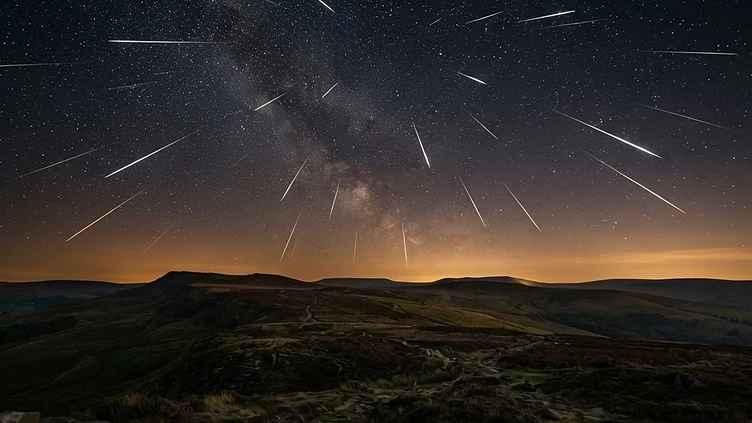
A Cosmic Gift Under Northern Skies As summer reaches its golden zenith, a rare and truly magical gift is descending upon the United Kingdom. Across the nation, from the rugged coastlines to the rolling hills, anticipation is building for an astronomical event that promises to be the highlight of the year. The annual Perseid meteor shower, a celestial ballet that has captivated humanity for generations, is set to reach its peak intensity. This year, however, the spectacle arrives with a special promise, offering stargazers the most brilliant display witnessed in an entire decade. For those fortunate enough to be positioned under the clear, vast expanses of the Northern Hemisphere, the heavens are preparing to put on a show that requires no tickets, no telescopes, and no complex training. It is a moment for us all to pause, step outside, and reconnect with the infinite wonder of the cosmos.
Perfect Conditions For Viewing What makes the 2026 Perseid display particularly remarkable is the rare alignment of celestial circumstances that will turn the night sky into a perfect, velvet-black stage. As Earth continues its journey through the dusty, golden debris left behind in the wake of the Swift-Tuttle comet, it encounters the remnants of this ancient visitor. Normally, the light from our moon can wash out the fainter streaks of these cosmic travellers, but this year offers a distinct advantage. A new moon phase coincides with the peak of the shower, ensuring that the sky remains exceptionally dark and devoid of disruptive lunar glare. This lack of light interference provides an unparalleled backdrop for the meteors to trace their brilliant paths across the expanse. Whether you are situated in one of the UK’s renowned dark-sky parks, such as the breathtaking landscapes found in Northumberland, or simply enjoying the view from a quiet garden, the conditions are shaping up to be truly near-perfect. The peak is scheduled for the night of August 12, extending into the early hours of August 13. During this golden window, spectators can expect to see anywhere between 50 and 100 meteors every hour. It is a dense, rhythmic dance of light that serves as a profound reminder of the vast and active nature of the universe we inhabit.
A Day Of Celestial Wonders The magic of this August day begins long before the sun dips below the horizon. The meteor shower is preceded by a significant solar eclipse occurring earlier in the daylight hours, creating a full day of extraordinary astronomical activity. This rare sequence of events invites us to look upward from dawn until the darkest hours of the night, marking a unique date in the calendar for astronomy enthusiasts and casual observers alike. It is a testament to the beauty of our solar system that such a dramatic display can occur so naturally and accessibly. The fact that this spectacle arrives on the heels of an eclipse adds a layer of grandeur to the occasion, making the summer of 2026 a period that will be long remembered by sky-watchers across the British Isles. The transition from the day’s solar marvel to the night’s fiery meteor display provides a rare, unified experience of nature’s most dazzling forces.
Simplicity And Shared Awe One of the most heart-warming aspects of the Perseid shower is its complete lack of exclusivity. While many hobbies and scientific interests require heavy investment or specialized equipment, this event asks only for a clear night and a little bit of patience. No telescopes, binoculars, or complex gear are needed to witness the meteors streaking across the atmosphere; the human eye is the only instrument required to fully appreciate the display. This inherent accessibility allows families, friends, and individuals to share in the wonder of the heavens together. As we prepare to turn our gaze upward, the event serves as a gentle encouragement to engage with the natural world. There is a sense of optimism in the knowledge that, despite the complexities of modern life, we can still gather under the vast canopy of space to witness a phenomenon that has remained unchanged for aeons. As August 12 rolls around, the promise of these falling stars offers us a moment of collective pause and shared perspective. In the quiet solitude of the North of England or the bustling corners of our cities, we are all invited to stand under the same sky, waiting for the first streak of light to pierce the darkness. It is an invitation to dream, to wonder, and to find beauty in the sheer scale of the cosmos, reminding us all that we are part of a much larger, more magnificent story that unfolds gracefully and reliably above our heads each year.
Originally reported by
All rights in the original reporting remain with the publishers below.
Originally reported by theguardian.com. Our feature is written independently from verified facts — please support the original reporting:
Read the original storyRelated Wins

 Culture
Local Students Bring Spooky Fun to the Stage
Young performers in Mid Cheshire are preparing to delight audiences this October with a lively production of The Addams Family musical, showcasing the dedication and artistic development of local youth.
North of England · 3 mins ago

 Science
NEW PATHWAYS TO DIAGNOSIS: CAMBRIDGE STUDY SHEDS LIGHT ON AUTOIMMUNE HEALTH
A landmark study from the University of Cambridge is paving the way for more accurate medical care by highlighting critical gender disparities in the diagnosis of autoimmune conditions. By identifying how and why these misdiagnoses occur, researchers are providing the evidence needed to ensure patients receive faster, more effective support for their physical health.
London & South · 1 hour ago

 Culture
Traitors star Joe Lycett funds free pints at Knutsford bar to support struggling pubs
Comedian Joe Lycett has stepped in to support the local hospitality industry by funding free drinks for patrons at a Knutsford bar. This generous gesture aims to boost footfall and provide a helping hand to a local business during challenging economic times.
North of England · 6 hours ago
The Sunshine Digest
One bright email each week — verified good news only, unsubscribe in a click.