Sovereign of the Southern Uplands: How Scotland’s Golden Eagles Reclaimed Their Ancient Throne
The South of Scotland Golden Eagle Project has announced that the local population has reached a 300-year high, with record numbers of chicks fledging this season. This ecological restoration proves that community-led conservation can bring iconic species back from the brink.
The story in 20 seconds
20The South of Scotland Golden Eagle Project confirmed 52 established pairs across the region in their July 23, 2026 census.
The golden eagle population in the Southern Uplands had been largely absent for nearly 300 years before the project began.
The SSGEP initiative commenced in 2018 with a plan to translocate young eagles to the south.
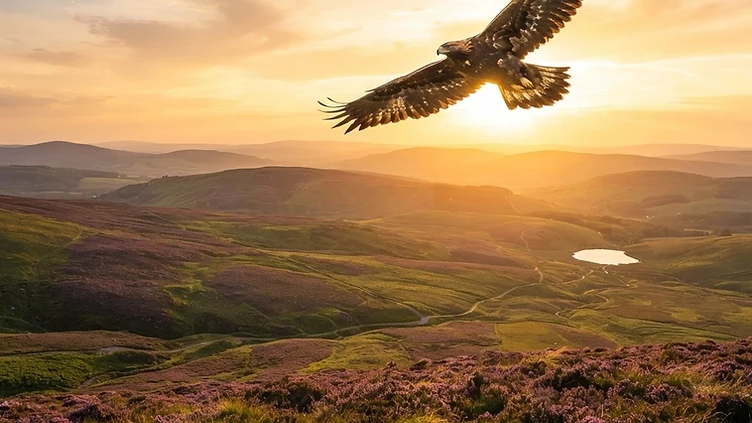
High above the rolling hills of the Scottish , a sight once thought lost to history is becoming increasingly common: the majestic, seven-foot wingspan of the Golden Eagle. On July 23, 2026, the South of (SSGEP) confirmed that their latest census has identified 52 established pairs across the region, the highest density of the species in the area since the early 18th century. After decades of persecution and habitat loss, the 'King of Birds' has made a triumphant return, transforming the ecology and the identity of the .
A Centuries-Old Absence Ended
For nearly 300 years, the golden eagle was a ghost in the south. While populations survived in the rugged Highlands and Islands, the Borders and Dumfries & Galloway were largely devoid of these apex predators due to historical land clearances and intensive moorland management. began its work in 2018 with a bold plan to translocate free-flying young eagles from the north to a secret release site in the south.
'What we are seeing now is the fruit of eight years of painstaking work,' says Cat Barlow, the project manager. 'It’s not just about moving birds; it’s about creating a landscape where they can thrive. This year, we’ve seen a record 12 chicks fledge from nests that haven't been occupied in living memory. These are "home-grown" Borders eagles, and they are the key to a self-sustaining population that will eventually link up with populations in Northern England.'
Science and Stewardship: The New Conservation Model
The success of the project is rooted in a unique collaboration between conservationists, scientists, and—crucially—landowners and gamekeepers. In the past, these groups were often at loggerheads. However, the SSGEP has pioneered a 'middle way' that respects traditional land use while prioritizing biodiversity. By providing estates with satellite tracking data and involving local workers in the monitoring of the birds, the project has turned potential adversaries into proud stewards.
Modern technology has played a vital role. Each eagle is fitted with a state-of-the-art satellite tag that provides real-time data on their movements and health. This data is not just for scientists; it is shared with the public through 'Eagle Schools' and community hubs. This transparency has fostered a sense of local ownership. When an eagle named 'Sula' successfully reared two chicks this month, the local town of celebrated with a community festival. The bird is no longer an intruder; she is a local celebrity.
Community at the Heart of Conservation
The economic impact on the region has been surprisingly robust. 'Eagle Tourism' is now a burgeoning sector in the Borders. Local guest houses, walking tour operators, and wildlife photographers have reported a 30% increase in bookings attributed specifically to visitors hoping to catch a glimpse of the birds. The town of Moffat has even declared itself the UK's first ',' with murals and educational trails drawing in families from across the UK.
'People are hungry for a connection with the wild,' explains Dr. Rick Taylor, an ecologist involved in the project. 'Seeing a golden eagle isn't just a bird-watching tick-box; it’s a profound emotional experience. It reminds us that we can fix what we’ve broken. The community response has been overwhelming. We have over 200 volunteers who help with everything from nest monitoring to public engagement. This isn't a project imposed from above; it’s a movement from the ground up.'
The Ripple Effect on Local Biodiversity
The return of the golden eagle is also a boon for the wider ecosystem. As apex predators, they play a vital role in maintaining the health of the moorland. By preying on weaker animals and carrion, they help control disease and ensure the fitness of other species. Their presence is an 'umbrella' for conservation; the measures taken to protect eagle habitats—such as reducing overgrazing and restoring peatlands—benefit countless other species, from mountain hares to rare insects.
Looking ahead, the SSGEP aims to see the population expand further south into the and the Cheviot Hills. The success in Scotland provides a proven blueprint for 'rewilding with people'—a model that proves economic activity and high-level biodiversity are not mutually exclusive. As these young eagles soar over the hills this summer, they carry with them the hope of a truly green recovery for the entire British Isles.
Originally reported by
All rights in the original reporting remain with the publishers below.
Originally reported by South of Scotland Golden Eagle Project: Annual Report 2026. Our feature is written independently from verified facts — please support the original reporting:
Read the original storyRelated Wins

 Environment
A NATURAL REVIVAL FOR BARNES GREEN
A major river restoration project has successfully transformed the Beverley Brook at Barnes Green into a thriving, natural habitat. This initiative has introduced a meandering river channel and a new island, significantly boosting local flood resilience and biodiversity.
London & South · 8 hours ago

 Environment
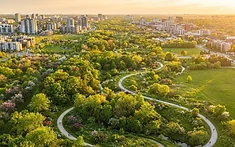
A "Nature Ring" for London: Ambitious Green Corridor Takes Root
A visionary 25-year project is underway to encircle the capital with a continuous 200km green corridor, transforming the city’s outer edges into a thriving habitat for both wildlife and residents. By connecting existing green spaces with new orchards, hedgerows, and woodlands, the initiative aims to restore biodiversity and provide nature-deprived communities with improved access to the outdoors.
London & South · 1 day ago

 Environment
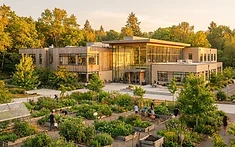
'Outstanding' school 'over-capacity' to move and expand from Bermondsey to Peckham
A highly-rated special school is set to expand its capacity and move into a modern, sustainable facility to better support children with complex needs. This relocation will provide 21 additional places for pupils, ensuring more families have access to high-quality, purpose-built educational environments.
London & South · 1 day ago
The Sunshine Digest
One bright email each week — verified good news only, unsubscribe in a click.