Seeing the River Through Wildlife’s Eyes: A New Path for Conservation
Volunteers in Somerset are using an immersive, perspective-shifting experiment to better understand the environmental challenges facing the River Tone. By training to view the landscape from the viewpoint of local wildlife, the group has developed a comprehensive 30-year strategy to restore the river’s health.
The story in 20 seconds
20The study was conducted by the University of the West of England and ASRA.
18 volunteers roleplayed species including Atlantic salmon, red deer, and otters.
Participants identified stressors like pollution and noise by navigating the river environment.
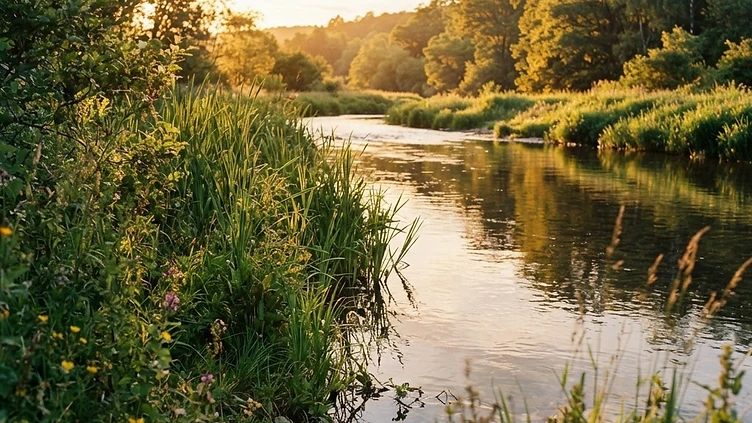
Seeing Somerset Through New Eyes
In the heart of Somerset, a quiet revolution is taking place along the banks of the , one that relies less on traditional surveying tools and more on the power of human imagination. Throughout November 2024, a group of eighteen local volunteers gathered to undertake an ambitious experiment designed to bridge the gap between human environmental management and the lived experience of the river’s inhabitants. By stepping into the metaphorical shoes of the creatures that call this waterway home, these have mapped out a visionary thirty-year strategy to ensure the health and vitality of the River Tone for generations to come. This unique initiative, spearheaded by the of the West of England in collaboration with the Accelerator for Systemic Risk Assessment, represents a bold leap forward in how we think about conservation in the United Kingdom. Rather than looking down at the water from a human-centric perspective, these volunteers challenged themselves to understand the landscape from the viewpoint of red deer, otters, and even salmon. By shifting their gaze, they have pioneered a nature-first approach that prioritizes empathy as a central pillar of environmental restoration.
A Strategy Built on Empathy
The process of developing this long-term strategy was far from standard desk-based planning. To gain a true understanding of the environmental stressors affecting the river, the volunteers had to actively navigate the environment while roleplaying as specific species. This immersive experiment allowed them to see the River Tone not as a scenic backdrop or a resource, but as a complex home filled with hidden obstacles. Through this sensory-focused engagement, participants were able to identify specific points of concern, such as water pollution and the disruptive impact of noise, which might otherwise be overlooked in traditional ecological reports. This practical, boots-on-the-ground research was underpinned by rigorous methodology, utilizing open-source planning techniques originally developed for the of Defence. By applying these robust, strategic frameworks to the world of conservation, the group managed to transform abstract observations into a concrete and actionable thirty-year campaign. The shift from a standard conservation model to one that actively incorporates the perspective of the animals themselves has proved to be a powerful catalyst for community engagement, turning abstract environmental goals into a shared, tangible mission.
The Future of Conservation
The success of the River Tone project suggests that there is a wider opportunity for similar community-led conservation efforts throughout the UK. By fostering a deeper, more personal connection to the local ecosystem, this experiment has demonstrated that people are more willing to invest their time and passion into long-term restoration when they feel a sense of camaraderie with the wildlife they seek to protect. The methodology employed by the University of the West of England and ASRA offers a replicable template for other regions looking to address environmental challenges with innovation and heart. As the project looks toward its long-term future, the focus remains on the implementation of the restoration campaign, ensuring that the insights gained by the volunteers are translated into physical improvements along the river. It is a hopeful example of how traditional research can be enhanced by radical new perspectives, proving that we do not always need more technology to solve our ecological problems, but rather a more profound understanding of the world we share.
Join the Conversation
For those interested in learning more about how this immersive process unfolded and what the next three decades hold for the River Tone, there is a chance to peek behind the curtain of this remarkable study. A public webinar titled '' is scheduled to take place on 18 November. This event provides a platform for the volunteers and organizers to share their findings and discuss how viewing the landscape through the lens of a salmon or an otter can change our human relationship with the natural world. As we look ahead, the story of the River Tone stands as a testament to the fact that when we listen to the stories of our local wildlife, we gain a much clearer picture of what needs to be done to heal our environment. It is an optimistic vision, suggesting that with enough empathy and careful planning, the future of our rivers can be as vibrant and diverse as the creatures that reside within them. This experimental approach has successfully unified the community in a common purpose, proving that protecting nature is most effective when it starts with understanding.
Originally reported by
All rights in the original reporting remain with the publishers below.
Originally reported by positive.news. Our feature is written independently from verified facts — please support the original reporting:
Read the original storyRelated Wins

 Culture
Iconic Japanese Masterpieces Arrive in London for Landmark Exhibition
The Dulwich Picture Gallery has launched a major new exhibition featuring the complete series of Hokusai’s celebrated woodblock prints, "Thirty-six Views of Mount Fuji." This rare presentation brings together the full collection for the first time in the UK, offering visitors an immersive look at the artist’s visionary work.
London & South · 10 hours ago

 Environment
Coastal Revival: Solent Seabird Colonies Bounce Back After Flu Crisis
Conservationists are celebrating a significant recovery of seabird populations along England’s south coast following the severe avian influenza outbreak of 2022. Collaborative habitat restoration projects have provided vital sanctuary for vulnerable species, marking a successful turning point for local biodiversity.
London & South · 16 hours ago

 Sport
LIONESSES SECURE LONG-TERM FUTURE WITH WIEGMAN EXTENSION
England’s women’s football team will continue their journey under the leadership of Sarina Wiegman, who has committed her future to the squad until 2029. This extension ensures stability for the Lionesses as they look ahead to upcoming major international tournaments.
London & South · 16 hours ago
The Sunshine Digest
One bright email each week — verified good news only, unsubscribe in a click.