RECLAIMING THE GARDEN: HOW UK HOUSEHOLDS ARE COOLING OUR CITIES
A growing movement of UK residents is transforming paved-over front gardens into vibrant green spaces, providing a natural solution to rising urban temperatures. By replacing tarmac and concrete with plants and trees, homeowners are actively reducing the urban heat island effect and creating vital habitats for local wildlife.
The story in 20 seconds
20Replacing paved surfaces with vegetation can lower local temperatures by up to 1°C.
The initiative mitigates flash flooding by allowing water to soak into the ground.
The Royal Horticultural Society (RHS) advocates for the environmental and wellbeing benefits of greening frontages.
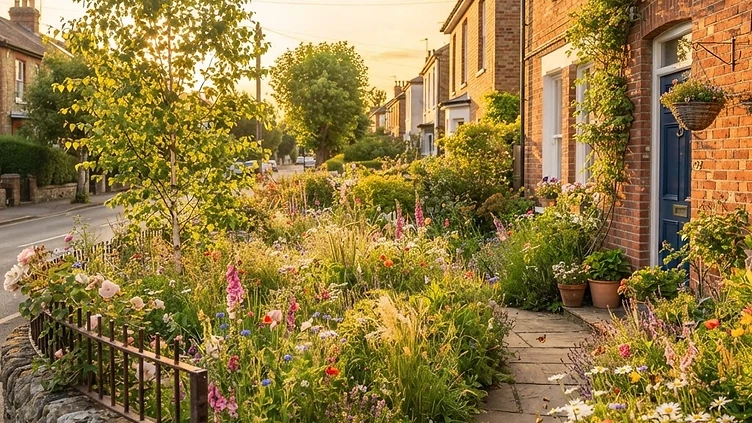
A Green Revolution in Our Front Gardens
Across the residential streets of London and the South, a quiet but profound transformation is taking place. Where once we saw nothing but the cold grey of tarmac and concrete, a growing movement of households is reclaiming the space right outside their front doors. This is not merely an aesthetic shift; it is a vital, community-led mission to turn our paved-over front gardens into flourishing patches of nature. Supported by , residents are picking up their spades and impermeable surfaces with vibrant greenery, plants, and trees. As this momentum builds in the present day, it offers a refreshing, natural solution to some of the most pressing environmental challenges facing our urban landscapes. By trading grey for green, homeowners are proving that small, local actions can have a significant impact on the health and climate resilience of our cities.
Cooling the Urban Heat
One of the most immediate benefits of this grassroots movement is the ability of our gardens to act as natural air conditioners for the neighbourhood. As temperatures rise, the urban heat island effect has become an increasing concern for those living in built-up areas. By removing hard surfaces that trap and radiate heat, and replacing them with living vegetation, residents are successfully lowering local temperatures. In fact, simply replacing pavement with a thoughtfully planted garden can lead to a reduction in local temperatures by as much as 1°C. This cooling effect is a testament to the power of nature to regulate our immediate environment. Beyond just the thermometer, this transition provides a necessary boost to biodiversity, inviting local wildlife back into our streets and creating essential habitats that were previously blocked by concrete. When we consider the cumulative effect of these individual efforts, the shift from asphalt to soil becomes a powerful tool in our collective efforts to keep our urban spaces livable and comfortable.
Managing Water and Climate Risks
The benefits of this greening initiative extend far beyond temperature regulation; they are also a crucial strategy for managing the risk of flash flooding. Paved gardens act as a barrier to the natural absorption of rainwater, forcing water to runoff into already strained drainage systems. By returning these areas to a natural, permeable state, we allow water to soak safely into the ground, significantly mitigating the threat of flooding. This restoration of the natural water cycle is a practical, resilient response to the changing climate. Furthermore, the act of greening our frontages plays a pivotal role in the protection of our homes. By managing soil moisture levels more effectively, these gardens help protect building foundations from the dangers of climate-related subsidence. It is a win-win scenario where the simple act of planting a tree or creating a flower bed provides structural security for the home while simultaneously shielding the surrounding area from the dangers of excessive water accumulation.
Boosting Wellbeing and Future Outlook
It is easy to overlook the emotional and psychological rewards of tending to a front garden, yet the Royal Horticultural Society frequently highlights the deep link between gardening and improved resident wellbeing. In our busy, high-stress lives, the addition of greenery serves as a sanctuary that helps to reduce stress levels significantly. Every plant added to a formerly paved space is an investment in the mental health of the household and the community at large. As we look toward the future, the vision for our residential areas is one where every front garden acts as a small, vital organ in a wider green network. This movement is a heartening reminder of what can be achieved when residents are supported in their desire to cultivate nature on their own doorsteps. By continuing to embrace this shift, we are not only beautifying our streets but actively participating in a resilient, environmentally conscious future. The movement is gaining momentum, and with the ongoing support of organizations like the Royal Horticultural Society, the prospect of greener, cooler, and more peaceful neighbourhoods is well within our grasp. It is a story of reclaiming our space, one garden at a time, for the benefit of our homes, our local wildlife, and our own lasting peace of mind.
Originally reported by
All rights in the original reporting remain with the publishers below.
Originally reported by Weatherwatch: Paving over front gardens is leading to hotter nights. Our feature is written independently from verified facts — please support the original reporting:
Read the original storyRelated Wins

 Sport
SportCHESS PRODIGIES BREAK BARRIERS IN NATIONAL LEAGUE DEBUT
The 'She Plays to Win' Lionesses have made history by competing in the top division of the Four Nations Chess League, marking the culmination of three consecutive promotions. Despite facing unique regulatory challenges regarding team composition, the squad continues to demonstrate exceptional skill and camaraderie at the highest level of British chess.
London & South · 1 hour ago

 Science
NEW PATHWAYS TO DIAGNOSIS: CAMBRIDGE STUDY SHEDS LIGHT ON AUTOIMMUNE HEALTH
A landmark study from the University of Cambridge is paving the way for more accurate medical care by highlighting critical gender disparities in the diagnosis of autoimmune conditions. By identifying how and why these misdiagnoses occur, researchers are providing the evidence needed to ensure patients receive faster, more effective support for their physical health.
London & South · 1 hour ago

 Environment
A NATURAL REVIVAL FOR BARNES GREEN
A major river restoration project has successfully transformed the Beverley Brook at Barnes Green into a thriving, natural habitat. This initiative has introduced a meandering river channel and a new island, significantly boosting local flood resilience and biodiversity.
London & South · 7 hours ago
The Sunshine Digest
One bright email each week — verified good news only, unsubscribe in a click.