Pioneering Lab-Grown Organs Set to Transform Medical Testing
A major new project in Cambridge is set to revolutionise drug development by creating standardised miniature human organs to replace traditional animal testing. By using cells from NHS patients to grow these sophisticated models, researchers aim to achieve more accurate, human-relevant results for life-saving medicines.
The story in 20 seconds
20The project is based in Cambridge, a leading global hub for life sciences.
The initiative has secured £20 million in dedicated funding.
Researchers are using cells donated by NHS patients to grow the organoids.
A New Dawn for Medical Science in Cambridge
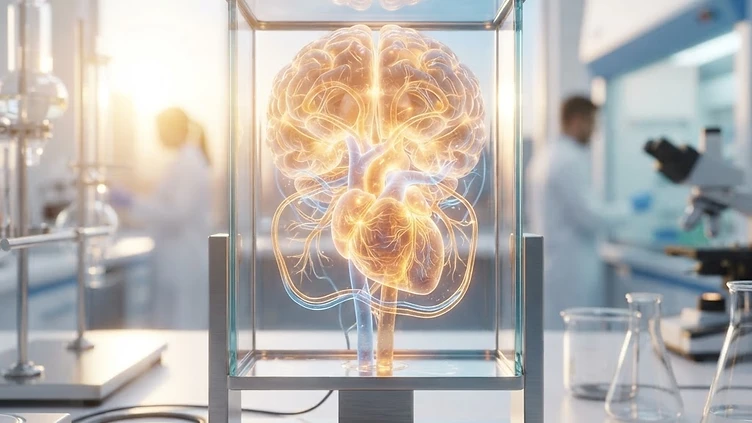
Nestled in the heart of , a city already synonymous with the cutting edge of global life sciences, an extraordinary scientific endeavour is quietly taking shape. By August 2026, this hub of innovation is set to become the launchpad for a transformative leap in pharmaceutical development, as prepare to unveil a project that could fundamentally rewrite the rulebook on how we test life-saving medicines. At the core of this ambitious initiative is the development of miniature human organ models, a technological marvel that promises to move the industry away from historical methods and into a future defined by precision, ethics, and human-centred biology. Supported by a robust £20 million in dedicated funding, this project represents more than just a scientific experiment; it is a major investment in the future of public health, signalling a shift towards the integration of advanced biotechnology into our essential infrastructure. By harnessing the collective expertise of academic researchers and medical professionals, this work is poised to deliver a more consistent and reliable approach to understanding how new compounds interact with our bodies, marking a significant milestone for the United Kingdom.
Harnessing the Power of Human Cells
The genius of this programme lies in its elegant simplicity and deep reliance on human biology. Rather than looking elsewhere, the research team is turning to the very people they ultimately serve. By utilising cells generously donated by NHS patients, the team can cultivate —sophisticated, three-dimensional, and self-organising tissue cultures that meticulously replicate the functions of human organs. These organoids are not merely static samples; they are dynamic, biological mimics that allow for the testing of new pharmaceuticals on structures that are fundamentally human-specific. For far too long, the pharmaceutical industry has relied on models, which are frequently criticised for their inherent inability to accurately predict how human beings might react to experimental medications. This mismatch has often led to challenges in drug development, where successes in one area do not necessarily translate to the complexities of human physiology. By switching to human-derived cells, researchers are ensuring that the data harvested is far more biologically relevant to the patients who need these medicines most. This shift promises to bring a new level of integrity to the testing phase, bridging the gap between a laboratory discovery and a successful clinical outcome.
Precision Testing for a Healthier Future
The benefits of standardising these organoid models are profound, particularly concerning the speed and reliability of modern medicine. When researchers have access to a consistent, standardised set of models, they can assess both the safety and efficacy of new chemical compounds with unprecedented swiftness. This efficiency is critical in a fast-paced medical world where the discovery of a new drug can mean the difference between life and death for countless individuals. Beyond the immediate scientific gains, there is a powerful ethical dimension to this work. This project is a foundational pillar of a broader roadmap set forth by the UK government, reflecting a collective commitment to phase out the reliance on animal testing. By embracing biotechnology, the project offers a humane alternative that does not compromise on scientific rigour. It is a win-win scenario: we protect animal welfare while simultaneously providing doctors and patients with medicines that have been scrutinised through a more accurate and representative lens. This alignment of ethics and innovation is a testament to the forward-thinking nature of the British research sector.
A Transformative Trend in UK Healthcare
As we look towards the horizon, it becomes clear that this Cambridge initiative is not an isolated occurrence, but rather part of a wider, systemic shift across the United Kingdom. We are witnessing the integration of sophisticated biotechnology into our public health framework, a trend that promises to enhance the standard of care for everyone. The collaborative nature of this endeavour, linking the brightest minds in academia with the daily reality of NHS clinical practice, creates a synergy that is hard to replicate elsewhere. The goal is clear: to foster a system where the development of every new treatment is backed by the most precise and relevant biological data available. The investment of £20 million serves as a clear signal that the UK is committed to maintaining its position as a global leader in scientific discovery. As August 2026 approaches, the anticipation within the scientific community continues to grow. We are moving toward a future where drug testing is safer, more ethical, and perfectly tailored to human biology. This is not just a technological upgrade; it is a change in the philosophy of medicine, ensuring that our advancements reflect both our best ingenuity and our deepest values. In the quiet, determined halls of Cambridge laboratories, the future of medicine is being grown cell by cell, promising a legacy of health that will benefit generations to come.
Originally reported by
All rights in the original reporting remain with the publishers below.
Originally reported by ‘A mouse can’t tell us what works’: UK scientists to grow miniature human organs for drug testing. Our feature is written independently from verified facts — please support the original reporting:
Read the original story- ‘A mouse can’t tell us what works’: UK scientists to grow miniature human organs for drug testing
- https://www.theukpulse.co.uk/health/uk-scientists-to-grow-miniature-human-organs-to-replace-animal-drug-testing
- https://htworld.co.uk/news/biotech-news/uk-to-grow-miniature-human-organs-from-patient-cells-to-cut-animal-testing-fem26/
Related Wins

 Sport
SportCHESS PRODIGIES BREAK BARRIERS IN NATIONAL LEAGUE DEBUT
The 'She Plays to Win' Lionesses have made history by competing in the top division of the Four Nations Chess League, marking the culmination of three consecutive promotions. Despite facing unique regulatory challenges regarding team composition, the squad continues to demonstrate exceptional skill and camaraderie at the highest level of British chess.
London & South · 11 mins ago

 Science
NEW PATHWAYS TO DIAGNOSIS: CAMBRIDGE STUDY SHEDS LIGHT ON AUTOIMMUNE HEALTH
A landmark study from the University of Cambridge is paving the way for more accurate medical care by highlighting critical gender disparities in the diagnosis of autoimmune conditions. By identifying how and why these misdiagnoses occur, researchers are providing the evidence needed to ensure patients receive faster, more effective support for their physical health.
London & South · 11 mins ago

 Environment
A NATURAL REVIVAL FOR BARNES GREEN
A major river restoration project has successfully transformed the Beverley Brook at Barnes Green into a thriving, natural habitat. This initiative has introduced a meandering river channel and a new island, significantly boosting local flood resilience and biodiversity.
London & South · 6 hours ago
The Sunshine Digest
One bright email each week — verified good news only, unsubscribe in a click.