Pioneering Cancer Treatment Saves Zoo Python
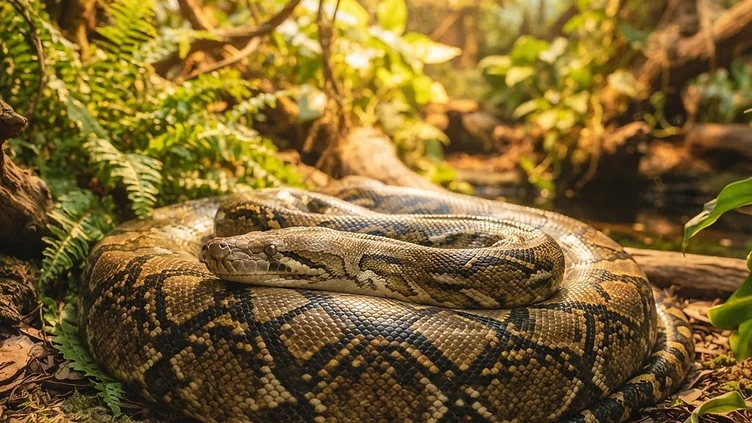
A 15-foot reticulated python named Jodie Foster has made a full recovery at Chester Zoo after becoming the first snake in the world to receive a groundbreaking combination of surgery and electrochemotherapy. The 23-year-old reptile is now back to her healthy, active self after veterinary experts successfully targeted a malignant tumour in her jaw.
The story in 20 seconds
20The patient is a 23-year-old reticulated python named Jodie Foster.
She has been a resident at Chester Zoo for two decades.
The snake was named after the actress Jodie Foster because her arrival paperwork was marked "JF" (shorthand for "juvenile female").
A Remarkable Recovery At Chester Zoo
In the heart of the northwest of England, a quiet medical miracle has unfolded, proving that innovation knows no bounds when it comes to the welfare of animals. has officially celebrated the full recovery of one of its most fascinating long-term residents, a 23-year-old reticulated python named . After months of careful observation and intensive medical treatment, staff have confirmed that the 4.5-metre-long reptile is completely free of cancer, marking a triumphant moment for both the zoo and the field of veterinary medicine. The story of Jodie began over two decades ago when she first arrived at the zoo as a young snake. Her unique name is a quirky footnote to her history; initial arrival paperwork listed her simply as 'JF', shorthand for 'juvenile female', which staff quickly adopted as a tribute to the famous actress. Weighing in between 40 and 50 kilograms, this impressive creature has become a beloved fixture at the zoo, captivating visitors with her sheer size and presence. However, her life took an unexpected turn when veterinary experts identified a malignant tumour developing within her jawbone.
Pioneering Medical Collaboration
The challenge posed by the tumour was significant, as it began to directly interfere with Jodie’s ability to eat, threatening her overall health and quality of life. Understanding that conventional methods might not suffice, the zoo’s veterinary team sought to push the boundaries of what was possible. They embarked on an ambitious collaboration with cancer specialists from the University of Liverpool’s Department of to devise a solution that had never been attempted on a snake before. This groundbreaking procedure involved a two-pronged attack on the disease. First, surgeons performed an operation to carefully excise the tumour alongside a portion of the affected jawbone. Following the , the team utilized , or ECT, to eradicate any remaining malignant cells. While ECT is a recognised treatment for humans and certain domestic animals, its application in reptiles was entirely uncharted territory. The successful outcome of this complex procedure is a testament to the dedication of the cross-disciplinary team, who adapted human-based therapeutic techniques to save their patient.
A Future Without Barriers
The aftermath of the procedure has been nothing short of inspiring. the physical changes to her jawbone, Jodie Foster’s natural instincts and physical capabilities remain entirely intact. She continues to exhibit her normal behaviour, with her ability to strike, grip, and swallow prey completely unaffected by the intervention. This resilience is a heart-warming development for the team who have watched over her for two decades. The success of this treatment is not merely a win for one python; it is a vital milestone for the global veterinary community. By demonstrating that electrochemotherapy can be safely and effectively adapted for exotic species, the collaboration between Chester Zoo and the University of Liverpool has opened a new pathway for treating cancer in reptiles worldwide. The team is now committed to publishing the detailed findings of this procedure to ensure that veterinary professionals across the globe can replicate or adapt these life-saving methods for other animals in need. This collaborative spirit highlights the power of sharing knowledge to improve welfare standards for exotic creatures, bridging the gap between human oncology and wildlife conservation.
Hope For Exotic Species
As Jodie Foster settles back into her regular routine, fully recovered and active, the news serves as a beacon of hope for conservationists and pet owners alike. The milestone achieved in the north of England provides a blueprint for how complex, malignant conditions can be addressed with bold, creative medical thinking. It underscores the incredible advancements being made in the UK’s approach to animal health, where the intersection of traditional surgery and modern electrochemotherapy has effectively turned the tide against a life-threatening diagnosis. This story is ultimately one of optimism. It highlights how the persistent efforts of dedicated professionals, combined with a willingness to experiment with new technologies, can ensure that even the most unique residents of our zoos can live long, healthy lives. The announcement made on August 21, 2026, marking her clean bill of health, will long be remembered as a high-water mark for the medical teams involved. As Jodie continues to thrive, her journey serves as a powerful reminder that every life is worth fighting for, and that with enough ingenuity, even the most difficult medical puzzles can be solved for the benefit of all species.
Originally reported by
All rights in the original reporting remain with the publishers below.
Originally reported by theguardian.com. Our feature is written independently from verified facts — please support the original reporting:
Read the original storyRelated Wins

 Culture
Local Students Bring Spooky Fun to the Stage
Young performers in Mid Cheshire are preparing to delight audiences this October with a lively production of The Addams Family musical, showcasing the dedication and artistic development of local youth.
North of England · 54 mins ago

 Culture
Traitors star Joe Lycett funds free pints at Knutsford bar to support struggling pubs
Comedian Joe Lycett has stepped in to support the local hospitality industry by funding free drinks for patrons at a Knutsford bar. This generous gesture aims to boost footfall and provide a helping hand to a local business during challenging economic times.
North of England · 6 hours ago

 Health
Widnes youngster cutting hair after 10 years for good cause
A young Widnes resident has donated his hair after growing it for a decade to support children facing hair loss due to medical treatment.
North of England · 6 hours ago
The Sunshine Digest
One bright email each week — verified good news only, unsubscribe in a click.