Notting Hill Carnival Marks Historic 60th Anniversary with Vibrant Celebration of Caribbean Culture
The streets of West London have transformed into a kaleidoscope of colour and sound as the Notting Hill Carnival returns to celebrate its landmark 60th anniversary. This year’s festivities honour six decades of Caribbean heritage, unity, and artistic expression, drawing millions of visitors to the heart of the capital for the August bank holiday weekend.
The story in 20 seconds
20The 2026 event marks the 60th anniversary of the Notting Hill Carnival.
The festival takes place over the August bank holiday weekend (August 29–31, 2026).
It is recognised as the largest street carnival in the world and the largest cultural event in Europe.
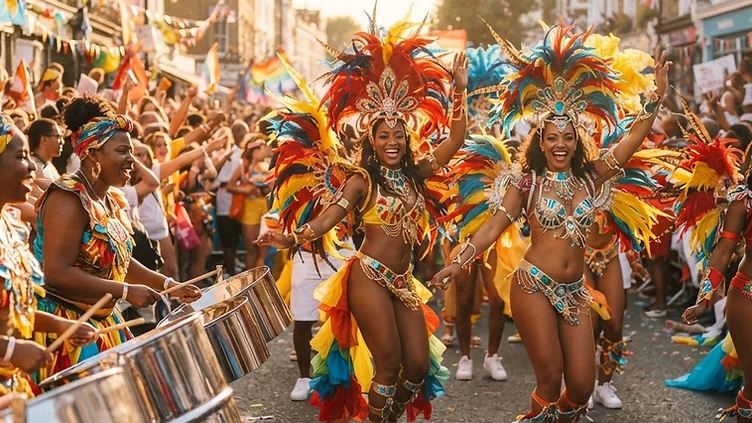
Sixty Years of Caribbean Spirit in West London
As the bank holiday weekend arrives in 2026, the streets of undergo a profound transformation. From August 29 to August 31, the area becomes a vibrant, living testament to history, culture, and resilience. This year represents a particularly significant milestone as the reaches its 60th anniversary. What began in 1966 as a bold celebration of culture and the spirit of emancipation has evolved into a global phenomenon. It is widely recognised today as the largest street carnival in the world and, indeed, the largest cultural event across the entirety of . The air is thick with the rhythmic pulse of steel bands and the powerful energy of sound systems, while the sight of elaborate, colourful feathered costumes turning the urban landscape into a kaleidoscopic tapestry reminds everyone of the enduring power of community.
From Unity to Global Spectacle
The roots of this spectacular event are deeply intertwined with the social history of the capital. Born in the aftermath of local race riots, the carnival was originally conceived as a vital bridge to bring a fractured community together. By celebrating the freedom of enslaved people following emancipation, the founders planted seeds of unity that have blossomed over six decades. Today, the scale of the operation is immense, with a parade route spanning approximately five kilometres through the heart of West London. This logistical feat serves as the backdrop for an estimated two million people who flock to the streets each year to partake in the festivities. Such vast crowds require meticulous organisation, and the Mayor of London demonstrated a firm commitment to the event 2026 by announcing £5 million in targeted funding, specifically dedicated to ensuring the safety and management of these massive gatherings. This support acknowledges that the carnival is far more than just a party; it is a pillar of the local economy, generating an estimated boost of nearly £400 million annually.
The Heartbeat of the Carnival
Beyond the economic figures and the sprawling parade routes, the true essence of the Notting Hill Carnival lies in the dedication of the individuals who have nurtured it across the generations. The legacy of the event is kept alive by people who have given their lives to the tradition. Figures like , whose involvement spans an incredible 45 years, and , who has been operating sound systems for nearly four decades, represent the heartbeat of the celebration. They are the custodians of a heritage that values artistic expression as a fundamental right. When attendees hear the steel bands or witness the intricate craftsmanship of the performers' attire, they are participating in a tradition that has survived and thrived through sixty years of change. The carnival remains a powerful symbol of what happens when a community decides to honour its heritage while looking toward a future defined by unity. It is this unique blend of history and contemporary joy that keeps millions of people returning to West London every August.
A Legacy Built to Last
Looking forward, the 60th anniversary serves as a reminder of the vital importance of spaces where culture can be expressed with such vibrancy. The event remains a cornerstone of British cultural life, proving that a celebration launched in a time of social friction can grow into a beacon of national pride. The sheer diversity of those in attendance, from lifelong local residents to curious visitors from across the globe, underlines the universal appeal of the values represented here: artistic freedom, the strength of cultural identity, and the simple, profound joy of coming together. As the sun sets on the 2026 celebrations this August bank holiday, the echoes of the steel drums will surely resonate as a promise for the years to come. The Notting Hill Carnival has cemented its place in the fabric of the UK, not only as a record-breaking event in terms of scale but as a testament to the enduring human spirit. With its origins firmly rooted in the pursuit of harmony, it continues to prove that, even after sixty years, the movement for unity and the celebration of Caribbean heritage remain as dynamic and necessary as ever. As we look ahead, the carnival stands ready to welcome generations to come, ensuring that the rhythm, the colour, and the message of liberation continue to define the vibrant spirit of London.
Originally reported by
All rights in the original reporting remain with the publishers below.
Originally reported by mylondon.news. Our feature is written independently from verified facts — please support the original reporting:
Read the original storyRelated Wins

 Culture
Local Students Bring Spooky Fun to the Stage
Young performers in Mid Cheshire are preparing to delight audiences this October with a lively production of The Addams Family musical, showcasing the dedication and artistic development of local youth.
North of England · 1 hour ago

 Sport
SportCHESS PRODIGIES BREAK BARRIERS IN NATIONAL LEAGUE DEBUT
The 'She Plays to Win' Lionesses have made history by competing in the top division of the Four Nations Chess League, marking the culmination of three consecutive promotions. Despite facing unique regulatory challenges regarding team composition, the squad continues to demonstrate exceptional skill and camaraderie at the highest level of British chess.
London & South · 2 hours ago

 Science
NEW PATHWAYS TO DIAGNOSIS: CAMBRIDGE STUDY SHEDS LIGHT ON AUTOIMMUNE HEALTH
A landmark study from the University of Cambridge is paving the way for more accurate medical care by highlighting critical gender disparities in the diagnosis of autoimmune conditions. By identifying how and why these misdiagnoses occur, researchers are providing the evidence needed to ensure patients receive faster, more effective support for their physical health.
London & South · 2 hours ago
The Sunshine Digest
One bright email each week — verified good news only, unsubscribe in a click.