NHS Launches Nationwide Home-Testing Initiative to Eradicate Cervical Cancer
Millions of women across England are being offered free, discreet home-testing kits to identify the human papillomavirus (HPV) as part of a major public health drive. This initiative aims to reach individuals who have missed traditional clinic appointments, supporting a national goal to eliminate the disease by 2040.
The story in 20 seconds
20The rollout of free HPV self-testing kits commenced across England on August 25, 2026.
Approximately 4 million women in England are currently overdue for their routine cervical screening.
The initiative specifically targets women aged 24 to 64 who have not attended their last screening invitation.
A New Era for Screening
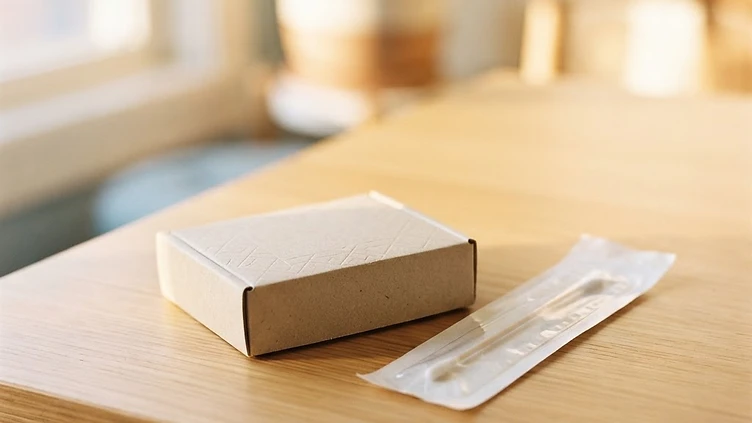
Starting from August 25, 2026, a significant shift in public health has arrived across , designed to place the power of prevention directly into the hands of those who need it most. The NHS has officially launched a nationwide initiative that offers free, discreet home-testing kits for the papillomavirus, or HPV. This groundbreaking move represents a fundamental change in how the health service approaches cancer, moving away from a traditional clinic-only model to one that prioritizes convenience, comfort, and, above all, accessibility. By allowing women to collect their own samples from the safety and privacy of their own homes, the health service is breaking down the barriers that have historically prevented millions from staying up to date with their health checks. The ultimate vision driving this policy is both bold and hopeful: the total elimination of cervical cancer as a public health issue in England by the year 2040. For a disease that remains the most common form of cancer for women under the age of 35 in the UK, this initiative is a vital step toward a future where such diagnoses become a rarity rather than a frequent reality.
Addressing the Screening Gap
While the NHS has long provided vital cervical screening services, the reality is that many individuals face significant hurdles in attending appointments. ly, about 4 million women across England are overdue for their routine screenings. With the national participation rate standing at 68.8 percent, there is a clear and pressing need to bridge the gap toward the 80 percent target set by health authorities. This new home-testing rollout is specifically engineered to reach those women aged 24 to 64 who have missed their previous invitations. By removing the need for a clinical visit, the initiative aims to transform a process that some find inconvenient or daunting into something as simple as a household task. Health and has championed these kits as a key method to stop preventable deaths, emphasizing that modern healthcare must meet people where they are. This program forms a central pillar of the wider NHS 10 , which seeks to pivot the entire system from a reactive, treatment-heavy model to one focused on proactive, long-term prevention.
The Science of Early Detection
At the core of this strategy is the understanding that HPV is the primary cause of almost every case of cervical cancer. Because early detection is the single most effective way to improve treatment success, recommended this mass rollout following the success of rigorous clinical trials. The goal is to identify the presence of the virus long before it can develop into anything more serious. Experts like Michelle Mitchell, Chief Executive of Cancer Research UK, have highlighted that catching these markers early can fundamentally change a patient's journey, potentially preventing the need for the intense and life-altering treatments often associated with late-stage diagnosis. A poignant reminder of why this matters comes from cases like that of Dawn Bryant from Hertfordshire, whose personal experience illustrates how timely detection through NHS screening can be the difference between a minor intervention and the requirement for intensive procedures like chemotherapy. It is a powerful reminder that behind every statistic is a human story. Even those who received the HPV vaccine during their school years are being urged to participate, as the screening process provides a vital secondary layer of protection. The current clinical guidance suggests that women continue to be invited for screenings every five years, with more frequent checks offered to those who test positive for the virus, ensuring that anyone at risk receives the consistent, tailored monitoring they deserve.
Towards a Future Without Cancer
Looking ahead to 2040, the optimism surrounding this initiative is palpable. The launch of self-sampling kits is not merely a logistical update; it is a declaration that the NHS is committed to using innovation to save lives on a massive scale. By shifting the perspective on cervical health from something that happens in a clinical office to a routine part of home care, the programme is fostering a culture where prevention is accessible to everyone. This is not about adding more work to the plate of the average person, but rather about streamlining health maintenance to be as discreet and convenient as possible. As these kits arrive in homes across England, the message from health officials is clear: the opportunity to protect your future is now in your hands. Through this concerted national effort, the dream of eradicating cervical cancer is becoming a concrete reality, replacing fear with a proactive, science-led approach to wellbeing. With continued participation and the support of these new, accessible testing tools, England is positioning itself at the forefront of preventative medicine, ensuring that generations to come can look forward to a healthier, safer future, and more secure future for all women.
Originally reported by
All rights in the original reporting remain with the publishers below.
Originally reported by NHS England to offer women ‘gamechanging’ free home testing kits for cervical cancer. Our feature is written independently from verified facts — please support the original reporting:
Read the original storyRelated Wins

 Sport
SportCHESS PRODIGIES BREAK BARRIERS IN NATIONAL LEAGUE DEBUT
The 'She Plays to Win' Lionesses have made history by competing in the top division of the Four Nations Chess League, marking the culmination of three consecutive promotions. Despite facing unique regulatory challenges regarding team composition, the squad continues to demonstrate exceptional skill and camaraderie at the highest level of British chess.
London & South · 2 hours ago

 Science
NEW PATHWAYS TO DIAGNOSIS: CAMBRIDGE STUDY SHEDS LIGHT ON AUTOIMMUNE HEALTH
A landmark study from the University of Cambridge is paving the way for more accurate medical care by highlighting critical gender disparities in the diagnosis of autoimmune conditions. By identifying how and why these misdiagnoses occur, researchers are providing the evidence needed to ensure patients receive faster, more effective support for their physical health.
London & South · 2 hours ago

 Health
Widnes youngster cutting hair after 10 years for good cause
A young Widnes resident has donated his hair after growing it for a decade to support children facing hair loss due to medical treatment.
North of England · 7 hours ago
The Sunshine Digest
One bright email each week — verified good news only, unsubscribe in a click.