NEW INNOVATION OPENS DOORS TO PARA FENCING
A groundbreaking new piece of equipment, the "SwordSeat," is set to transform the accessibility of para fencing by removing significant financial and logistical barriers, allowing more athletes to participate through a collaborative effort led by British Fencing and the University of Bath.
The story in 20 seconds
20The invention is officially named the "SwordSeat."
The project was directed by Rick Rodgers.
Development involved a partnership between British Fencing and the University of Bath.
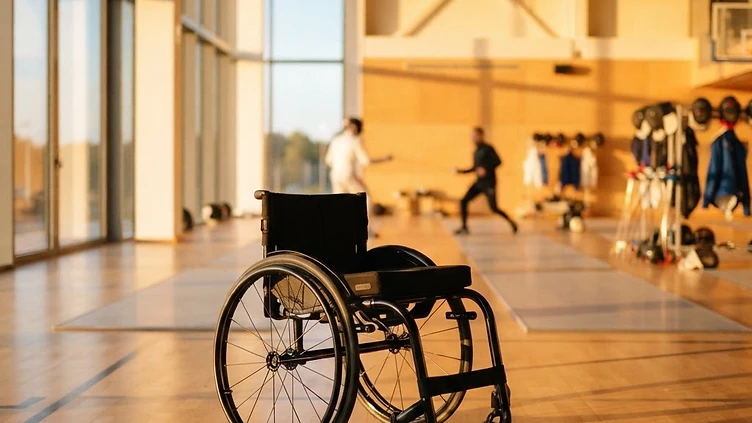
A Fresh Horizon for Para Fencing
As of 7, 2026, the sporting landscape across the United Kingdom has shifted in a truly heartwarming direction. A collaborative initiative involving , researchers from the University of Bath, and passionate disability fencing advocates has unveiled a solution to a long-standing challenge in the world of wheelchair sports. This innovation, officially named the SwordSeat, represents more than just a piece of hardware; it is a vital step forward for inclusive sports technology that promises to welcome a new generation of athletes to the fencing piste. For many years, the dream of participating in competitive fencing was tempered by the reality of complex logistical requirements and significant financial hurdles. These barriers often meant that talented individuals found themselves excluded before they could even pick up a foil. Today, however, the launch of the SwordSeat signals the end of those frustrations, as this affordable and highly accessible piece of equipment prepares to open doors for aspiring fencers throughout the nation.
Breaking Down Barriers
The journey toward this breakthrough was led by , whose dedication alongside disability fencing advocates helped translate the need for better equipment into a tangible reality. By partnering with the University of Bath, British Fencing ensured that the development of the SwordSeat was grounded in both practical expertise and rigorous research. With the financial support of the , the project has successfully addressed the prohibitive costs that have historically plagued wheelchair fencing. In the past, the need for specialised, expensive, and often cumbersome apparatus meant that only a select few could engage with the sport. The SwordSeat changes this dynamic entirely by providing a refined, accessible design that simplifies the entry process. It is a testament to what can be achieved when academic knowledge, governing bodies, and community voices unite for a common goal. This development directly answers the call for a more inclusive sporting environment where an individual's physical ability does not dictate their capacity to compete. By stripping away the technical and financial complications that previously acted as a gatekeeper, the team has effectively democratised access to the sport.
Growing the Grassroots Movement
The significance of this achievement extends far beyond the fencing salle. In the UK, the focus on grassroots sports growth has always been central to our national identity, and the introduction of the SwordSeat marks a triumphant moment for inclusive participation. The initiative aims to lower the barrier to entry so that anyone, regardless of their background or specific physical requirements, can enjoy the discipline and exhilaration of fencing. By making the equipment easier to acquire and use, the project encourages more people to try their hand at the sport, fostering a diverse community of fencers. It is precisely these kinds of advancements that breathe life into the vision of an equitable sporting culture. Advocates, researchers, and the wider British Fencing team have worked tirelessly to ensure that the equipment is not only functional but also widely available, marking a turning point that will likely influence future projects in disability sports across the United Kingdom. This is a clear demonstration that when the focus is placed on accessibility, the entire sporting community benefits.
An Optimistic Future for Athletes
As we look ahead, the impact of this innovation is expected to ripple across the country. The collaborative nature of the project serves as a blueprint for future developments in sports technology, showing that complex barriers can be dismantled through persistence and ingenuity. With the SwordSeat now introduced, the path for potential athletes is clearer than ever before. For those who once viewed fencing as an unattainable goal, the dream is now within reach. The excitement surrounding this launch on October 7, 2026, is palpable, as it represents a commitment to inclusivity that is destined to bear fruit for years to come. By prioritizing the removal of financial and logistical constraints, the UK has taken a definitive lead in fostering an environment where talent alone determines success. Whether in London, the South, or further afield, the message is clear: the fencing world is expanding to make room for everyone. As the SwordSeat finds its way into clubs and training facilities nationwide, the sport will surely see an influx of new talent, enthusiasm, and competitive spirit. It is an incredibly hopeful time for British para fencing, and the collective efforts of Rick Rodgers and his team have ensured that the future of the sport is as bright and accessible as it is thrilling.
Originally reported by
All rights in the original reporting remain with the publishers below.
Originally reported by bristolpost.co.uk. Our feature is written independently from verified facts — please support the original reporting:
Read the original storyRelated Wins

 Health
South London Golfers Tee Off for Prostate Cancer Awareness
A South London golf club recently hosted a record-breaking charity event where 78 golfers named Mark gathered to raise vital funds for prostate cancer research. The community-driven initiative has already generated £19,000, highlighting the power of local engagement in supporting national health causes.
London & South · 2 hours ago

 Science
CELESTIAL SPECTACLE: UK SKIES LIGHT UP IN RARE AURORA DISPLAY
The United Kingdom was treated to a breathtaking natural light show this past weekend as the aurora borealis made a rare and vivid appearance across the country, visible as far south as Devon, Hampshire, and Kent due to intense solar activity.
London & South · 2 hours ago

 Tech
TechILLUMINATING THE CAPITAL: CANARY WHARF’S WINTER LIGHTS FESTIVAL SET FOR 2027 RETURN
London’s iconic Canary Wharf district is preparing to transform into a glowing open-air gallery once again as its celebrated Winter Lights festival confirms its return for 2027. This free, immersive event will invite visitors to explore a curated trail of large-scale light installations, sculptures, and interactive projections designed by artists from across the globe.
London & South · 2 hours ago
The Sunshine Digest
One bright email each week — verified good news only, unsubscribe in a click.