New Genetic Tools to Safeguard Britain’s Pollinators
Scientists have launched a pioneering research project to develop advanced genetic techniques aimed at protecting the UK’s vital pollinator populations from environmental threats. By enhancing the resilience of species like bumblebees and swallowtail butterflies, this initiative seeks to secure the future of British wildlife against the pressures of climate change and habitat loss.
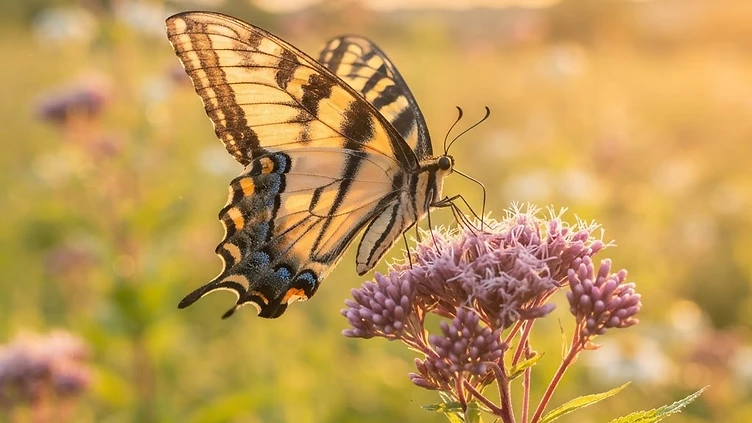
A New Dawn for British Pollinators
September 2026 marks a historic turning point for the natural beauty of the United Kingdom, as scientists launch a bold and pioneering research initiative aimed at safeguarding our most precious pollinators. Across the country, the familiar hum of the bumblebee and the delicate flutter of the swallowtail butterfly are facing unprecedented environmental pressures, ranging from habitat loss to the persistent danger of diseases and . To combat these threats, a dedicated team of experts has united to harness the power of advanced genetic techniques, offering a glimmer of hope for species that are fundamental to our ecosystem. Backed by a significant investment of £5.65 million from the and Invention Agency, or ARIA, this project represents a strategic commitment to the future of British wildlife and the long-term ecological stability of our landscapes.
Leading the Genetic Frontier
At the heart of this ambitious endeavour is a collaborative powerhouse of academic expertise, uniting the brilliant minds of researchers from the of Exeter and the University of York. The project is led by a distinguished trio: Dr. Mark Hanson, Dr. Bartek Troczka, and . Together, these experts are spearheading a mission to decode the biological resilience of our insects. Their primary focus is to prevent the catastrophic population collapse that threatens to diminish the rich biodiversity of the British countryside. By applying cutting-edge genetic science, the team hopes to unlock the biological secrets that will allow pollinators to survive and thrive despite the modern challenges posed by an ever-changing climate and industrial agricultural pressures.
Targeting Resilience in the Field
The scientific focus of this project is as precise as it is profound. The researchers have set their sights on specific goals designed to bolster the hardiness of our local insects. One of the primary research objectives involves the specific genes that naturally employ to fight off infections. By understanding this internal defence mechanism, the team hopes to develop ways to help these industrious insects maintain their health in the face of disease risks. Simultaneously, the project is tackling the issue of chemical exposure by working on insecticide resistance in swallowtail butterflies. Furthermore, the team is working to develop innovative gene-editing methods that can be applied to adult insects, a breakthrough that could fundamentally change our approach to wildlife conservation.
Securing the Future of Britain
While the primary concern is the protection of bumblebees and swallowtail butterflies, the ripple effects of this research will be felt far beyond these specific species. The health of the United Kingdom’s pollinators is inextricably linked to our national food security and the overall resilience of our ecological landscape. Pollinators act as the silent workforce of our agriculture, and by securing their future, we are effectively the very foundations of our food systems. As we look ahead, the work being conducted by these leading institutions offers a vision of a future where humans and nature work in harmony, using the latest tools of science to repair and protect the natural world. By addressing the triple threat of habitat loss, disease, and insecticides, this project is not merely an academic exercise; it is an essential intervention designed to preserve the vibrant tapestry of the British environment for generations to come. With the support of ARIA, the researchers have been given the resources to turn scientific theory into tangible protection, ensuring that the critical roles played by these insects remain a permanent feature of our British heritage.
Originally reported by
All rights in the original reporting remain with the publishers below.
Originally reported by Tree vaccines and gene-edited butterflies among biotechnology projects funded by UK ‘invention agency’. Our feature is written independently from verified facts — please support the original reporting:
Read the original storyRelated Wins

 Culture
PRIME RESCUE: SOUTH LONDON MONKEY FINDS SAFETY
A small primate discovered in distressing conditions in a South London home has been successfully rescued by a multi-agency team. The animal is now receiving expert care following a collaborative intervention to ensure its welfare and safety.
London & South · 1 hour ago

 Health
STADIUM PARTNERSHIP TACKLES PERIOD POVERTY IN BRISTOL
Bristol City Women and Ashton Gate Stadium have partnered with Natracare to provide free, plastic-free period products to players, staff, and visitors, aiming to tackle period poverty and promote inclusivity in sport.
London & South · 7 hours ago

 Environment
Wildlife arrives on time at rewilded chalk grasslands built along HS2 route
A major rewilding project along the HS2 route in the Colne Valley is proving to be a resounding success as birds and insects return to newly created chalk grasslands. Despite the ongoing construction of the high-speed railway, the Western Slopes initiative has successfully transformed former agricultural land into a thriving sanctuary for local biodiversity.
London & South · 7 hours ago
The Sunshine Digest
One bright email each week — verified good news only, unsubscribe in a click.