NATURE’S TRIUMPH: ICONIC WHITE STORKS RETURN TO THE MIDLANDS
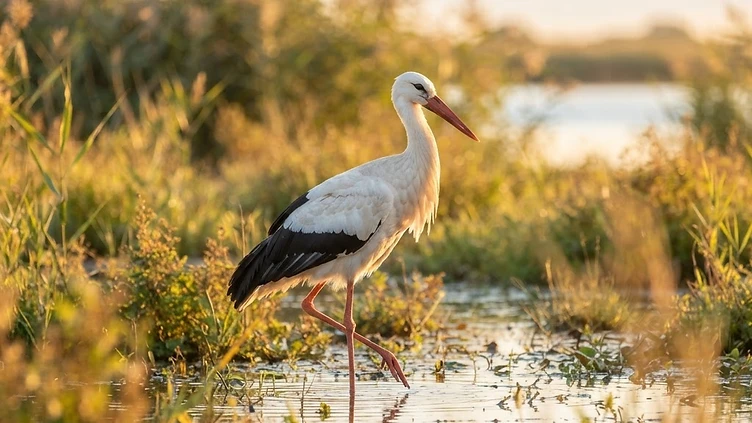
A landmark conservation project has successfully reintroduced white storks to the Midlands, marking the return of the species to the region after an absence of more than 600 years. This ecological milestone, centered at the Willington Wetlands, serves as a vital step in restoring native biodiversity and reconnecting local communities with the natural world.
The story in 20 seconds
20The white stork was absent from the UK for over 600 years.
The project is led by the Derbyshire Wildlife Trust.
The release site is the 113-acre Willington Wetlands.
A Historic Homecoming for the Midlands
The quiet skies over the Midlands are witnessing a transformation that has been six centuries in the making. In a landmark achievement for conservation, the white stork has officially returned to the heart of England. This elegant bird, which has been absent from the regional landscape for more than six hundred years, is once again a part of our local natural heritage. It is a moment of profound significance, turning the page on a long chapter of absence and opening a bright, hopeful narrative for the future of our native wildlife. The return of this iconic species is not merely a scientific success; it is a cultural reconnection, bridging a deep divide between our modern lives and the wild beauty that once thrived alongside us.
The Willington Wetlands Rebirth
At the centre of this ecological triumph is the , a sprawling 113-acre site situated in Derbyshire. This sanctuary has become the stage for a remarkable reintroduction project led by the . The choice of location is no accident, as the site sits strategically along the ecological corridor, a vital thoroughfare for nature that allows wildlife to flourish and move across the landscape. By choosing this specific wetland habitat, the Trust has ensured that the newly arrived storks have the best possible environment to settle, hunt, and begin the process of rebuilding a population that has been missing since the medieval period. The sheer scale of the 113-acre site provides a haven where these birds can thrive undisturbed, allowing the natural rhythms of the wetlands to support their reintegration into the ecosystem.
Following the Path to Success
The project in the Midlands does not stand alone in its ambition. It follows the precedent of a successful programme previously carried out at the , which demonstrated that reintroduction efforts can indeed bear fruit. By building upon the lessons learned and the experiences gained from that earlier initiative, the Derbyshire Wildlife Trust has been able to approach the reintroduction with a robust framework designed to maximise success. This regional effort is a clear sign that the momentum for large-scale nature recovery is building across the UK. The journey from a project on paper to the reality of storks gliding over Derbyshire in 2026 represents a victory for the persistent efforts of conservationists and their supporters who have worked tirelessly to make this happen.
Restoring Biodiversity and Community Bonds
The return of the white stork is about far more than the presence of a single bird species. It is a fundamental step in restoring the rich tapestry of native biodiversity that belongs in our Midlands landscape. When we bring back keystone species, we invite a healthier, more resilient natural world to emerge, which in turn benefits the environment in ways that ripple outwards through the entire ecosystem. Beyond the scientific data and the monitoring of species health, there is a deep, human element to this story. This project is intentionally designed to reconnect local communities with the natural world that sits right on their doorsteps. For the people of the Midlands, seeing these birds in the sky is an invitation to engage with the wetlands, to learn about their local environment, and to take pride in the unique nature that defines their home region. It fosters a sense of stewardship, encouraging a new generation to value the land and the creatures that share it with us.
An Optimistic Look at the Horizon
Looking ahead to the years following 2026, the potential for growth and restoration is immense. The presence of these birds serves as a living, breathing symbol of what is possible when we commit to repairing the damage of the past. As the storks establish themselves within the River Trent ecological corridor, there is a tangible sense of hope that they will thrive and contribute to a wider regional recovery. The efforts led by the Derbyshire Wildlife Trust are a testament to the fact that when we invest in nature, nature responds in kind. By ensuring that these wetlands remain a protected and thriving sanctuary, we are securing a legacy of biodiversity for the Midlands. This is not just a temporary project or a fleeting event; it is a permanent adjustment to our regional landscape, marking a transition into an era where nature is once again a central, visible, and celebrated component of life in the UK. As the storks settle into their new home, they remind us that the natural world is resilient, capable of returning if we provide the right space and the necessary care.
Originally reported by
All rights in the original reporting remain with the publishers below.
Originally reported by ‘The colander worked best!’ Guardian readers share their experience of the solar eclipse. Our feature is written independently from verified facts — please support the original reporting:
Read the original storyRelated Wins

 Science
NEW PATHWAYS TO DIAGNOSIS: CAMBRIDGE STUDY SHEDS LIGHT ON AUTOIMMUNE HEALTH
A landmark study from the University of Cambridge is paving the way for more accurate medical care by highlighting critical gender disparities in the diagnosis of autoimmune conditions. By identifying how and why these misdiagnoses occur, researchers are providing the evidence needed to ensure patients receive faster, more effective support for their physical health.
London & South · 1 hour ago

 Tech
TechNEW SUPERMARKET GREEN-LIT FOR WARWICKSHIRE
A new Lidl supermarket has been granted planning permission in Warwick, marking a significant step forward for local retail infrastructure. The development will transform a vacant industrial site into a modern shopping facility, bringing new investment and convenience to the community.
Midlands · 1 hour ago

 Culture
Birmingham’s Fierce Festival Returns with Bold Artistic Vision
Birmingham’s long-running live art festival has returned to the city, transforming unconventional spaces into vibrant stages for experimental performance. The event showcases a diverse range of creative works, including immersive installations and unique site-specific productions that challenge traditional theatre boundaries.
Midlands · 13 hours ago
The Sunshine Digest
One bright email each week — verified good news only, unsubscribe in a click.