MIDLANDS SUCCESS: STORK REINTRODUCTION AT WILLINGTON WETLANDS
A landmark conservation project in Derbyshire has successfully reintroduced white storks to the Willington Wetlands, marking a significant milestone for UK biodiversity. This 113-acre site now serves as a vital ecological corridor, fostering nature recovery alongside the successful return of local beaver populations.
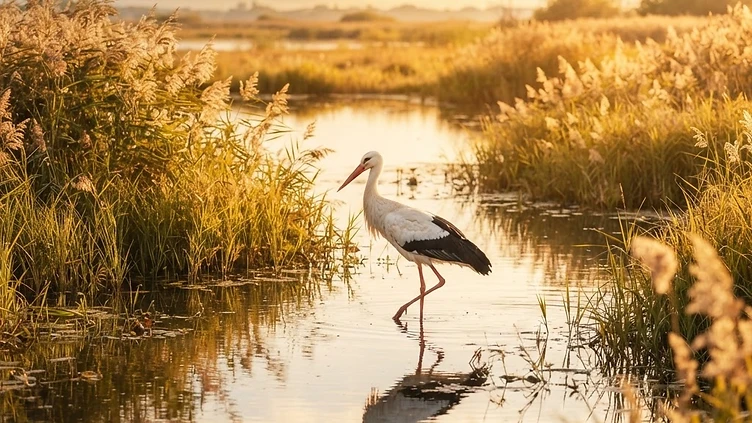
A Winged Return to Derbyshire
The is celebrating a remarkable environmental milestone as the skies above welcome a distinguished new resident. In a landmark achievement for UK conservation, the has successfully reintroduced storks to this lush, restored landscape. This momentous event, which took place in August 2026, marks the beginning of a new chapter for the region’s natural heritage. As these majestic birds take flight over the 113-acre site, they serve as a powerful symbol of hope, signaling a long-term commitment to ecological health that is rapidly transforming our local countryside into a thriving haven for wildlife.
Connecting the River Trent
Situated perfectly along the banks of the , the Willington Wetlands site acts as a crucial ecological corridor, weaving together fragmented landscapes into a singular, interconnected sanctuary. This strategic positioning is vital, as it allows species to move and flourish across a broader area, effectively undoing the damage of past habitat isolation. The choice of location was no coincidence; the River Trent provides the necessary water-rich environment required for the storks to settle and hunt. By focusing on landscape-scale rewilding, the Derbyshire Wildlife Trust is ensuring that these birds are not just surviving, but actively contributing to a more resilient and biodiverse Midlands ecosystem. The wetlands now serve as a protected heartland where nature is firmly back in the driver's seat.
A Growing Rewilding Success
The return of the white stork to Derbyshire follows a precedent of success set previously by the pioneering programme at the in West Sussex. By learning from and building upon these established efforts, the project in the Midlands acts as a vital stepping stone for the wider recovery of the species across the entire UK. It is a testament to the fact that when we provide the right conditions and the right support, nature is incredibly capable of rebounding. The project is far more than a simple release; it is a meticulously planned initiative designed to reignite public interest and wonder in the natural world. Visitors and local residents are encouraged to look upward and engage with the ongoing story of species restoration, fostering a deeper connection between the public and the wild environments that surround them.
Biodiversity Beyond the Stork
While the white stork may be the headline arrival, it is certainly not the only success story unfolding within the 113-acre reserve. The site has also become a home for reintroduced beaver populations, which are working in tandem with the wetlands to enhance the overall biodiversity of the river corridor. These two species, working within their respective niches, play essential roles in the health of the waterway and the surrounding terrestrial habitats. The synergy between the beaver’s influence on the water and the stork’s presence in the landscape is a beautiful example of how holistic conservation can create a thriving, self-sustaining mosaic of life. This combined effort is designed to foster nature recovery, ensuring that the environment remains healthy and vibrant for many years to come.
Looking Toward a Wilder Future
As we look ahead, the project at Willington Wetlands represents a significant shift in how we approach environmental stewardship in the UK. It is a long-term vision that emphasizes the importance of restoring native species as a primary driver for boosting biodiversity. By creating these pockets of restored, high-quality habitat, we are giving the natural world the room it needs to breathe and expand. The sight of a white stork soaring over the Derbyshire wetlands is more than just a beautiful image; it is a clear indicator that our efforts to heal the landscape are working. This is a journey of discovery and dedication, one that invites everyone in the Midlands to take pride in their local environment. As the storks establish their presence and the wider ecological network continues to knit itself together, the future of our natural landscape looks brighter than it has in generations. The success at Willington is a bold statement of what is possible, proving that with community focus and sound ecological practice, we can build a future where both nature and humanity flourish together.
Originally reported by
All rights in the original reporting remain with the publishers below.
Originally reported by What went right this week: the good news that matters. Our feature is written independently from verified facts — please support the original reporting:
Read the original storyRelated Wins

 Tech
TechNEW SUPERMARKET GREEN-LIT FOR WARWICKSHIRE
A new Lidl supermarket has been granted planning permission in Warwick, marking a significant step forward for local retail infrastructure. The development will transform a vacant industrial site into a modern shopping facility, bringing new investment and convenience to the community.
Midlands · 1 hour ago

 Environment
A NATURAL REVIVAL FOR BARNES GREEN
A major river restoration project has successfully transformed the Beverley Brook at Barnes Green into a thriving, natural habitat. This initiative has introduced a meandering river channel and a new island, significantly boosting local flood resilience and biodiversity.
London & South · 7 hours ago

 Culture
Birmingham’s Fierce Festival Returns with Bold Artistic Vision
Birmingham’s long-running live art festival has returned to the city, transforming unconventional spaces into vibrant stages for experimental performance. The event showcases a diverse range of creative works, including immersive installations and unique site-specific productions that challenge traditional theatre boundaries.
Midlands · 13 hours ago
The Sunshine Digest
One bright email each week — verified good news only, unsubscribe in a click.