MIDLANDS HEALTH INNOVATION: NEW CHILD SAFETY SYSTEM EMPOWERS CLINICIANS
A pioneering paediatric safety initiative, spearheaded by experts in the West Midlands, is transforming how hospitals across England monitor and respond to the health of deteriorating children. By integrating clinical intuition with standardised vital sign tracking, this national system ensures that young patients receive faster, more consistent care when they need it most.
The story in 20 seconds
20The National Paediatric Early Warning System (PEWS) provides a standardised framework for identifying when a child’s condition is worsening in a hospital setting.
The system was developed through a collaboration between NHS England, the Royal College of Paediatrics and Child Health (RCPCH), and the Royal College of Nursing.
West Midlands-based clinical leaders, including educators and safety experts from Birmingham Women’s and Children’s NHS Foundation Trust, have played a pivotal role in the system's development and implementation.
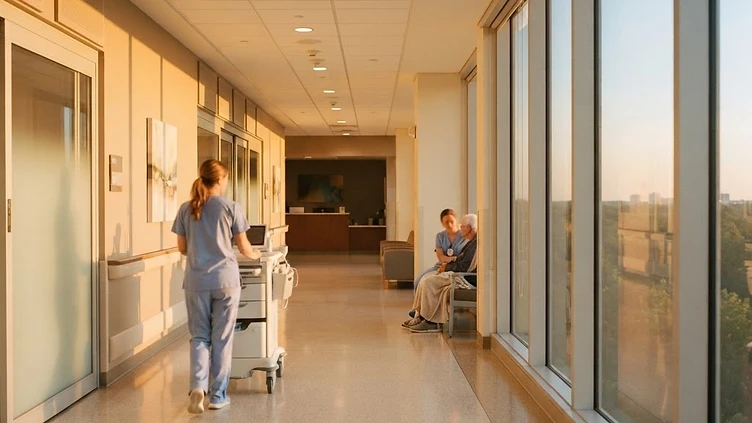
A New Standard for Young Patients
In the heart of the Midlands, a quiet revolution in paediatric care is gaining momentum, promising a safer future for children across . A pioneering initiative, known as or PEWS, is changing the landscape of how hospitals monitor the health of their youngest patients. By creating a standardised framework for identifying signs of deterioration, the programme ensures that every child receives consistent, timely attention, regardless of which hospital they are visiting. This vital project represents a sophisticated blend of digital innovation and human expertise, reflecting a deep-seated commitment to patient safety that is being championed by clinicians and health experts nationwide.
The Midlands at the Forefront of Care
The journey to this national standard has been driven by a collaborative spirit that spans the country, yet the foundations were firmly laid by innovators in the West Midlands. Leading clinical voices from Birmingham Women’s and have been instrumental in shaping this framework. These educators and safety experts have worked tirelessly to translate complex clinical needs into a cohesive system that works in real-world hospital settings. Their leadership, alongside partnerships with NHS England, the of Paediatrics and Child Health, and the Royal College of Nursing, has ensured that the system is both robust and practical. Building upon the groundwork laid by the 2020 programme, or SPOT, this new evolution represents a significant leap forward in our national approach to paediatric health.
Trusting the Clinical Instinct
One of the most remarkable aspects of the PEWS initiative is how it acknowledges the human element of medicine. While the system provides a structured, digital way to track vital signs, it deliberately incorporates the power of clinical intuition. The programme recognises that nurses and doctors often hold insights that go beyond simple numerical data. If a clinician feels that something is wrong, even when vital signs appear to be within the expected range, the system provides a clear pathway for them to escalate care. This formalised trust in professional judgment ensures that children are protected by both technology and the experienced eyes of those who care for them every day. It empowers staff to act decisively when they notice subtle changes, ensuring that concerns are addressed before a situation becomes critical.
Ensuring Harmony in Communication
Beyond the technical implementation, PEWS is fostering a common language across English hospitals. By adopting a standardised approach, clinicians from Cornwall to Cumbria can share a shared understanding of a child’s health status, reducing the variation in care quality that has historically been a challenge for the NHS. This uniformity is crucial for ensuring that every child, whether in an emergency department or a ward, benefits from the same high standard of vigilance. Furthermore, the system places a strong emphasis on communication with those who know the child best: their parents and carers. By keeping families informed and involved in discussions about a child's health, the initiative promotes a collaborative environment where everyone is working toward the same goal of recovery and wellbeing. This focus on transparency and partnership is a hallmark of modern safety efforts, aligning with other national measures such as to place the patient at the centre of the care experience.
Looking Toward a Safer Future
As we look toward 2026 and beyond, underscores that the success of such digital technologies is not just about the software, but about the people behind the screens. The importance of staff motivation and individual agency has been highlighted as a critical factor in how effectively these systems are adopted. To support this, a national of Practice has been established, allowing staff from across the country to share their learning, swap best practices, and refine the system as it continues to evolve. This ongoing exchange of knowledge ensures that the PEWS framework remains a living, breathing tool that adapts to the needs of the NHS. The optimism surrounding this programme is palpable, as it demonstrates what can be achieved when clinical expertise, patient-centred values, and collaborative innovation come together. By empowering nurses and doctors with better tools and a clearer, more unified approach to monitoring, the NHS is taking a monumental step toward ensuring that every child in England is kept as safe as possible. The dedication of the teams involved, particularly those who have brought the expertise of the Midlands to the national stage, serves as a beacon of progress in the ongoing mission to elevate the quality of paediatric care for generations to come.
Originally reported by
All rights in the original reporting remain with the publishers below.
Originally reported by theguardian.com. Our feature is written independently from verified facts — please support the original reporting:
Read the original storyRelated Wins

 Health
Man reunited with paramedics who saved his life after cardiac arrest at work
A local man in Alsager experienced a heartwarming reunion with the emergency responders and colleagues who helped save his life following a sudden cardiac arrest at his workplace.
North of England · 7 hours ago

 Health
NEW NHS SYSTEM EMPOWERS PARENTS TO PROTECT CHILDREN’S HEALTH
A pioneering national early warning system is transforming how hospitals across England identify and respond to childhood illness by standardising vital sign monitoring and placing parental concerns at the heart of clinical decision-making. This vital initiative ensures that if a parent or carer senses their child is deteriorating, their voice acts as an immediate trigger for an urgent medical review, regardless of current monitor readings.
London & South · 8 hours ago

 Health
A routine check-up found symptomless prostate cancer - this test saved my life
A routine medical appointment has proven to be a life-changing event for a patient who discovered they had symptomless prostate cancer. This story serves as a powerful reminder of how proactive health monitoring can lead to early intervention and successful outcomes for one of the most common conditions affecting men.
London & South · 20 hours ago
The Sunshine Digest
One bright email each week — verified good news only, unsubscribe in a click.