Masters of Illusion: Celebrating Ten Years of the West End's Most Magical Production
The creative team behind Harry Potter and the Cursed Child are marking a decade of theatrical innovation at London's Palace Theatre. By eschewing modern digital effects in favour of traditional physical illusions, the production has redefined the possibilities of live stagecraft for millions of visitors.
The story in 20 seconds
20Harry Potter and the Cursed Child officially premiered at London's Palace Theatre on July 30, 2016.
The production marks its tenth anniversary in the West End in July 2026.
The play was authored by Jack Thorne, developed from an original story by J.K. Rowling, John Tiffany, and Thorne.
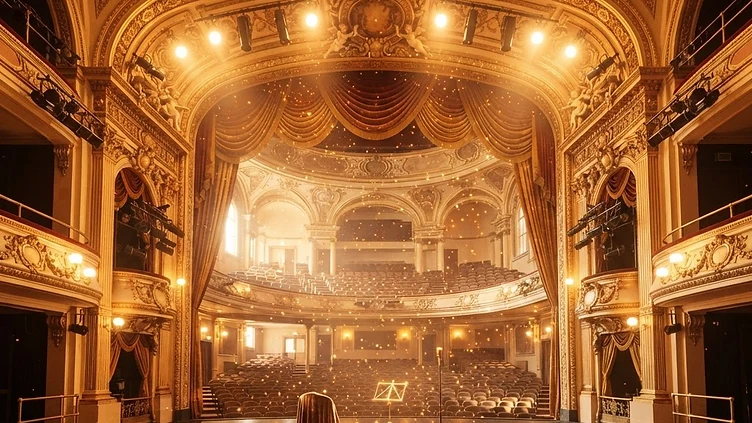
A Decade of Spellbinding Magic In London
As the summer of 2026 descends upon the capital, the historic Palace Theatre finds itself at the centre of a truly remarkable cultural milestone. It is a full ten years since the world premiere of and the Cursed Child took place on July 30, 2016, and the production shows no sign of losing its grip on the imagination of theatregoers. This anniversary is far more than a mere date on a calendar; it is a celebration of a decade spent redefining what is possible within the four walls of a traditional venue. For millions of visitors, this two-part stage epic has become a touchstone of live entertainment, proving that the ancient art of stagecraft can still outshine the most sophisticated digital alternatives. From the moment the curtain first rose, the production established itself as a modern classic of British dramatic literature, a status it has comfortably maintained throughout its ten-year tenure in the heart of .
The Triumph of Physical Artistry
At the core of the show’s enduring appeal lies a commitment to tangible, tactile theatre. While contemporary blockbusters often lean heavily on LED screens and computer-generated imagery, the team behind this production took a radically different path. Illusion designer , working alongside director , pioneered a language of magic that relies entirely on traditional mechanical effects and ingenious stagecraft. There is a palpable, organic wonder in seeing the '' transformation sequence performed live before one’s eyes. It is a credit to the artistic rigour of the production that such moments are achieved without the safety net of camera tricks or cinematic editing. This refusal to depend on digital projection ensures that every member of the audience shares a raw, immediate experience. Whether it is characters navigating the shifting, Victorian-inspired architectural spaces designed by Christine Jones, or the breathtaking sequences involving a massive, purpose-built water tank embedded in the stage floor, the craft on display remains a testament to the skill of human hands. These are not merely special effects; they are carefully choreographed feats of engineering that bring a sense of genuine mystery back to the theatre.
A Legacy Built on Creative Brilliance
The production’s journey began with the creative vision of Jack Thorne, who authored the play based on an original story developed in collaboration with J.K. Rowling and John Tiffany. Their work created a foundation that allowed original lead actor to define the adult Harry Potter with such depth that it anchored the entire sprawling narrative. Since its inception, the show’s influence has rippled far beyond the West End, finding homes in international cultural hubs including New York, Melbourne, Hamburg, and Tokyo. Yet, it is here in London that the heartbeat of the production remains loudest. The sheer consistency of its high attendance figures has provided a significant boost to the UK theatre economy, anchoring a sector that thrives on such ambitious, long-running successes. This success is underpinned by the distinctive movement language choreographed by Steven Hoggett, which gives the play a fluidity that bridges the gap between traditional drama and modern choreography. The play’s structure, split across two parts that can be enjoyed in a single marathon day or spread over two consecutive evenings, has also encouraged a communal, immersive way of engaging with live storytelling that has resonated deeply with diverse audiences. It is little wonder that the show became the most awarded production in the history of the Awards, securing a record nine trophies in 2017 alone.
Looking Forward to Future Wonders
As we reflect on this ten-year anniversary, it is clear that the impact of Harry Potter and the Cursed Child reaches beyond its accolades. It has served as a masterclass in how to sustain a high-budget production while respecting the intimacy of a historic venue like the Palace Theatre. By eschewing the digital trends of the age, the creative team has preserved the sanctity of the live stage as a place where the impossible becomes plausible through sheer ingenuity. This milestone serves as a vital reminder of the creative brilliance present within the British theatre industry. It proves that there is an insatiable appetite for work that honours the traditions of stagecraft while pushing the boundaries of narrative and design. As the curtains rise on yet another performance this July, the focus remains on the magic created by human talent—the lighting, the mechanical shifts, and the physical performances that have captivated millions. For a decade, this production has been a beacon of excellence, and its continued success suggests that the wonder it generates will persist for years to come. It is a glorious chapter in the history of the West End, one that demonstrates that when artistry and innovation collide, the results are nothing short of magical.
Originally reported by
All rights in the original reporting remain with the publishers below.
Originally reported by ‘There’s so much magic!’: how we made Harry Potter and the Cursed Child. Our feature is written independently from verified facts — please support the original reporting:
Read the original story- ‘There’s so much magic!’: how we made Harry Potter and the Cursed Child
- “Standing on the shoulders of giants”: the cast of Harry Potter and the Cursed Child on 10 years of magic in the West End
- Harry Potter and the Cursed Child celebrates 10 years in the West End - BroadwayWorld
- Harry Potter and the Cursed Child celebrates 10 years in the West End - London Theatre Direct
Related Wins

 Culture
Local Students Bring Spooky Fun to the Stage
Young performers in Mid Cheshire are preparing to delight audiences this October with a lively production of The Addams Family musical, showcasing the dedication and artistic development of local youth.
North of England · 1 hour ago

 Sport
SportCHESS PRODIGIES BREAK BARRIERS IN NATIONAL LEAGUE DEBUT
The 'She Plays to Win' Lionesses have made history by competing in the top division of the Four Nations Chess League, marking the culmination of three consecutive promotions. Despite facing unique regulatory challenges regarding team composition, the squad continues to demonstrate exceptional skill and camaraderie at the highest level of British chess.
London & South · 1 hour ago

 Science
NEW PATHWAYS TO DIAGNOSIS: CAMBRIDGE STUDY SHEDS LIGHT ON AUTOIMMUNE HEALTH
A landmark study from the University of Cambridge is paving the way for more accurate medical care by highlighting critical gender disparities in the diagnosis of autoimmune conditions. By identifying how and why these misdiagnoses occur, researchers are providing the evidence needed to ensure patients receive faster, more effective support for their physical health.
London & South · 1 hour ago
The Sunshine Digest
One bright email each week — verified good news only, unsubscribe in a click.