Manchester Cultural Landmark Reclaims Its Mission With Visionary Rebirth Celebrating East And Southeast Asian Art
Manchester’s prominent non-profit visual arts venue has completed a transformative rebirth under its renewed identity as esea contemporary, overcoming past institutional turbulence to build an inclusive cultural sanctuary. The award-winning Northern Quarter institution is now actively expanding artistic platforms, community collaborations, and public engagement for artists across East and Southeast Asian diaspora communities.
The story in 20 seconds
20The venue operates from an award-winning renovated building in Manchester’s Northern Quarter on Thomas Street, designed by OMI Architects and recognised with a RIBA award in 2004.
The organisation originally traced its roots back to 1986 as a community-led Chinese Visual Arts Festival, officially incorporating in June 1987.
Previous institutional identities include the Chinese View Arts Association (1987–2000), Chinese Arts Centre (2000–2015), and Centre for Chinese Contemporary Art (2015–2022).
A New Dawn in the Northern Quarter
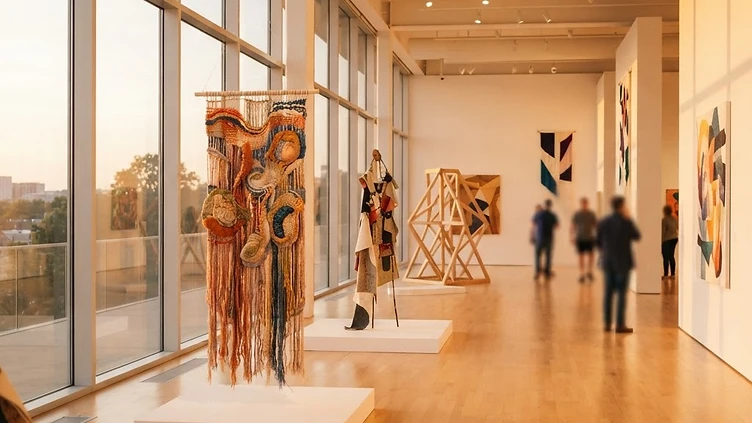
In the heart of ’s historic Northern Quarter, tucked away within the beautifully repurposed Market Buildings on Thomas Street, a quiet revolution is taking place. This award-winning site, which earned a prestigious RIBA award in 2004 for its architectural elegance, has become the home of a renewed cultural beacon. Known today as , the venue is far more than just a gallery space; it is a sanctuary for artistic expression and community connection, standing as the only non-profit institution in the dedicated exclusively to the work of East and diaspora artists.
The building itself, with its thoughtful design by , provides a bright, inviting atmosphere that reflects the institution's fresh perspective. After facing significant internal challenges and a difficult period of closure in 2021, the organisation has undergone a profound transformation. By directly addressing past controversies surrounding governance and cultural sensitivity, the centre has successfully charted a course toward a more inclusive and trustworthy future. This rebirth is a testament to the power of listening, as the current leadership has prioritised the voices of the diaspora artists who were once excluded, effectively turning the page on a turbulent history to build something lasting and meaningful.
Honoring Roots and Embracing Growth
To understand the significance of this revival, one must look back at the origins of the project. The organisation traces its history all the way back to 1986, when it began as a grassroots initiative known as the . By June 1987, it had officially incorporated, beginning a long journey that would see it operate under several names, including the , the Chinese Arts Centre, and the Centre for Chinese Contemporary Art. Over the decades, it evolved from those humble community-led beginnings into a significant fixture in the UK arts scene, ultimately arriving at its present identity under the banner of esea contemporary.
The shift to the 'ESEA' acronym is perhaps the most defining aspect of this evolution. By broadening its scope beyond exclusively Chinese art to encompass the wider experiences and diverse perspectives of artists of East and Asian descent, the gallery has revitalised its mission. It now acts as a vital platform for creative talent that spans both regional boundaries and international borders. By welcoming artists like Audrey Albert, Isaac Chong Wai, and the textile innovator Marcos Kueh, the centre creates a dynamic dialogue between global contemporary art and the rich, specific cultural experiences of the diaspora.
Cultivating a Creative Sanctuary
The impact of esea contemporary extends well beyond the hanging of art on walls. It is a hub of community activity, offering a variety of facilities that encourage deep engagement with the arts. Visitors can explore the galleries, attend events, or spend time in the independent community library and resource area. For artists, the venue provides dedicated residency accommodation, allowing them the space and time to produce work in a supportive environment. The commitment to accessibility is absolute, with the gallery maintaining free general admission to ensure that every member of the public, regardless of their socio-economic background, can enjoy and participate in the creative life of the city.
This inclusivity is particularly meaningful given Manchester’s status as a host to one of the largest and most vibrant East Asian and Asian diaspora populations in the country. By offering a space outside of the traditional London-centric cultural bubble, esea contemporary provides a crucial resource for the North of England. It is a place where cross-generational storytelling workshops take root, bridging the gap between local grassroots initiatives and professional international practice. The centre proves that art is not just something to be observed; it is something to be lived, shared, and debated by the people who form the fabric of the community.
Looking Toward the Future
As the organisation moves through its 2025–2026 seasons, the energy within the Market Buildings is palpable. The process of rebuilding trust has not been easy, yet it has undoubtedly made the institution more resilient and more relevant. By confronting the difficult questions that led to its 2021 closure, the centre has emerged not just restored, but reinvented. It stands as a beacon for what is possible when an organisation commits itself to openness, transparency, and a genuine celebration of its community.
For residents of Manchester and visitors from across the UK, this renewed institution offers a rare and beautiful opportunity to engage with perspectives that have historically been underrepresented in the mainstream. The story of esea contemporary is one of reclamation—a reclamation of space, of voice, and of mission. It is a reminder that even the most well-established cultural landmarks must occasionally stop to look inward, listen to their constituents, and realign their values. With a firm foundation now in place, the gallery is poised to remain a vital, forward-looking force in the British arts landscape for many years to come.
Originally reported by
All rights in the original reporting remain with the publishers below.
Originally reported by theguardian.com. Our feature is written independently from verified facts — please support the original reporting:
Read the original storyRelated Wins

 Culture
LITERARY TALENT SHINES IN DECADE-LONG CELEBRATION OF NEW VOICES
The prestigious 4thWrite short story prize has unveiled its latest shortlist, highlighting a diverse array of emerging literary talent as the competition marks its tenth anniversary. This annual initiative continues to provide a vital platform for unpublished writers of colour, offering them professional development and national recognition.
London & South · 4 hours ago

 Tech
TechNorthumberland Voters Shape Local Future in By-Election Results
Voters in Northumberland have participated in a democratic exercise to fill two vacant council seats, marking a significant moment for local representation in the North of England. The community-led process saw residents head to the polls to determine the future leadership of the Amble and Hirst wards.
North of England · 4 hours ago

 Culture
A Musical Legacy Reunited: Iconic Brass Band Marks 30 Years of British Cinema
The legendary Grimethorpe Colliery Band has returned to the Royal Albert Hall to celebrate the 30th anniversary of the beloved film Brassed Off with a special live performance. This milestone event honours the enduring spirit of the Yorkshire mining community and the powerful, unifying role of brass music in British culture.
North of England · 10 hours ago
The Sunshine Digest
One bright email each week — verified good news only, unsubscribe in a click.