London Streets Set for Autonomous Revolution as Wayve and Uber Secure Landmark License
A British AI startup and a global ride-hailing giant have received official approval to launch self-driving minicabs across the capital this summer. This milestone marks the first time such a license has been granted in London, signaling a major leap forward for the UK’s autonomous vehicle industry.
The story in 20 seconds
20Wayve is a British artificial intelligence startup headquartered in London.
Transport for London (TfL) officially granted the partnership the first minicab license for autonomous vehicles in August 2026.
The self-driving taxi service is slated to launch on London streets before the end of summer 2026.
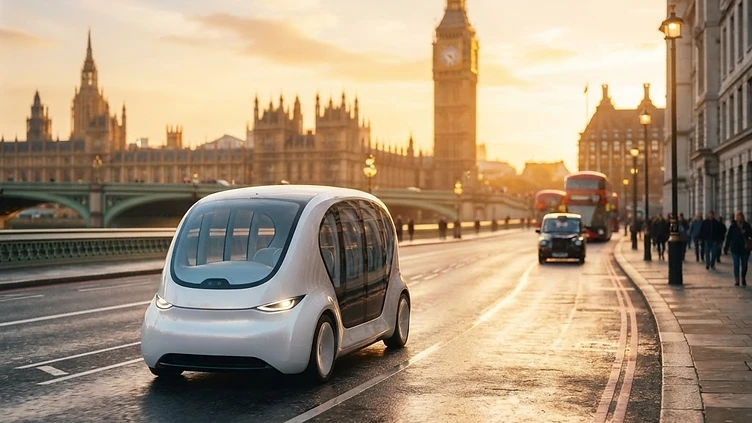
A New Dawn for London Transit
As the sun begins to set on the traditional view of urban , is standing on the brink of an extraordinary technological transformation. This summer, the capital is set to become the stage for a groundbreaking experiment in mobility as , a pioneering artificial intelligence startup, joins forces with the global ride-hailing giant Uber. Together, they have achieved a milestone that many once thought was decades away, securing the first-ever private hire license for autonomous vehicles in the city. This partnership, developed in close coordination with Transport for London, marks the official start of a journey that will see self-driving minicabs navigating the iconic streets of the capital before the season concludes. It is a moment that shifts the narrative of London from a historic hub of finance and culture to a vibrant testing ground for the future of the autonomous vehicle industry.
Intelligent AI Learning the Roads
At the heart of this revolution is a uniquely sophisticated approach to machine learning developed by London-based Wayve. Rather than relying on static, high-definition maps that can quickly become obsolete, the company utilizes a proprietary technology known as AV2.0. This system employs embodied artificial intelligence that learns from experience, much like a human driver would, processing complex video data to recognize environmental patterns in real-time. The technology has been rigorously refined through a global roadshow, where a single system demonstrated its capability by successfully navigating ninety different cities across Europe, , and Asia. This ability to handle diverse urban landscapes without being shackled to pre-programmed, hand-coded rules gives Wayve a distinct advantage in the unpredictable and bustling environment of London. It represents a fundamental shift in how machines perceive and interact with the world around them.
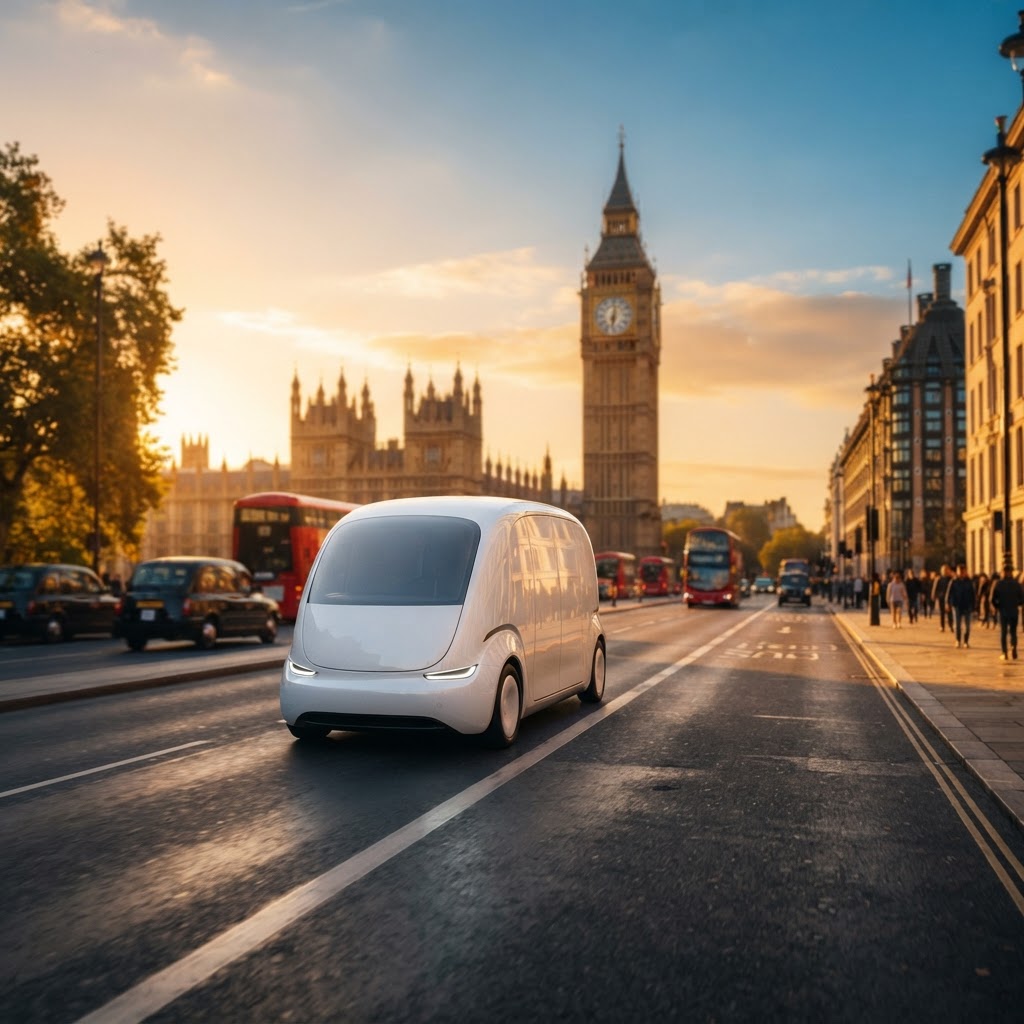
The Safety First Approach
While the technology itself is incredibly advanced, the rollout of this service is characterized by a commitment to caution and public trust. During the initial phase of this launch, every autonomous vehicle on the road will be accompanied by a human safety driver. This ensures that a watchful eye is always present, ready to intervene if necessary while the AI continues to learn and adapt to the specific nuances of London traffic. It is a pragmatic bridge between the world we know today and the fully autonomous future that lies ahead. Passengers who are curious to experience this new mode of transport will find the process refreshingly familiar. The service will be integrated directly into the existing Uber mobile application, making the transition as seamless as tapping a button on a smartphone. This ease of access is key to the company’s vision, aiming to normalize the presence of self-driving cars within the everyday routine of Londoners.
A Catalyst for National Growth
Beyond the immediate convenience of booking a ride, this landmark license represents a massive shot in the arm for economy. The government has clearly recognized the potential here, signing a Memorandum of Understanding with Wayve to support the responsible deployment of this technology. The stakes are significant, with from the Department for Business and Trade suggesting that the autonomous vehicle sector could contribute a staggering £42 billion to the UK economy by 2035. This is not merely an exercise in corporate innovation; it is a strategic economic shift. The industry is poised to act as a significant engine for employment, with estimates suggesting the creation of up to 38,000 new jobs over the next decade. As the UK cements its position as a global leader in AI development, the presence of these autonomous vehicles on London streets serves as a tangible signal to the rest of the world that Britain is open for high-tech business.
Global Backing for British Innovation
The scope of this ambition is supported by significant financial muscle, proving that the world is watching what happens in the UK. Wayve recently successfully closed a C funding round that brought in an impressive $1.5 billion, or approximately £1.1 billion. This stands as one of the largest capital raises for any British artificial intelligence company, reflecting immense confidence in their technology. The investment round included major global players such as Microsoft, Nvidia, and SoftBank. These entities are not just betting on a software update; they are investing in the infrastructure of the future. The funding provides the resources needed to transition from the current supervised phase to the eventual goal of Level 4 autonomy. Level 4 represents the holy grail of this sector, allowing for fully driverless operation in specific, defined conditions, and the collaboration between Wayve and Uber is the vehicle through which this dream will be realized.
The Legal Framework for Tomorrow
None of these advancements would be possible without the careful groundwork laid by the UK's legal system. The recent implementation of the Automated Vehicles Act has provided the necessary clarity and framework to allow such services to operate securely and lawfully. By defining the responsibilities and standards for self-driving cars, the government has provided a clear roadmap for companies to innovate without compromising safety. This legislative foresight is what makes London an ideal environment for this type of deployment. The confidence of regulators, combined with the technological prowess of Wayve, creates a synergy that is hard to replicate elsewhere. It ensures that as the technology evolves, so too does the protection for the public, creating a balanced and orderly progression toward an autonomous future.
Looking Toward the Horizon
As we look further ahead, the implications of this summer's launch are vast. Wayve has already signaled that its ambitions extend beyond public ride-hailing services. The company is actively working toward deploying its supervised autonomy software in consumer vehicles by as early as 2027. This means that the technology currently navigating London's minicabs could soon be integrated into the private cars owned by everyday citizens. It is a vision of the future where the stress of driving, the complexities of navigation, and the safety concerns of the road are mitigated by intelligent, learning systems. As London prepares for the first self-driving cars to hit the streets this summer, it is clear that we are witnessing the start of a chapter that will redefine urban living. With a solid legal foundation, robust investment, and a cautious but optimistic rollout, the autonomous revolution is no longer a concept in a science fiction novel. It is arriving in the capital, powered by British innovation and the spirit of progress.
Originally reported by
All rights in the original reporting remain with the publishers below.
Originally reported by theguardian.com. Our feature is written independently from verified facts — please support the original reporting:
Read the original storyRelated Wins

 Sport
SportCHESS PRODIGIES BREAK BARRIERS IN NATIONAL LEAGUE DEBUT
The 'She Plays to Win' Lionesses have made history by competing in the top division of the Four Nations Chess League, marking the culmination of three consecutive promotions. Despite facing unique regulatory challenges regarding team composition, the squad continues to demonstrate exceptional skill and camaraderie at the highest level of British chess.
London & South · 1 hour ago

 Science
NEW PATHWAYS TO DIAGNOSIS: CAMBRIDGE STUDY SHEDS LIGHT ON AUTOIMMUNE HEALTH
A landmark study from the University of Cambridge is paving the way for more accurate medical care by highlighting critical gender disparities in the diagnosis of autoimmune conditions. By identifying how and why these misdiagnoses occur, researchers are providing the evidence needed to ensure patients receive faster, more effective support for their physical health.
London & South · 1 hour ago

 Tech
TechNEW SUPERMARKET GREEN-LIT FOR WARWICKSHIRE
A new Lidl supermarket has been granted planning permission in Warwick, marking a significant step forward for local retail infrastructure. The development will transform a vacant industrial site into a modern shopping facility, bringing new investment and convenience to the community.
Midlands · 1 hour ago
The Sunshine Digest
One bright email each week — verified good news only, unsubscribe in a click.