LONDON’S URBAN JUNGLE LIVES ON IN HUNDREDS OF HOMES AS BARBICAN SHARES HISTORIC PLANT COLLECTION
The Barbican Conservatory is distributing thousands of plant cuttings to the public to ensure its botanical legacy continues during a major four-year renovation. This community-led initiative allows residents to adopt a piece of the city's "green lung" while the site undergoes upgrades to improve sustainability and accessibility.
The story in 20 seconds
20The Barbican Conservatory is the second-largest greenhouse in London, surpassed only by Kew Gardens.
More than 2,000 plant cuttings are being prepared for distribution to the public.
The initiative is a formal partnership between the Barbican and the reuse specialists Wayward Plants.
A Living Legacy Finds New Homes
London is witnessing a remarkable botanical exodus as one of its most storied green spaces begins a period of quiet transition. For decades, has stood as an architectural icon, a glass-walled sanctuary that provides a lush, tropical contrast to the city's concrete sprawl. Now, as this Grade-II listed landmark prepares for a comprehensive and ambitious four-year renovation, its sprawling internal ecosystem is being carefully shared with the wider community. Thousands of Londoners are getting the rare opportunity to adopt a living piece of history, ensuring that the legacy of this celebrated urban jungle thrives in windowsills and living rooms across the city while the conservatory undergoes its essential transformation.
Preserving a Botanical Treasure
The Barbican Conservatory is a site of immense horticultural importance, holding the title of the second-largest greenhouse in London, outsized only by the world-famous Kew Gardens. Since opening its doors to the public in 1984, it has nurtured a staggering array of life, currently housing 2,000 unique species of tropical plants and trees. The story of these plants is deeply woven into the fabric of the Barbican itself, with many of the parent specimens having been originally cultivated on the roof of the during the 1980s. To protect this heritage during the upcoming structural upgrades, the Barbican Centre has entered into a formal partnership with the reuse organisation , launching an initiative that balances the necessity of construction with the preservation of biodiversity. This project is a central element of the wider £231 million , a massive undertaking that will see the site undergo significant infrastructure improvements including new waterproofing, heating, glazing, and irrigation systems. By distributing over 2,000 cuttings, the team ensures that the conservatory’s unique botanical character persists even while the physical structure is temporarily off-limits.
A Community Embraces Greenery
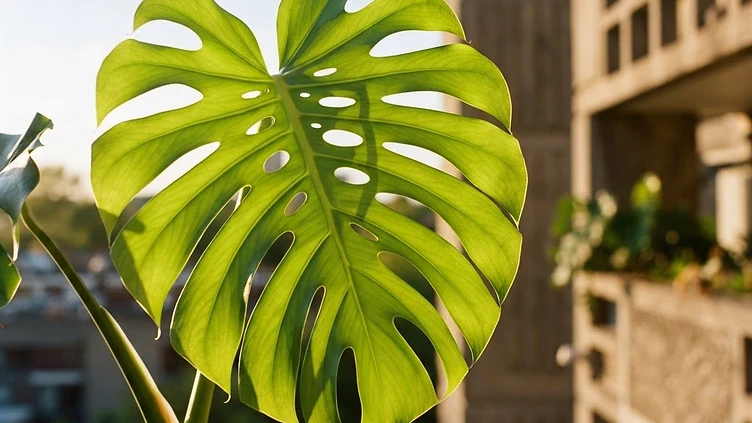
The enthusiasm for this initiative has been immediate and heartwarming. On , August 19, 2026, the first public adoption event saw approximately 500 visitors arrive to claim their new green companions. The collection available for adoption offers a vibrant slice of the conservatory's diversity, ranging from the dramatic, giant-leafed monstera and glossy ficus to the colourful, trailing purple-and-green tradescantia. For those who missed the initial launch, the opportunities continue throughout the remainder of 2026, with further adoption dates confirmed for 13 and December 2. In a thoughtful gesture to inspire the next generation of plant enthusiasts, a dedicated event for members has been scheduled for November 29. This programme is about more than just redistribution; it is a community-led celebration of the conservatory’s role as an urban lung, fostering a deeper connection between residents and the nature that sustains their city. It represents a rare instance where a major structural overhaul serves as a catalyst for public engagement, allowing individuals to become stewards of a collection that has defined a corner of London for over four decades.
Designing for a Greener Future
The scope of the Barbican Renewal project is as precise as it is expansive, with landscape specialists Harris Bugg Studio overseeing the design to ensure the site’s historic integrity is maintained. The challenge is significant; as a Grade-II listed site, every intervention requires meticulous planning and specialised care to balance the botanical needs of the tropical collection with modern requirements. However, the vision for the future is exceptionally bright. Once the renovation is completed and the conservatory reopens in 2030, the facility will transition from its current limited opening hours to daily public access. This shift is designed to make the space more inclusive, with plans for improved irrigation and structural resilience paired with essential step-free access for all visitors. The current plant adoption scheme is a poignant prologue to this new era, acting as a bridge between the site’s storied past and its modern, accessible future. By inviting the public to nurture these cuttings, the Barbican is effectively expanding the reach of its botanical garden, spreading the spirit of the city's urban jungle far beyond its glass walls. It is a testament to the resilience of both the plants and the community, ensuring that the legacy of this historic collection remains a vibrant, growing presence in the lives of Londoners as the countdown to 2030 begins.
Originally reported by
All rights in the original reporting remain with the publishers below.
Originally reported by Monstera magic: Barbican hands out cuttings as ‘green lung of the city’ closes. Our feature is written independently from verified facts — please support the original reporting:
Read the original storyRelated Wins

 Sport
SportCHESS PRODIGIES BREAK BARRIERS IN NATIONAL LEAGUE DEBUT
The 'She Plays to Win' Lionesses have made history by competing in the top division of the Four Nations Chess League, marking the culmination of three consecutive promotions. Despite facing unique regulatory challenges regarding team composition, the squad continues to demonstrate exceptional skill and camaraderie at the highest level of British chess.
London & South · 2 hours ago

 Science
NEW PATHWAYS TO DIAGNOSIS: CAMBRIDGE STUDY SHEDS LIGHT ON AUTOIMMUNE HEALTH
A landmark study from the University of Cambridge is paving the way for more accurate medical care by highlighting critical gender disparities in the diagnosis of autoimmune conditions. By identifying how and why these misdiagnoses occur, researchers are providing the evidence needed to ensure patients receive faster, more effective support for their physical health.
London & South · 2 hours ago

 Environment
A NATURAL REVIVAL FOR BARNES GREEN
A major river restoration project has successfully transformed the Beverley Brook at Barnes Green into a thriving, natural habitat. This initiative has introduced a meandering river channel and a new island, significantly boosting local flood resilience and biodiversity.
London & South · 8 hours ago
The Sunshine Digest
One bright email each week — verified good news only, unsubscribe in a click.