London neurosurgeons perform first successful AI-assisted operation to remove brain tumour
London neurosurgeons have successfully performed the world’s first operation to remove a brain tumour using real-time artificial intelligence assistance. This pioneering procedure allowed the surgical team to identify and avoid critical brain structures with unprecedented precision, marking a significant advancement in neurosurgical safety and patient outcomes.
The story in 20 seconds
20The procedure is the first of its kind globally to use live AI assistance during a brain tumour operation.
The AI system provides real-time analysis of surgical camera footage.
The primary goal of the AI integration is to identify and protect critical anatomy that must be avoided during surgery.
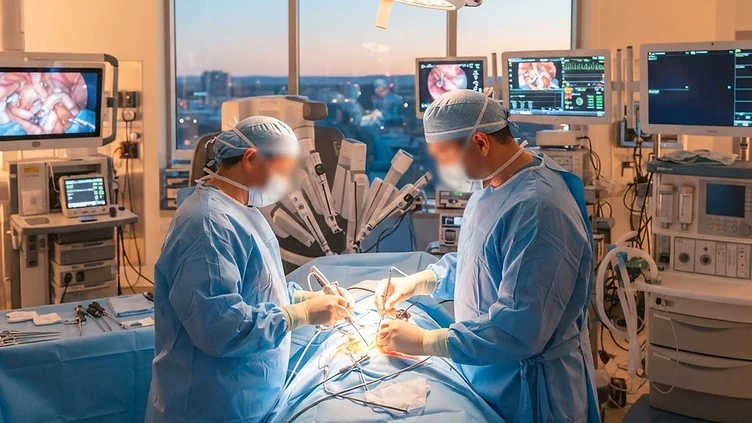
A New Dawn for British Neurosurgery
In the heart of , a quiet revolution in medical technology has arrived, marking a monumental shift in how we approach the most delicate of procedures. August 2026 will long be remembered by the medical community as the moment artificial intelligence stepped from the realm of theory into the operating theatre to save a life. Surgeons working within the capital have achieved a global first, successfully removing a brain tumour with the assistance of real-time AI analysis of surgical camera footage. This breakthrough represents a significant leap forward in the capabilities of surgical teams, blending human expertise with machine precision to reach outcomes once thought to be on the very edge of possibility. The patient at the centre of this historic moment, , faced a challenging diagnosis, but his successful surgery has provided a beacon of hope for patients across the country who are navigating similar paths. This landmark operation in London is not merely a technical triumph; it is a profound development that promises to rewrite the safety standards of high-stakes neurosurgery across the United Kingdom.
Precision Beyond the Human Eye
The core of this innovation lies in system’s ability to act as a sophisticated visual aid for the surgical team during the intense pressure of a tumour resection. As surgeons navigated the complexities of the brain, the technology provided real-time analysis of the feed from the operating camera, essentially offering a secondary, highly advanced set of eyes. This digital companion excels at distinguishing between tumour tissue and healthy brain matter, a distinction that is vital when operating in such a confined and sensitive environment. For Rhys Hibbert, the stakes could not have been higher, as his tumour threatened his very ability to see. The goal of the integration was to ensure that critical anatomy was identified and protected, preventing collateral damage to essential structures. The outcome was a resounding success, as the surgical team was able to remove the growth while fully preserving the patient’s eyesight. This successful preservation of function underscores exactly why this AI integration is being hailed as a major milestone, demonstrating that machine learning can be a guardian of human health in the most critical of moments.
Years of Research Realised
While this operation took place in August 2026, it is the culmination of years of dedicated research into AI-assisted surgical navigation. The path to this achievement has involved extensive testing and development, aimed at creating a reliable framework where technology can seamlessly support human surgeons. By providing enhanced clarity and visual guidance, the system allows the surgical team to focus their expertise where it matters most, knowing that the technology is vigilantly mapping the anatomy to avoid delicate areas. The London-based team that conducted the procedure has successfully integrated this complex software into the standard theatre workflow, proving that such high-tech tools can function effectively in real-world scenarios. This success is not the result of a single day of work but is the reward for persistent innovation in the field of surgical navigation. It represents a validation of the long-term investment in technology intended to make the most complex brain operations safer and more predictable. By effectively mapping out the terrain of the brain in real time, the technology ensures that the surgical team can proceed with a level of confidence and precision that was previously unattainable.
A Brighter Future for Patients
The success of this inaugural operation provides a new and robust framework for the future of neurosurgical interventions throughout the UK. As the medical community looks ahead, the integration of artificial intelligence into the operating room is poised to become a foundational element of care, offering increased safety and improved patient outcomes. The ability to distinguish between diseased and healthy tissue with such accuracy means that more patients may have access to complex surgeries that were previously considered too risky. This development is truly a cornerstone moment for London and the wider health sector, reflecting a forward-looking approach to medicine that prioritises the preservation of function and quality of life. For Rhys Hibbert, the personal impact is immeasurable, but for the rest of the country, this story serves as a testament to the power of human ingenuity. By embracing these advancements, we are moving toward an era where surgery is defined not just by the hands that perform it, but by the sophisticated intelligence that guides those hands towards a healthier tomorrow. As we reflect on this significant achievement in London, it is clear that the horizon of medical science is expanding, driven by technology that serves the most fundamental of human needs: the preservation of our health and the protection of our vital senses.
Originally reported by
All rights in the original reporting remain with the publishers below.
Originally reported by theguardian.com. Our feature is written independently from verified facts — please support the original reporting:
Read the original storyRelated Wins

 Sport
SportCHESS PRODIGIES BREAK BARRIERS IN NATIONAL LEAGUE DEBUT
The 'She Plays to Win' Lionesses have made history by competing in the top division of the Four Nations Chess League, marking the culmination of three consecutive promotions. Despite facing unique regulatory challenges regarding team composition, the squad continues to demonstrate exceptional skill and camaraderie at the highest level of British chess.
London & South · 2 hours ago

 Science
NEW PATHWAYS TO DIAGNOSIS: CAMBRIDGE STUDY SHEDS LIGHT ON AUTOIMMUNE HEALTH
A landmark study from the University of Cambridge is paving the way for more accurate medical care by highlighting critical gender disparities in the diagnosis of autoimmune conditions. By identifying how and why these misdiagnoses occur, researchers are providing the evidence needed to ensure patients receive faster, more effective support for their physical health.
London & South · 2 hours ago

 Health
Widnes youngster cutting hair after 10 years for good cause
A young Widnes resident has donated his hair after growing it for a decade to support children facing hair loss due to medical treatment.
North of England · 7 hours ago
The Sunshine Digest
One bright email each week — verified good news only, unsubscribe in a click.