London Embarks on Historic £1.8 Billion Transformation of City Waterways
A major ten-year strategy has been launched to revitalize London’s 600-kilometer network of rivers and canals, aiming to transform neglected channels into thriving, swimmable blue spaces through a multi-partner £1.8 billion investment.
The story in 20 seconds
20The Clean Rivers and Waterways plan is a 10-year strategy launched by the Mayor of London.
The project is backed by a £1.8 billion investment from various partners.
Thames Water has pledged £1.7 billion for depolluting London's waterways.

A New Blue Future for London
London has long been defined by its iconic rivers and winding canal paths, yet for far too long, these vital veins of the capital have suffered from the weight of industrial legacy and environmental neglect. As of July 29, 2026, the story of these waters has taken a historic turn. A ambitious, ten-year strategy has been officially set into motion, promising to breathe fresh life into the 600-kilometer network of aquatic ecosystems that stitch the city together. This is not merely a cleanup operation; it is a fundamental reimagining of how Londoners interact with their natural environment. With a massive £1.8 billion investment package behind it, and Waterways plan aims to transform these often-overlooked channels into pristine, swimmable blue spaces that serve as the heartbeat of the capital's public life.
The scale of this undertaking reflects the gravity of the challenge, but the optimism surrounding the launch is palpable. Spearheaded by the Mayor of London and supported by an expansive coalition of over 50 partner organizations, the project seeks to rectify decades of damage. By focusing on restoration rather than simple maintenance, the plan invites residents to look at their local waterways not as boundaries to be crossed, but as destinations to be enjoyed. The vision is one of accessibility and ecological resilience, ensuring that the water flowing through the city is once again safe for recreation, leisure, and the native wildlife that once called these banks home.
The Anatomy of an Investment
At the core of this massive structural shift is a funding commitment that signifies unprecedented cooperation. The total budget for this decade-long endeavor stands at £1.8 billion, a figure that underscores the seriousness of the partners involved. A substantial portion of this capital, specifically £1.7 billion, has been pledged by , earmarking these funds specifically for the essential work of depolluting the rivers and canals that have struggled under years of contamination. This direct financial commitment is the engine room of the entire project, providing the resources necessary to tackle the complex infrastructure issues that have plagued the city's waterways.
The collaborative nature of this venture is perhaps its most striking feature. With over 50 organizations joining forces under the Mayor’s leadership, the plan benefits from a multifaceted approach to urban renewal. These partners bring together technical expertise, ecological oversight, and community advocacy, ensuring that the cleanup is managed with a long-term perspective. By pooling resources and expertise, the coalition is able to tackle the restoration of 550 hectares of high-quality habitat, a goal that would be impossible for any single entity to achieve alone. This is a unified front, built on the premise that the health of London’s water is inseparable from the health of the city itself.
Reclaiming the Urban Landscape
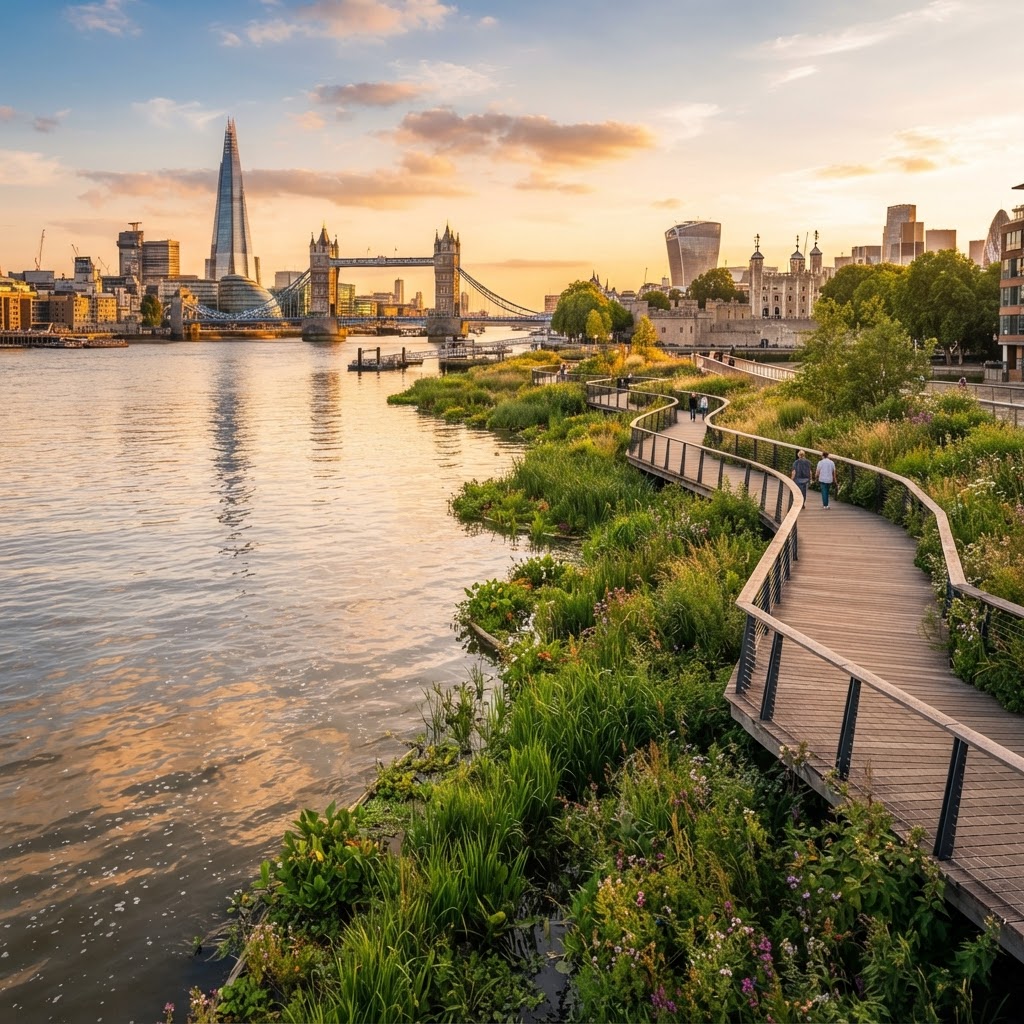
The geographical reach of the Clean Rivers and Waterways plan is vast, touching nearly every corner of the capital. From the tranquil stretches of the River Roding to the bustling environment of the Royal Docks and the historic paths of the Grand Union Canal, the project is designed to have a tangible impact on the daily lives of Londoners. The strategy identifies ten strategic locations that will serve as the focal points for the initial phase of restoration. These sites represent a diverse cross-section of London’s waterway network, acting as benchmarks for the success of the broader, city-wide recovery efforts.
Restoration in these areas is about more than just clearing debris; it is about creating high-quality, biodiverse habitats that can support a thriving natural world. For many, the idea that a London river could once again become a haven for wildlife might seem like a dream from a bygone era. However, the plan is grounded in the reality of ecological recovery. By cleaning the water and restoring the surrounding habitats, the initiative creates the necessary conditions for native species to return and flourish. It is a commitment to ensuring that the city’s natural beauty is preserved, protected, and enhanced for generations to come, allowing London to finally embrace its identity as a truly blue city.
Welcoming Back the Wild
One of the most exciting aspects of the ten-year strategy is the commitment to reintroducing native species that have long been absent from the capital's waterways. Among the creatures expected to make a return are beavers and water voles, both of which serve as indicators of a healthy, functioning ecosystem. The return of these species is a symbolic victory, signaling that the environment has reached a level of quality where nature can thrive once again. This reintroduction is not an isolated act but a central component of the biodiversity goal that underpins the entire £1.8 billion project.
Beyond the scientific benefits, the presence of these animals promises to bring a new sense of wonder to the city. Imagine the quiet joy of spotting a water vole along the Grand Union Canal or seeing the impact of beavers on the local ecosystem in the areas surrounding the River Roding. These interactions provide a unique link between the urban resident and the natural world, fostering a greater appreciation for the complexity and value of London’s aquatic life. As these habitats are restored, the city becomes a more vibrant and connected place, where the boundary between the built environment and the wild begins to blur in the most positive of ways.
Safety and the Swimmable City
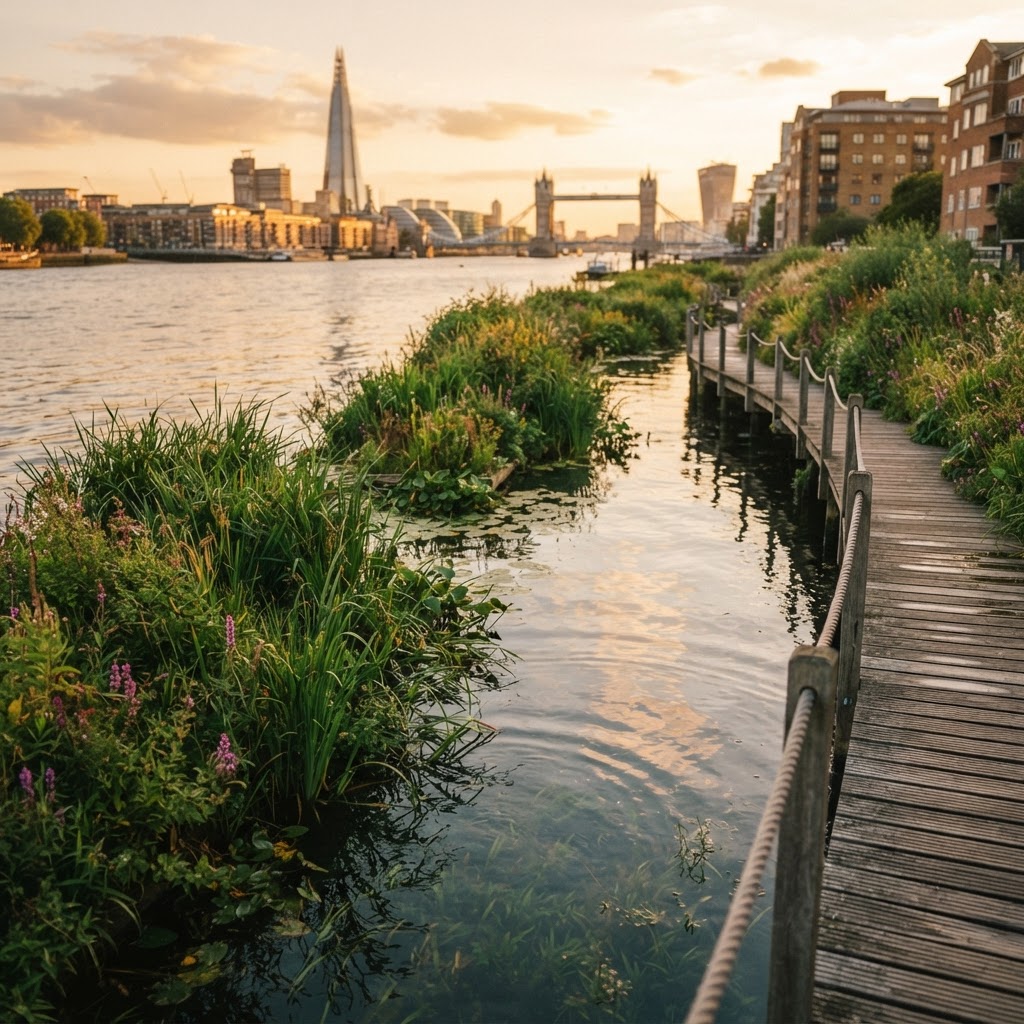
Perhaps the most ambitious and transformative aspect of the project is the promise to make the waterways safe for public swimming. For years, the idea of jumping into a London river would have been unthinkable, but the current plan is systematically removing the barriers that have made such activities dangerous. Through the concerted efforts to depollute and restore the aquatic ecosystems, the project aims to ensure that clean, safe water is accessible to all. This goal represents a radical shift in how we perceive the utility of our urban waterways, moving from industrial passage to recreational sanctuary.
Safety is the primary driver of these improvements. The depollution efforts funded by the massive £1.7 billion investment from Thames Water are specifically aimed at meeting the high standards required for public recreation. As the water quality improves, the vision for the future includes designated areas where Londoners can swim and play in the heart of the capital. This initiative elevates the quality of life for residents and visitors alike, offering a refreshing connection to the city that was previously restricted. The prospect of a swimmable London is a testament to the success of the ten-year strategy and the dedication of the 50 partner organizations involved.
A Blueprint for the UK
While the focus of the Clean Rivers and Waterways plan is firmly on London, the lessons learned over the next decade will likely resonate far beyond the capital. By tackling the complex issues of industrial pollution and environmental degradation at such a massive scale, London is creating a blueprint for other urban areas across the UK to follow. The success of this project could serve as a national model for how to restore biodiversity and improve public access to natural spaces in densely populated regions. It is an acknowledgment that the challenges faced by London’s waterways are not unique, and that the solutions developed here have broad applicability.
The investment and the strategy provide a clear path forward for other cities looking to improve their own environmental health. As the project matures and the 550 hectares of restored habitat begin to flourish, the data and experiences gathered by the partners will be invaluable. This initiative represents a step toward a cleaner, greener UK, where the health of the waterways is treated as a priority rather than an afterthought. It is a reminder that the environment can be restored if there is the political will, the financial commitment, and the collaborative spirit to make it happen.
An Optimistic Look Ahead
Looking forward to the conclusion of the ten-year term in 2036, the potential for transformation is immense. We are looking at a future where the River Roding, the Royal Docks, and the Grand Union Canal are no longer defined by their past neglect, but by their present vitality. The successful restoration of these waterways will mean cleaner water, more biodiversity, and new opportunities for the people of London to connect with nature. It is an optimistic vision, yet one that is supported by a concrete plan and significant financial backing.
As the project progresses through its phases, the cumulative effect of these changes will define the next decade of London’s development. The return of native species, the improvement of water quality, and the opening of new recreational spaces will collectively create a city that is more resilient and more pleasant to inhabit. The Clean Rivers and Waterways plan is not just about the water; it is about the future of London and the wellbeing of its people. By investing in the health of the environment today, the city is securing a better, brighter, and more natural tomorrow for everyone.
Originally reported by
All rights in the original reporting remain with the publishers below.
Originally reported by What went right this week: the good news that matters. Our feature is written independently from verified facts — please support the original reporting:
Read the original storyRelated Wins

 Sport
SportCHESS PRODIGIES BREAK BARRIERS IN NATIONAL LEAGUE DEBUT
The 'She Plays to Win' Lionesses have made history by competing in the top division of the Four Nations Chess League, marking the culmination of three consecutive promotions. Despite facing unique regulatory challenges regarding team composition, the squad continues to demonstrate exceptional skill and camaraderie at the highest level of British chess.
London & South · 1 hour ago

 Science
NEW PATHWAYS TO DIAGNOSIS: CAMBRIDGE STUDY SHEDS LIGHT ON AUTOIMMUNE HEALTH
A landmark study from the University of Cambridge is paving the way for more accurate medical care by highlighting critical gender disparities in the diagnosis of autoimmune conditions. By identifying how and why these misdiagnoses occur, researchers are providing the evidence needed to ensure patients receive faster, more effective support for their physical health.
London & South · 1 hour ago

 Environment
A NATURAL REVIVAL FOR BARNES GREEN
A major river restoration project has successfully transformed the Beverley Brook at Barnes Green into a thriving, natural habitat. This initiative has introduced a meandering river channel and a new island, significantly boosting local flood resilience and biodiversity.
London & South · 8 hours ago
The Sunshine Digest
One bright email each week — verified good news only, unsubscribe in a click.