Lab-Grown Human Organs Set to Revolutionise Medical Testing
Scientists in Cambridge have launched a major initiative to develop miniature human organs, offering a more precise alternative to traditional animal testing for drug development. By creating standardised human tissue models, this project aims to improve the accuracy of medical research and accelerate the discovery of life-saving treatments.
A New Dawn for British Medical Research
A quiet revolution is taking root within the hallowed laboratories of the of Cambridge. As of August 2026, a landmark initiative has begun to reshape the future of pharmaceutical development, turning away from traditional methods toward a more precise, human-centric approach. By cultivating miniature, three-dimensional structures known as , are ushering in an era where the development of life-saving treatments is no longer hampered by the biological limitations of older testing models. This ambitious project, supported by a significant £20 million investment, represents a major leap forward for British science and its potential to deliver better outcomes for patients across the nation.
The Science of Miniature Organs
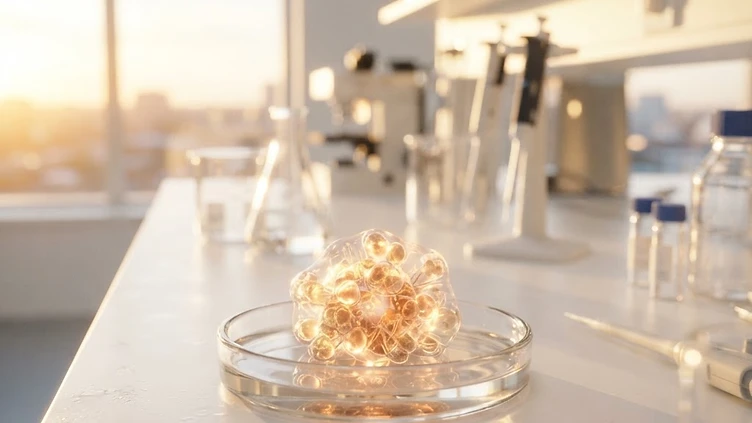
At the heart of this work is the sophisticated creation of organoids, which are intricate biological structures grown from human stem cells. These tiny marvels are designed to replicate the complex physiological functions of specific human organs, providing scientists with a window into how the body actually operates on a cellular level. What makes this initiative particularly ground-breaking is the use of cells donated by NHS patients, ensuring that the research remains grounded in true biological relevance. By utilizing these genuine human building blocks, the team at the University of Cambridge can gain unprecedented insights into the way new pharmaceutical compounds interact with our systems, far beyond what has been possible in the past.
Moving Beyond Traditional Testing
For decades, the search for new medicines has relied heavily on animal models, a process that has long faced limitations regarding its accuracy and the inevitable translation gap when moving from laboratory findings to real-world patient care. The new Cambridge initiative aims to change this narrative entirely. By providing a more accurate simulation of how human cells respond to potential drugs, these standardised organoid models serve as a far more reliable proxy for human biological response. This evolution in methodology is set to drastically reduce, and eventually replace, the reliance on animal testing within the drug development lifecycle. This shift is not merely ethical; it is practical, as the enhanced accuracy provided by these models is expected to increase the success rates of clinical trials, ensuring that the path from a laboratory breakthrough to a pharmacy shelf is as streamlined and safe as possible.
Bridging the Clinical Gap
The real-world potential of this technology is already being demonstrated in impressive ways. Researchers have successfully shown that these miniature organs can simulate highly complex biological processes, such as the regrowth of nerve fibers. This capability is instrumental in studying a diverse array of challenging health conditions, including liver disease and the often debilitating disease. By creating these standardised models, the project aims to provide the wider scientific community with a consistent, reliable tool that can be used universally. This standardisation is the key to accelerating the pace of medical discovery, allowing researchers to share results and build upon each other’s work with a higher degree of certainty than ever before. With the backing of UK Research and Innovation and the , this effort is firmly positioned as a cornerstone of the UK’s scientific strategy.
Looking Toward a Brighter Future
The ambition behind this work is to bridge the often-frustrating gap between successful laboratory experiments and the actual, tangible health outcomes for patients. As the initiative matures, the vision of a more precise, efficient, and compassionate medical testing landscape is becoming a reality. The combination of cutting-edge biotechnology and the altruism of NHS patient donors creates a powerful alliance that could define the next century of British healthcare innovation. By investing in these miniature organ models, the UK is not only refining its scientific tools but is also fundamentally improving the way we approach disease. The promise of faster drug discovery and safer treatments is a beacon of hope for millions, signaling that the future of medicine is becoming more human than ever before. As the Cambridge team continues to refine these standardised models, the scientific world looks on with anticipation, ready to embrace a future where our diagnostic and developmental capabilities are limited only by our creativity and our commitment to high-quality, human-centered research.
Originally reported by
All rights in the original reporting remain with the publishers below.
Originally reported by ‘A mouse can’t tell us what works’: UK scientists to grow miniature human organs for drug testing — theguardian.com. Our feature is written independently from verified facts — please support the original reporting:
Read the original story- ‘A mouse can’t tell us what works’: UK scientists to grow miniature human organs for drug testing — theguardian.com
- https://iuk-business-connect.org.uk/news/alternative-industrialised-models-for-drug-development/
- https://www.enterprise.cam.ac.uk/news/new-lab-grown-human-embryo-model-produces-blood-cells/
Related Wins

 Sport
SportCHESS PRODIGIES BREAK BARRIERS IN NATIONAL LEAGUE DEBUT
The 'She Plays to Win' Lionesses have made history by competing in the top division of the Four Nations Chess League, marking the culmination of three consecutive promotions. Despite facing unique regulatory challenges regarding team composition, the squad continues to demonstrate exceptional skill and camaraderie at the highest level of British chess.
London & South · 11 mins ago

 Science
NEW PATHWAYS TO DIAGNOSIS: CAMBRIDGE STUDY SHEDS LIGHT ON AUTOIMMUNE HEALTH
A landmark study from the University of Cambridge is paving the way for more accurate medical care by highlighting critical gender disparities in the diagnosis of autoimmune conditions. By identifying how and why these misdiagnoses occur, researchers are providing the evidence needed to ensure patients receive faster, more effective support for their physical health.
London & South · 12 mins ago

 Environment
A NATURAL REVIVAL FOR BARNES GREEN
A major river restoration project has successfully transformed the Beverley Brook at Barnes Green into a thriving, natural habitat. This initiative has introduced a meandering river channel and a new island, significantly boosting local flood resilience and biodiversity.
London & South · 6 hours ago
The Sunshine Digest
One bright email each week — verified good news only, unsubscribe in a click.