Inside London's oldest shop that is still changing to keep up with the times after 350 years
A historic London shop, which has served the capital for over three and a half centuries, continues to thrive by balancing its deep-rooted heritage with contemporary business practices. By successfully adapting its operations to meet the demands of the modern era, this long-standing establishment remains a vibrant part of the city's commercial landscape.
The story in 20 seconds
20Founded: 1676.
Location: St James's Street, central London.
Status: Widely recognised as the world’s oldest hat shop.
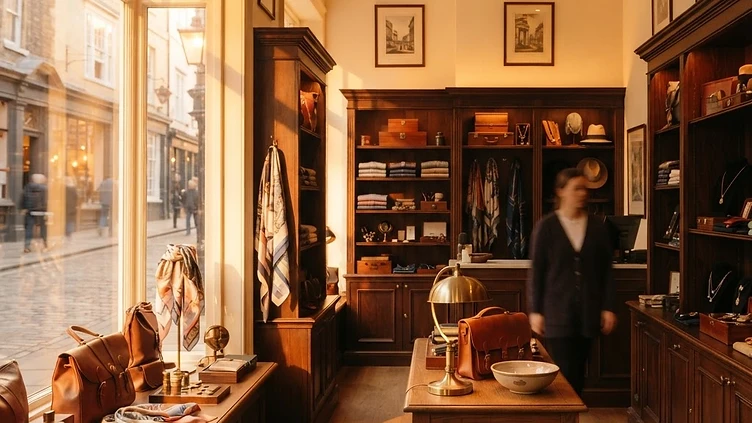
A timeless pillar on St James's Street
Deep in the bustling heart of central London, tucked away on the storied St James’s Street, sits a quiet bastion of tradition that defies the relentless pace of the modern world. For more than three and a half centuries, this remarkable establishment has stood its ground, bearing witness to the transformation of the capital from the windows of a shopfront that has remained largely unchanged in spirit since its inception. While the streets around it have evolved into a sea of steel, glass, and rapid digital shifts, this particular venue remains a steadfast guardian of history. It is recognised as the oldest hat shop in the world, a title that serves as a testament to the endurance of craftsmanship and the enduring appeal of quality millinery. in 1676, during the vibrant and turbulent reign of , the shop began its life under the watchful eye of . To step inside is to step back in time, yet the experience is never one of a dusty relic or a stagnant museum piece. Instead, visitors find a living, breathing business that has managed to anchor itself in the past while gracefully extending its reach into the present day.
Three centuries of family stewardship
The secret to the shop’s incredible longevity is undoubtedly its unique heritage, defined by a spirit of family continuity that is vanishingly rare in today’s corporate-dominated retail landscape. Since the very beginning, the business has remained family-owned, a legacy that has been carefully nurtured across more than 350 years of shifting history. One of the most significant chapters in this long story occurred in 1759, when an apprentice named married Mary, the daughter of the original founder. This moment of transition helped solidify the family-led future of the enterprise, setting a tone for a succession of generations committed to the same high standards set by Robert Davis in the seventeenth century. By trading on the same site for over three centuries, the shop has cultivated a deep, almost invisible bond with the city. It has weathered the most significant challenges that history has thrown its way, from the devastating impact of the Great Fire of London to the radical upheavals of the and the profound anxieties of two world wars. Throughout these trials, the business has functioned as an anchor of cultural resilience, proving that a brand built on solid foundations can withstand almost anything the changing world brings to its door.
Mastering the art of the modern age
It is perhaps most impressive that a business born in the 1600s has not only survived the digital revolution but has actively embraced it. While the shop is famous for maintaining traditional bespoke services—the kind of personal, high-touch retail that feels almost lost in an era of mass production—it has also successfully integrated modern commercial operations to stay relevant in the twenty-first century. This balance between the old and the new is a delicate one, but the shop has mastered the art of hybrid success. By blending the time-honoured expertise of the milliner with contemporary retail strategies, the establishment has managed to capture the interest of modern shoppers without alienating those who seek the classic, heritage-focused experience. This is not a shop that fears the future; it is one that has found a way to use the tools of the modern age to showcase its traditional wares to a global audience. The integration of digital-age retail strategies alongside their signature bespoke offerings has allowed them to thrive in a market that often demands instant gratification, showing that even the most historic brands can flourish when they find the right equilibrium.
An inspiring legacy for the future
Why does this tiny slice of London history matter so much today? The answer lies in the shop's role as a beacon of cultural significance within the landscape of British retail. It serves as a living, breathing example of how longevity does not have to mean obsolescence. In an age where commercial identity can feel increasingly disposable, this shop stands as an inspiring monument to what is possible when a business remains true to its core values while refusing to ignore the winds of change. The way it has managed to sustain its relevance after all this time is not just a triumph for the family behind the counter, but for the history of the city itself. It reminds us that traditional craftsmanship and modern innovation are not opposing forces, but can actually support and enhance one another. As we look ahead, the story of this landmark on offers a sense of genuine optimism. It is a powerful reminder that with enough dedication and the right balance of legacy and adaptation, even the most traditional pillars of our society can continue to grow, change, and shine. The future may be digital, but there will always be a place for the quality, resilience, and personal care that this shop has provided for more than 350 years.
Originally reported by
All rights in the original reporting remain with the publishers below.
Originally reported by mylondon.news. Our feature is written independently from verified facts — please support the original reporting:
Read the original storyRelated Wins

 Environment
GOALKEEPER CHAMPIONS GREENER FUTURE FOR FOOTBALL
A professional footballer is using his platform to advocate for environmental sustainability, urging the sport to adopt more eco-friendly habits. By sharing his own experiences and working with his club, he aims to inspire fans and players alike to make meaningful changes for the planet.
London & South · 13 mins ago

 Tech
TechMajor update in plans for new bridge at Nottinghamshire nature reserve after three-year closure
A long-awaited infrastructure project at the Attenborough Nature Reserve has received planning approval for the construction of a new bridge, restoring a vital public access point that has been closed since April 2023.
Midlands · 18 mins ago

 Health
London Youngster Smashes 5K Record with Remarkable Speed
A ten-year-old girl from London has demonstrated incredible athletic prowess by setting a record-breaking 5K time. Her dedication to the sport and recent performance have inspired her local community as she now sets her sights on even greater running milestones.
London & South · 6 hours ago
The Sunshine Digest
One bright email each week — verified good news only, unsubscribe in a click.