HEART-HEALTHY MAMMOGRAMS: AI BREAKTHROUGH OFFERS DUAL PROTECTION FOR WOMEN
A pioneering medical study has revealed that routine breast cancer screenings can be repurposed to identify hidden cardiovascular risks in women. By applying artificial intelligence to standard mammograms, clinicians can now detect early signs of heart disease, providing a vital opportunity for preventative care during existing health appointments.
The story in 20 seconds
20Researchers have developed a method to use AI to analyse mammograms for breast arterial calcification (BAC).
The presence of calcium deposits in breast arteries is a significant indicator of potential cardiovascular issues.
This innovation allows for the early identification of heart disease risk without requiring additional hospital visits or radiation exposure.
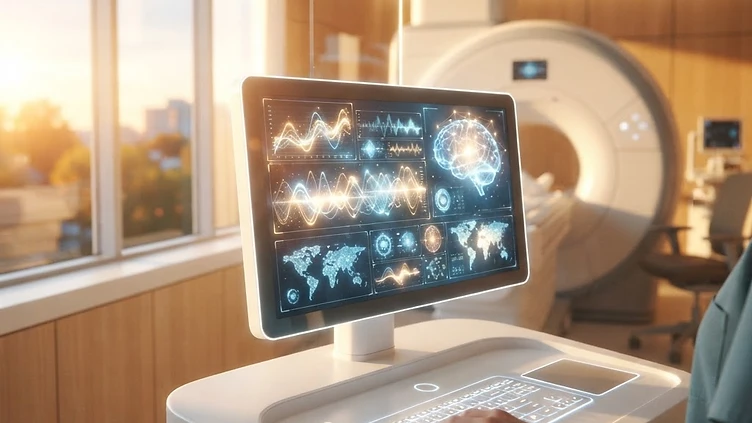
A New Vision for Women's Health In August 2026, a groundbreaking shift in medical technology began to change the landscape of preventative care across London and the South. Researchers, including those from the University of Oxford, have unlocked a revolutionary way to support women's wellbeing by turning standard breast cancer screenings into windows for cardiovascular health. For years, the mammogram has been a vital tool in the fight against cancer. Now, thanks to the emergence of sophisticated artificial intelligence, this same imaging is proving to be a treasure trove of diagnostic data, capable of highlighting early indicators of heart disease. By analysing mammograms for breast arterial calcification—essentially, the presence of calcium deposits within the arteries—clinicians can identify potential risks that might otherwise have gone unnoticed. This discovery represents a seamless, elegant integration of technology into the existing healthcare journey, allowing women to receive more comprehensive health insights without the need for extra appointments or additional radiation. It is a quiet but profound evolution in how we approach the dual priorities of oncology and cardiology. The implications of this research are particularly significant given that heart disease remains a leading cause of death, yet it is often secondary in the public consciousness when compared to the urgency of cancer screenings. This new AI-driven method acts as an early warning system, capturing critical health data during routine visits. For the 124,000 women whose imaging data informed this study, the findings provide a clear message: existing medical infrastructure holds far more potential than we previously imagined. By leveraging the data already stored within our healthcare systems, medical professionals are bridging the gap between two previously separate fields of medicine, creating a more holistic and proactive approach to patient care.
Understanding the Hidden Indicators The core of this innovation lies in the subtle markers of breast arterial calcification. While breast arteries are not the primary focus of a standard cancer screening, the calcification patterns they exhibit serve as a tell-tale sign of broader cardiovascular health. The study indicates that the presence of these deposits is not merely incidental; it is a serious indicator that warrants clinical attention. In fact, the findings are stark: women who display severe arterial calcification are found to face double the risk of experiencing a cardiovascular event compared to those who do not. This data transforms a routine screening into a powerful, underutilised diagnostic tool. It allows doctors to see beyond the initial scan and gain a deeper understanding of a patient's long-term health trajectory. The beauty of this process is that it requires no change to the patient experience. There is no waiting for new appointments, no added stress of further testing, and no additional radiation exposure. Instead, the AI quietly processes the existing mammogram images, turning them into a dual-purpose health asset. This innovation empowers radiologists to act as vital partners in cardiovascular health, providing clinicians with actionable insights that can lead to early interventions—whether through lifestyle adjustments or medical treatments—long before a more serious condition might manifest. It is a testament to how artificial intelligence can work in harmony with expert clinical judgement to enhance the standard of care.
Bridging the Clinical Gap The integration of this technology into the UK healthcare landscape represents a forward-thinking move toward smarter medicine. By routinely reporting these calcification findings, radiologists can bridge the divide between oncology and cardiology, ensuring that the health of the heart is not overlooked while screening for other life-threatening conditions. This approach recognises the complexity of the human body, acknowledging that health is rarely a one-dimensional concern. In a busy healthcare system, the ability to maximise the diagnostic value of every test is invaluable. For many women, this research provides a sense of reassurance, knowing that the systems designed to protect them are becoming more comprehensive and efficient. Experts are quick to clarify that this AI method does not replace traditional heart health screenings, but rather complements them. It serves as an additional layer of safety, a way to catch signs of trouble sooner and ensure that women have the best possible information about their own bodies. It is about making every clinical encounter count for more, turning existing data into a proactive shield against future health challenges.
A Brighter Future for Prevention As we look toward the future of health in the UK, the role of AI in routine imaging appears set to grow in importance. This study offers a compelling glimpse into a world where preventative healthcare is integrated, intelligent, and deeply responsive to individual needs. By focusing on existing screening programmes, the potential to improve long-term outcomes for thousands of women is immense. We are moving toward a model where technology does not complicate the patient experience but rather simplifies and enriches it, turning routine procedures into comprehensive diagnostic assets. The ability to identify risk factors early is the cornerstone of effective treatment, and this breakthrough offers exactly that. As we continue to refine the use of AI in medicine, the goal remains the same: to ensure that every woman has the tools and information necessary to lead a long, healthy, and active life. This development is not just about technology; it is about providing the time and the insight to address health risks before they become crises. In the London and South region, and eventually across the nation, this pioneering work marks a significant stride toward a more cohesive and protective medical future, proving that when we rethink how we use our existing resources, we can unlock powerful possibilities for health and healing.
Originally reported by
All rights in the original reporting remain with the publishers below.
Originally reported by AI can detect heart disease in women using mammograms, study suggests. Our feature is written independently from verified facts — please support the original reporting:
Read the original storyRelated Wins

 Sport
SportCHESS PRODIGIES BREAK BARRIERS IN NATIONAL LEAGUE DEBUT
The 'She Plays to Win' Lionesses have made history by competing in the top division of the Four Nations Chess League, marking the culmination of three consecutive promotions. Despite facing unique regulatory challenges regarding team composition, the squad continues to demonstrate exceptional skill and camaraderie at the highest level of British chess.
London & South · 1 hour ago

 Science
NEW PATHWAYS TO DIAGNOSIS: CAMBRIDGE STUDY SHEDS LIGHT ON AUTOIMMUNE HEALTH
A landmark study from the University of Cambridge is paving the way for more accurate medical care by highlighting critical gender disparities in the diagnosis of autoimmune conditions. By identifying how and why these misdiagnoses occur, researchers are providing the evidence needed to ensure patients receive faster, more effective support for their physical health.
London & South · 1 hour ago

 Health
Widnes youngster cutting hair after 10 years for good cause
A young Widnes resident has donated his hair after growing it for a decade to support children facing hair loss due to medical treatment.
North of England · 6 hours ago
The Sunshine Digest
One bright email each week — verified good news only, unsubscribe in a click.