Four-Century Tradition Halted to Protect Scotland’s Vulnerable Seabird Colonies
Scotland’s nature agency has officially blocked the annual harvest of gannet chicks on a remote Hebridean island for the first time in 400 years. This landmark conservation decision aims to safeguard the local population of northern gannets following years of decline exacerbated by avian influenza.
The story in 20 seconds
20NatureScot is the government agency that issued the refusal for the 2026 hunting licence.
Sula Sgeir is the uninhabited, rocky island where the hunt takes place, located roughly 40 miles (64km) north of the Isle of Lewis.
The hunt targets Northern gannets (Morus bassanus), specifically the young chicks known locally as guga.
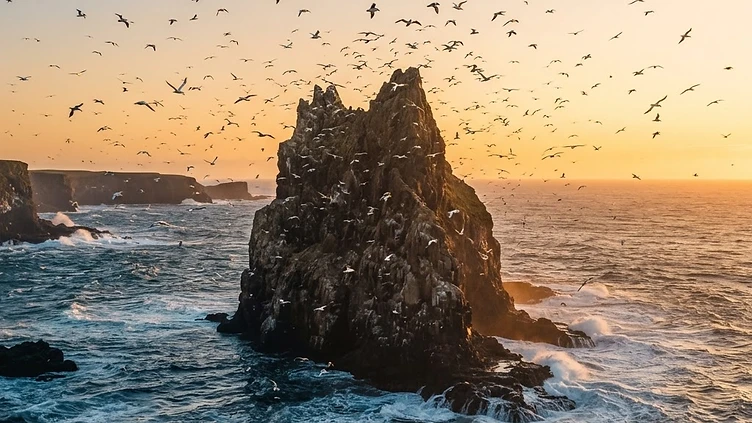
A Century-Old Tradition Takes a Final Bow
For over four hundred years, the rugged, windswept rocks of have played host to a ritual as deep-rooted as the tides themselves. Located forty miles north of the Isle of Lewis, this uninhabited and desolate Hebridean island has been the stage for the annual guga hunt, a tradition reaching back to the 15th century. This practice, involving the seasonal harvest of young chicks known locally as guga, stands as a singular anomaly in modern British life. It has long been the final remaining legal seabird harvest in the entire , operating under a specific legal exemption to the ions typically afforded by the Wildlife and of 1981. Yet, as of 2026, the quiet, rocky shores of this remote outpost will remain undisturbed by this human intervention, marking the end of an era that has spanned four centuries. NatureScot, the government agency tasked with the stewardship of Scotland’s natural heritage, has officially brought this chapter to a close by refusing the application for the 2026 hunting licence. This decision is not merely a bureaucratic footnote; it represents a profound shift in how we prioritize the survival of our wild avian neighbours in an increasingly fragile ecosystem.
Protecting Vulnerable Northern Gannet Colonies
The decision to halt the hunt was neither sudden nor made without significant concern for the future of the northern gannet, or Morus bassanus. In recent years, the delicate balance of life on Sula Sgeir has been tested by forces far beyond human control. Highly pathogenic avian influenza has swept through bird populations across the globe, and the colonies on this rocky outcrop have been particularly hard hit by the relentless spread of the disease. examined by officials suggests that prior to the imposition of this ban, Sula Sgeir was functioning as the poorest performing gannet colony in all of Scotland. This context provided a sombre backdrop for the deliberations held by NatureScot in late July 2026. The vulnerability of the population, coupled with clear signs of long-term decline, led conservationists and agencies to conclude that the continuation of the hunt was no longer tenable. Following a period where the hunt had been paused between 2022 and 2024 to mitigate the immediate risks posed by the virus, and a 2025 season restricted to just five hundred birds, the total denial of the 2026 application serves as a definitive safeguard for the colony’s future stability.
A New Horizon for Scottish Seabirds
The movement toward this prohibition was bolstered by the active participation of animal welfare organisations, including Protect the Wild and OneKind, who have long campaigned for the practice to reach a permanent end. Their efforts underscored the evolving relationship between the public, the government, and the protection of wildlife. While historical licences once permitted the harvest of up to two thousand birds in a single season, the shift towards total protection marks a transition toward a more cautious and restorative approach to nature management. By prioritising the health of the colony, Scotland is taking a clear stand for the welfare of a species that has long defined the character of its coastal landscapes. It is a moment of quiet transformation, where an ancient custom bows out to make space for the recovery of a vulnerable population. This decision ensures that the gannet chicks of Sula Sgeir will be given the best possible chance to flourish in the years to come.
Embracing the Path of Conservation
As the season arrives in 2026, the silence on Sula Sgeir will be broken only by the natural calls of the seabirds themselves, rather than the sounds of the traditional harvest. This landmark decision by NatureScot serves as a powerful reminder of how conservation priorities must adapt to the changing realities of our environment. The move to block the hunt reflects a broader UK-wide commitment to monitoring and protecting the health of seabird colonies in the face of widespread disease and environmental stress. By removing the pressure of the harvest, researchers and ecologists are hopeful that the northern gannets will find the resilience needed to recover their numbers. This is a story of transition, moving from a historic practice toward a future defined by the preservation and respect of natural cycles. The legacy of the guga hunt will undoubtedly remain a part of the local history, but the story of Sula Sgeir is now officially being rewritten as a tale of protection, recovery, and hope. As we look forward, the focus remains firmly on the long-term vitality of these remarkable seabirds, ensuring they remain a vibrant part of the Scottish landscape for generations to enjoy. The permanent conclusion of the harvest is an optimistic step forward, illustrating that even the most enduring traditions can be set aside when the wellbeing of our natural world demands a new, more protective course of action.
Originally reported by
All rights in the original reporting remain with the publishers below.
Originally reported by theguardian.com. Our feature is written independently from verified facts — please support the original reporting:
Read the original storyRelated Wins

 Environment
A NATURAL REVIVAL FOR BARNES GREEN
A major river restoration project has successfully transformed the Beverley Brook at Barnes Green into a thriving, natural habitat. This initiative has introduced a meandering river channel and a new island, significantly boosting local flood resilience and biodiversity.
London & South · 7 hours ago

 Environment
A "Nature Ring" for London: Ambitious Green Corridor Takes Root
A visionary 25-year project is underway to encircle the capital with a continuous 200km green corridor, transforming the city’s outer edges into a thriving habitat for both wildlife and residents. By connecting existing green spaces with new orchards, hedgerows, and woodlands, the initiative aims to restore biodiversity and provide nature-deprived communities with improved access to the outdoors.
London & South · 1 day ago

 Environment
'Outstanding' school 'over-capacity' to move and expand from Bermondsey to Peckham
A highly-rated special school is set to expand its capacity and move into a modern, sustainable facility to better support children with complex needs. This relocation will provide 21 additional places for pupils, ensuring more families have access to high-quality, purpose-built educational environments.
London & South · 1 day ago
The Sunshine Digest
One bright email each week — verified good news only, unsubscribe in a click.