Empowering the Next Generation: Young Voices Shape Health Education in Wales
Young people in Wales are taking a leading role in transforming health education by collaborating with experts to design new school resources. This initiative ensures that future health guidance is informed by the lived experiences and specific needs of the younger generation, fostering a more inclusive and effective approach to wellbeing.
The story in 20 seconds
20Students and young women across Wales are actively participating in the development of new educational materials.
The project focuses on improving understanding of common health conditions, particularly those affecting women.
The initiative aims to bridge the gap between clinical health information and the practical needs of students in school settings.

A New Dawn for Health Education in Wales In the heart of Wales, a remarkable transformation is taking place within the walls of our schools. A vibrant movement is underway where the traditional hierarchy of the classroom is being reimagined to place young people at the very centre of their own health education. Rather than merely being the recipients of clinical information, students are now stepping into the roles of designers, creators, and advocates, working hand-in-hand with health experts to craft the educational resources that will shape their own understanding of wellbeing. This collaborative spirit is not just a passing trend; it is a profound shift in how we approach the delicate balance of preventative health and public policy. By bridging the gap between cold clinical facts and the lived realities of life in the classroom, this initiative is setting a standard that resonates far beyond the borders of individual school buildings. It is a story of youth agency, where the voices that have historically been loudest in their own needs are now the ones leading the charge for change, ensuring that future health guidance is as relevant and accessible as it is essential.
Rethinking the Classroom Approach The core of this initiative lies in the recognition that health education must be a conversation rather than a lecture. For too long, there has been a significant disconnect between what is taught in academic settings and the practical, day-to-day health needs of students. In Wales, this gap is being systematically dismantled. Through active partnership, students and young women are stepping forward to co-produce materials that strip away the ambiguity of medical jargon, replacing it with resources that reflect their actual questions and concerns. By involving those who will actually be using these materials in the design process, the resulting education is far more tailored to the specific needs of the younger generation. It transforms the subject matter from something abstract into something deeply relatable, allowing students to navigate the complexities of health with clarity and confidence. This is not simply about adding new content to the curriculum; it is about fundamentally changing the way that information is packaged and delivered to ensure it lands with impact.

Focusing on Underserved Health Needs One of the most significant aspects of this movement is its commitment to addressing health conditions that have been historically underserved within school-based education. In particular, the spotlight is being shone on women’s health, an area that has often been overlooked in the standard pedagogical landscape. By prioritizing the specific health conditions that affect young women, the project is ensuring that gaps in knowledge are being filled with accurate, empowering information. This focus is a testament to the fact that when we listen to the voices of those directly affected, we identify the most urgent priorities for reform. It is an acknowledgment that public health education is only as effective as its inclusivity, and that ignoring the specific lived experiences of half the population serves no one. By integrating these crucial conversations into the classroom, Wales is ensuring that young people leave school with a comprehensive understanding of their health, free from the stigma and uncertainty that has surrounded these topics for far too long.
The Power of Collective Agency At the heart of this success is a fundamental belief in youth agency. The initiative celebrates the idea that young people are not just passive inhabitants of the future, but active architects of the present. By empowering students to shape the services that impact their lives, the project highlights the importance of inclusivity and community perspectives in creating meaningful, lasting change. This is a model for how regional health strategies should function: not by imposing decisions from the top down, but by building frameworks in consultation with the very people who will rely on them most. This approach validates the lived experiences of students, reinforcing the idea that their perspectives are valuable, necessary, and worthy of institutional respect. As these young people contribute their insights to the design of health resources, they are simultaneously developing the skills of advocacy and civic participation, ensuring that their contribution to public health is as significant as the resources they help create.
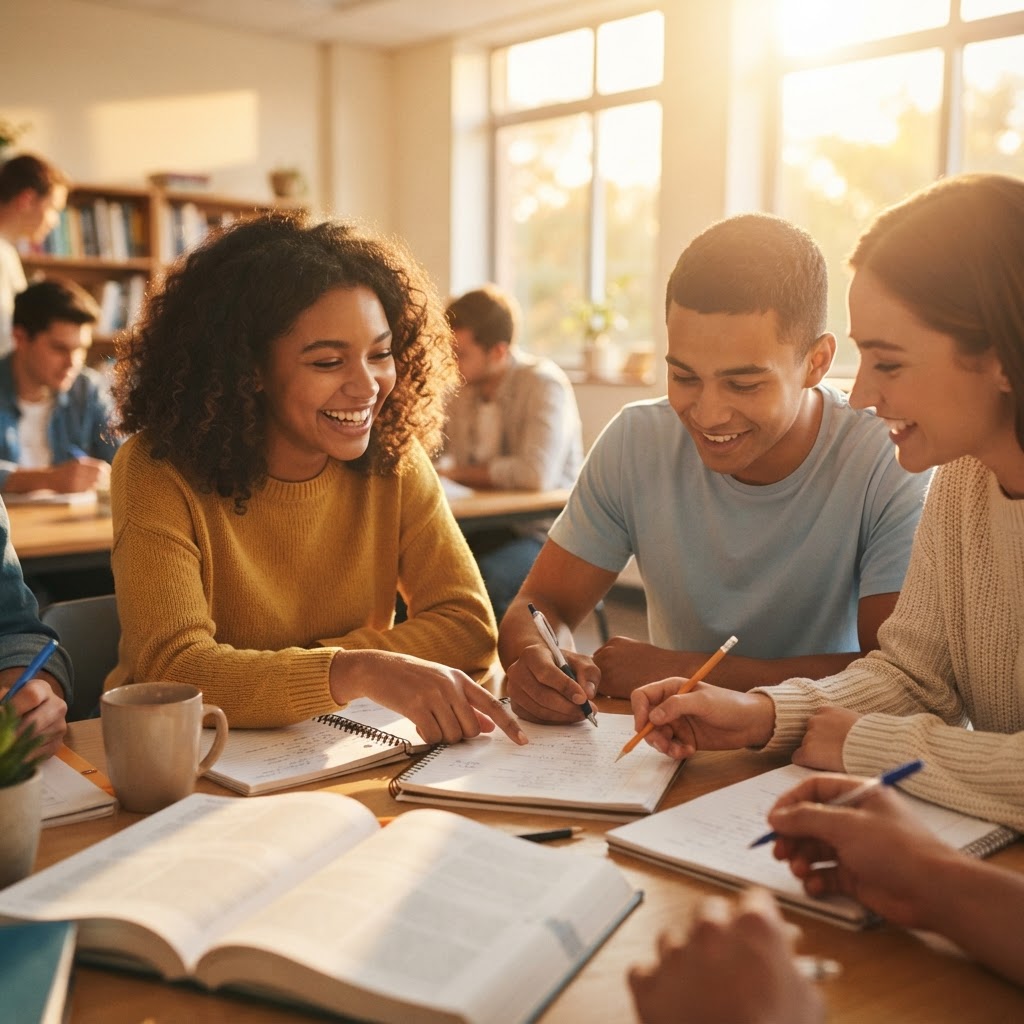
Bridging Clinical and Practical Knowledge Bridging the divide between a clinical health environment and the classroom is no small feat. Health experts involved in this collaboration are finding that the expertise of the medical field, when combined with the practical, common-sense needs of young learners, results in something far more potent than either could produce alone. This is about making information usable. The resources being developed under this banner are designed to be practical tools for life, aimed at providing the necessary support and knowledge to navigate health challenges effectively. It is a proactive shift toward preventative health education, moving away from a model that only reacts to crises to one that equips young people with the tools to manage their wellbeing from the outset. By ensuring that school-based materials are informed by both rigorous clinical understanding and the realities of student life, Wales is creating a robust foundation for long-term public health outcomes. This integration ensures that health information is not left behind when the school bell rings, but instead serves as a constant companion for students as they transition into adulthood.
A Model for Future Generations As this work continues, it serves as an inspiring blueprint for how regional health strategies can be co-produced with the people they serve. The ongoing nature of this collaboration ensures that it remains adaptive and responsive to the evolving needs of the youth population in Wales. It is a model of proactive governance, showing that when we invest in the voices of the next generation, we are not just solving today's problems but building a healthier, more informed society for the future. The ripple effects of this initiative are broad; by addressing health inequalities through co-production, Wales is taking a decisive step toward a more equitable landscape where everyone has access to the health knowledge they need to thrive. The legacy of this project will be found in the future generations who feel empowered to discuss their health without fear or shame, equipped with knowledge that was crafted specifically for them. It is a testament to the belief that the most effective public services are those that truly mirror the diversity and vibrancy of the communities they support, and that by working together, we can reshape the national health landscape into something that serves everyone.
Originally reported by
All rights in the original reporting remain with the publishers below.
Originally reported by Health education: Young women want improvements in Wales - BBC. Our feature is written independently from verified facts — please support the original reporting:
Read the original storyRelated Wins

 Health
Widnes youngster cutting hair after 10 years for good cause
A young Widnes resident has donated his hair after growing it for a decade to support children facing hair loss due to medical treatment.
North of England · 9 hours ago

 Health
Audlem Charity Shop boosts takings by moving outdoors
A local charity shop in Audlem has successfully increased its fundraising by hosting weekly outdoor sales, significantly boosting support for health-related causes like St Luke’s Hospice Cheshire.
North of England · 21 hours ago

 Health
Empowering Young Minds: Alderley Edge Business Receives Prestigious Royal Recognition
Alderley Edge-based company myHappymind has been awarded the prestigious King’s Award for Enterprise for its innovative, NHS-backed mental health curriculum designed to build resilience in primary school children.
North of England · 1 day ago
The Sunshine Digest
One bright email each week — verified good news only, unsubscribe in a click.