Edinburgh Leads the Way as First UK City to Launch Sustainable Visitor Levy
The Scottish capital has officially become the first city in the United Kingdom to implement a mandatory visitor levy designed to fund local infrastructure and environmental projects. This five-percent fee on overnight stays is projected to raise fifty million pounds annually for the maintenance of Edinburgh’s historic heritage, public spaces, and urban sustainability.
The story in 20 seconds
20The Edinburgh Visitor Levy officially went live on Friday, July 24, 2026.
It is the first mandatory, city-wide visitor levy to be implemented in the UK.
The scheme imposes a 5% fee on paid overnight accommodation.
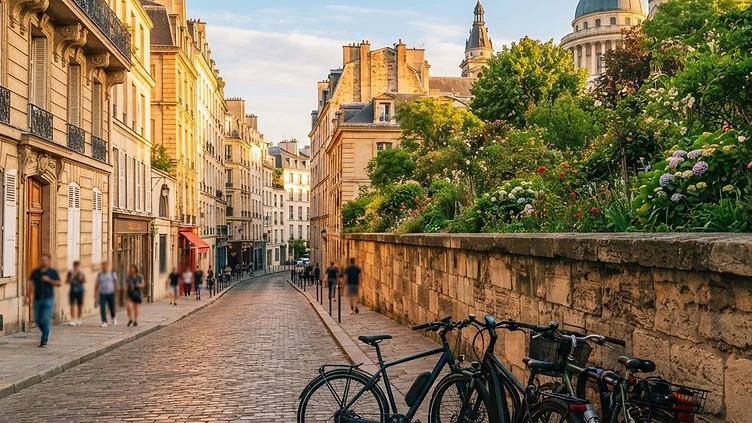
A Historic Milestone for Scotland’s Capital
has officially etched its name into the history books as the first city in the United Kingdom to adopt a forward-thinking, mandatory . As of Friday, July 24, 2026, the Scottish capital transitioned into a new era of urban stewardship, setting a national precedent for how cities can balance the pressures of tourism with the urgent need for environmental and infrastructural preservation. The atmosphere in the city is one of quiet progress as this transformative policy, made possible by the Visitor Levy (Scotland) Act 2024, officially commences its operations. By implementing a five-percent fee on paid overnight stays, the City of is taking a decisive step toward securing the long-term vitality of one of the world's most iconic destinations. This initiative is not merely a financial adjustment; it represents a fundamental change in how the city manages its growth and celebrates its unique heritage. By ensuring that the benefits of a bustling tourism sector directly contribute to the maintenance of public spaces, the council is championing a sustainable model that protects the city for future generations while safeguarding the interests of the local community.
Funding the Future of Heritage
The sheer scale of this ambition is reflected in the financial projections accompanying the launch. City officials estimate that the five-percent levy will generate a remarkable fifty million pounds every single year. This significant injection of capital is precisely ring-fenced to ensure that it addresses the most pressing needs of the capital, from the meticulous upkeep of Edinburgh’s world-renowned historic architecture to the refinement of its public infrastructure. The beauty of this arrangement lies in its direct reinvestment strategy. Rather than relying on the traditional tax base to foot the bill for city operations, the initiative allows the revenue generated by the tourism sector to be put back into the very fabric of the location that visitors come to admire. This includes ongoing investment in culture and comprehensive tourism management programs, which are essential for maintaining the high standards expected of such a prominent destination. By diversifying its revenue streams in this way, Edinburgh is fostering a self-sustaining cycle where the popularity of the city helps to fund the very projects that preserve its aesthetic and historical integrity.
A Model for the United Kingdom
As the first city in the UK to introduce such a scheme, all eyes are currently fixed on Edinburgh. The success of this policy could easily signal a new chapter for urban management across the British Isles. By choosing a path that prioritizes environmental sustainability and heritage protection without increasing the tax burden on residents, Edinburgh is demonstrating that progressive fiscal policies can be both practical and popular. The move reflects a deep understanding of the delicate ecosystem that exists between a city’s vibrant tourist economy and its local municipal requirements. When visitors contribute to the maintenance of the public spaces they enjoy, they become active partners in the preservation of the urban landscape. This shift in perspective is what makes the Edinburgh approach so compelling. It provides a blueprint for other UK cities that are similarly navigating the complexities of high tourist demand and the need for high-quality public infrastructure. It is a bold, optimistic approach that views the challenges of urban management as an opportunity to innovate rather than a burden to be endured.
Looking Ahead with Optimism
Looking toward the horizon, the launch of the visitor levy on July 24, 2026, feels like a moment of renewal. The dedication of the City of Edinburgh Council to this cause ensures that the will be used with purpose and transparency, targeting key areas that define the character of the city. Whether it is through enhanced public spaces that welcome residents and visitors alike, or through the continued protection of the city’s historic core, the vision is one of long-term endurance. There is a sense of pride as Edinburgh takes this leadership role, demonstrating that a city can be both globally accessible and locally responsible. The success of this initiative will be measured not just in the annual millions raised, but in the enduring quality of the city’s streets, parks, and landmarks. By proactively addressing the needs of its infrastructure and environment, Edinburgh is ensuring that its status as a premier destination remains secure for years to come. It is an inspiring example of how a well-considered policy can help a historic city evolve in harmony with its surroundings, proving that the future of urban tourism is one that values and invests in the precious resources that make these places so special in the first place. As the city moves forward under this new framework, the people of Edinburgh can look ahead with a renewed sense of confidence, knowing that their heritage is being actively protected through a fair and sustainable system that benefits everyone involved.
Originally reported by
All rights in the original reporting remain with the publishers below.
Originally reported by Did a tourist tax save Magaluf? — positive.news. Our feature is written independently from verified facts — please support the original reporting:
Read the original storyRelated Wins

 Environment
A NATURAL REVIVAL FOR BARNES GREEN
A major river restoration project has successfully transformed the Beverley Brook at Barnes Green into a thriving, natural habitat. This initiative has introduced a meandering river channel and a new island, significantly boosting local flood resilience and biodiversity.
London & South · 8 hours ago

 Environment
A "Nature Ring" for London: Ambitious Green Corridor Takes Root
A visionary 25-year project is underway to encircle the capital with a continuous 200km green corridor, transforming the city’s outer edges into a thriving habitat for both wildlife and residents. By connecting existing green spaces with new orchards, hedgerows, and woodlands, the initiative aims to restore biodiversity and provide nature-deprived communities with improved access to the outdoors.
London & South · 1 day ago

 Environment
'Outstanding' school 'over-capacity' to move and expand from Bermondsey to Peckham
A highly-rated special school is set to expand its capacity and move into a modern, sustainable facility to better support children with complex needs. This relocation will provide 21 additional places for pupils, ensuring more families have access to high-quality, purpose-built educational environments.
London & South · 1 day ago
The Sunshine Digest
One bright email each week — verified good news only, unsubscribe in a click.