Dalston is set for a major environmental and safety transformation as Hackney Council launches a £3 million project to reduce through-traffic and improve local air quality.
The initiative will introduce new pedestrian crossings, "School Streets," and green infrastructure like rain gardens to create a safer, more resilient neighbourhood.
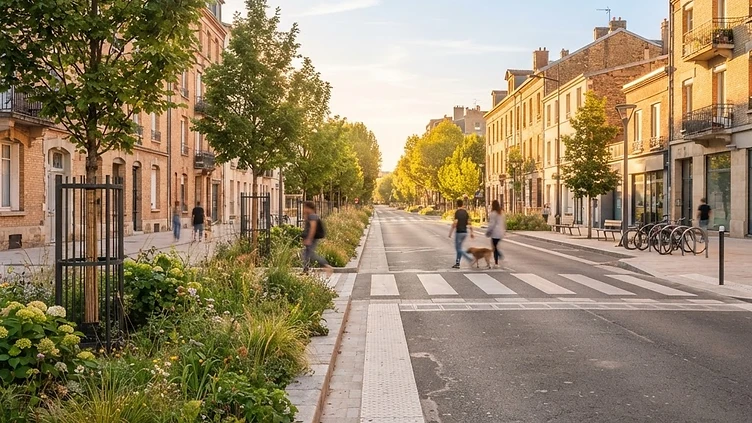
A Greener Future for Dalston Streets
Dalston is on the cusp of a transformative evolution that promises to reshape the character of its residential landscape. Hackney Council has unveiled a robust initiative aimed at reimagining the local environment, with a substantial focus on enhancing safety, air quality, and resilience. Backed by nearly £3 million in essential funding from for London, this ambitious project seeks to reclaim neighborhood roads that have long been burdened by through-traffic and the frustrations of daily commuting shortcuts. By prioritizing people over vehicles, the council is setting a new standard for urban living in East London, aiming to turn bustling residential pockets into safer, healthier spaces for everyone.
Putting Safety and Air Quality First
The heart of this endeavor is a steadfast commitment to the philosophy, a goal that aspires to ensure that no individual suffers a death or serious injury on the borough’s roads. To achieve this, the council is deploying a multi-layered approach to traffic management. By installing strategic traffic filters and a 24-hour bus gate on , the project will effectively deter drivers from utilizing quiet residential streets as rat runs. This change is not merely about traffic reduction; it is a vital step toward protecting the community’s most vulnerable members. The introduction of will create secure zones around local schools, offering children a safer environment during the hectic morning drop-off and afternoon pick-up periods. Alongside these measures, the installation of new pedestrian crossings will enhance accessibility, ensuring that residents can navigate their neighborhood with confidence and ease. The initiative also recognizes the needs of those with limited mobility, incorporating automatic exemption pilots for licensed taxis that serve holders, thereby balancing accessibility with the need for quieter, cleaner roads.
Sustainable Design for a Resilient Community
Beyond safety, this project is deeply invested in the environmental health of Dalston. The inclusion of green infrastructure is a cornerstone of the design, with new rain gardens set to play a crucial role in managing surface water and mitigating local flood risks. These sustainable additions will be complemented by a significant expansion of the local tree canopy, providing welcome shade during warmer months and serving as natural filters to improve local air quality. This thoughtful integration of nature into the urban fabric is a hallmark of the council’s 2026–2030 . By addressing the dual challenges of climate resilience and pollution, these improvements represent a forward-thinking investment in the long-term well-being of the community. The allocation of an £350,000 ally dedicated to public realm improvements further underscores the council’s desire to create spaces that are as aesthetically pleasing as they are functional, turning everyday streets into more welcoming environments for local businesses and families alike.
A Collaborative Vision for Change
The path to this transformation has been a truly collaborative journey. Every aspect of the current scheme has been shaped by the voices of the community, drawing upon invaluable feedback from over 1,000 residents and businesses gathered during previous consultations. This participatory approach ensures that the changes reflect the real-world needs of those who live and work in Dalston. Following the confirmation of these plans in October 2026, the ongoing statutory consultations provide a final window for the public to engage with the finer details of the rollout. As Dalston moves toward this more resilient future, the project serves as an encouraging blueprint for other neighborhoods across the UK. It highlights how targeted financial support and community-led design can work in harmony to solve complex urban issues. By choosing to prioritize the air we breathe and the safety of our children, Dalston is paving the way for a more sustainable and harmonious way of life, proving that even the busiest urban areas can be transformed into thriving, safe, and green sanctuaries for their residents. As we look toward the implementation phase, the anticipation within the community continues to grow, reflecting a shared hope for cleaner air, safer crossings, and the quiet joy of reclaiming neighborhood streets.
Originally reported by
All rights in the original reporting remain with the publishers below.
Originally reported by Changes at Hackney crash hotspot that saw 99 accidents in a year 'could shut us down' say traders. Our feature is written independently from verified facts — please support the original reporting:
Read the original story- Changes at Hackney crash hotspot that saw 99 accidents in a year 'could shut us down' say traders
- Dalston’s set for road safety improvements | Hackney Council News
- East London set for £3m scheme to address 'dangerous' traffic levels | The Standard
- 'You can’t get 20 boxes of oranges and 10 boxes of bananas on a push bike': Ridley Road traders warn Dalston turn ban could shut market
Related Wins

 Tech
BRISTOL MUM’S MISSION TO TRANSFORM BUSES INTO SPECIAL NEEDS HAVENS
A dedicated Bristol mother is spearheading an ambitious project to convert two retired double-decker buses into vital, specially-adapted community spaces for children and teenagers with special educational needs and disabilities (SEND). By repurposing these vehicles, the initiative aims to provide much-needed mobile soft-play and social environments that are currently unavailable in the local area.
London & South · 49 mins ago

 Culture
Viral Techno Brass Band Brings High-Energy Sound to London
MEUTE, an 11-piece German techno brass ensemble, is bringing their unique electronic-acoustic fusion performance to the Troxy in Limehouse on May 1, 2027, as part of their upcoming European tour.
London & South · 6 hours ago

 Sport
ENGLAND RUGBY SQUAD SECURES DOMINANT VICTORY AT TWICKENHAM
The England men’s rugby team delivered a commanding performance on home soil, securing a decisive win against Australia in the Nations Championship. This impressive result highlights the squad's tactical growth and collective strength under the guidance of their coaching staff.
London & South · 6 hours ago
The Sunshine Digest
One bright email each week — verified good news only, unsubscribe in a click.