Coventry Gears Up for Citywide Food Waste Rollout to Generate Clean Energy and Farm Fertiliser
Coventry households are set to begin weekly food waste collections as part of a major environmental drive converting discarded leftovers into green energy and agricultural compost. The citywide initiative diverts organic matter away from standard waste disposal, significantly reducing carbon emissions while creating valuable resources for regional farms.
The story in 20 seconds
20Coventry City Council is launching a dedicated food waste recycling service commencing Monday, 7 September 2026.
The collection will run on a weekly schedule across every household in Coventry.
Most individual households receive a 23-litre outdoor lockable caddy designed to prevent odours and deter pests.
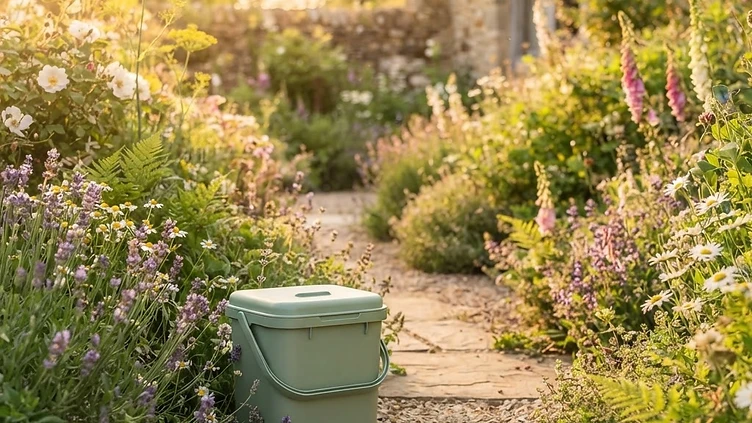
Coventry Embraces A Greener Future Starting this September, the city of Coventry is embarking on a transformative environmental journey that promises to change how every household manages its daily kitchen discards. As part of a wider commitment to sustainability, Coventry City Council has officially announced the launch of a new, citywide food waste recycling service. This initiative, which begins in earnest during the week of Monday, 7 September 2026, marks a significant shift in municipal waste management, moving away from traditional disposal methods and toward a more circular economy. For residents across the West Midlands, this means that those apple cores, bread crusts, and coffee grounds that once disappeared into the general rubbish bin will now play a vital role in powering the local community and nourishing the regional soil.
Turning Leftovers Into Sustainable Power The logic behind this new service is as compelling as it is practical. Historically, organic refuse has represented one of the largest single portions of the municipal rubbish stream in Coventry. By diverting these materials away from incinerators and landfill sites, the council is taking direct action to combat carbon emissions. Once collected, these scraps are transported to specialised anaerobic digestion processing centres. Within these facilities, a biological breakdown process takes place, a clever piece of engineering that captures biogas. This captured gas is then harnessed to generate renewable electricity, feeding clean, sustainable power back into the local energy infrastructure. It is a remarkable transformation, turning yesterday’s dinner leftovers into the energy that lights our homes today. Beyond the energy production, the benefits extend to the earth itself. The residual material left over from the digestion process is converted into a nutrient-dense agricultural fertiliser. This high-quality digestate is destined for surrounding farms, where it will be used to replenish the vital topsoil that sustains regional agriculture. It is a closed-loop system where waste is no longer the end of a story, but the beginning of a cycle that supports both the grid and the harvest.
A Practical Guide For Residents Preparing for this change has been a months-long effort involving the distribution of specialised containers to tens of thousands of homes throughout June, July, and August. Most households in Coventry have now received a 23-litre outdoor lockable caddy. These units have been thoughtfully designed with a locking mechanism to keep the contents secure, prevent unwanted odours, and effectively deter any visiting pests. For those residing in flats or communal high-rise developments, the council has provided a tailored solution involving internal kitchen caddies that work in tandem with shared communal disposal containers. To ensure the success of this programme, households are asked to keep their collection schedule in mind, presenting their caddies at the kerbside before 07:00 on their designated pick-up days. While the process is designed to be straightforward, it does require a little bit of sorting. Residents can fill their caddies with a variety of organic items, including vegetable and fruit peelings, eggshells, tea bags, coffee grounds, bread, and even plate leftovers or pet food. However, it is equally important to know what should stay out of the mix. Items such as oils, fats, liquid waste, non-compostable packaging, and general garden vegetation must not be placed in the food waste caddy. By keeping the stream clean, residents help ensure the efficiency of the anaerobic digestion process.
Strengthening The Nationwide Recycling Effort This move in Coventry is not happening in isolation; it represents a significant local contribution to England’s broader, nationwide Simpler Recycling programme. By integrating this service, the city is successfully establishing a robust four-stream recycling and waste sorting model. This initiative is about more than just managing bins; it is about cultivating a city-wide culture of responsibility and environmental stewardship. When September arrives, Coventry will stand at the forefront of this shift, demonstrating how a major urban area can effectively reduce its environmental footprint. As the collection trucks begin their rounds, it serves as a reminder that individual actions within the home can have a profound collective impact. Every eggshell recycled and every coffee ground diverted contributes to a larger goal of reducing reliance on incineration and fostering a healthier, more sustainable environment for everyone in the region. The transition to this new system represents a milestone for Coventry, reflecting a forward-thinking approach that prioritises clean energy and the health of our local farmland. With the logistical groundwork laid and the community now equipped with the necessary tools, the stage is set for a cleaner, greener autumn for every resident across the city.
Originally reported by
All rights in the original reporting remain with the publishers below.
Originally reported by coventrytelegraph.net. Our feature is written independently from verified facts — please support the original reporting:
Read the original storyRelated Wins

 Environment
A NEW GREEN HORIZON: HALF A MILLION TREES TO BOLSTER ENGLAND’S LANDSCAPES
A major new government initiative will see 500,000 trees planted across England over the next three years to strengthen the nation’s natural defences against extreme weather. This ambitious project will provide essential funding to local authorities, mayors, and grassroots organisations to restore vital landscapes and improve climate resilience.
London & South · 3 hours ago

 Tech
TechA Historic Coventry Pub Returns to Life
A long-shuttered medieval pub in the heart of Coventry has officially reopened its doors, marking a triumphant return for a local landmark that had been closed for a decade. The venue, which had previously been repurposed as a restaurant, has been lovingly restored to its original identity, offering a boost to the city’s historic hospitality scene.
Midlands · 3 hours ago

 Environment
ROOTS OF RESILIENCE: £79 MILLION BOOST FOR LOCAL NATURE RECOVERY
A major new government funding package will empower local communities across England to plant half a million trees and restore vital natural habitats. This initiative aims to strengthen the nation’s defences against extreme weather while simultaneously improving access to green spaces for public wellbeing.
London & South · 9 hours ago
The Sunshine Digest
One bright email each week — verified good news only, unsubscribe in a click.