Collaborative "Source-to-Sea" Project Unites Farmers and Beavers to Protect Cornish Marine Life
A new initiative in Cornwall is bringing together diverse groups to tackle river pollution and safeguard some of England's most vital underwater ecosystems. By combining nature-based solutions like beaver dams with community-led monitoring, the project aims to restore the health of the River Fal from its source to the ocean.
The story in 20 seconds
20The initiative is officially named 'Fal Rivers to Reef' and is managed by Cornwall Council’s nature recovery team.
The project focuses on the River Fal, which originates at Goss Moor and terminates in the English Channel at Falmouth.
Carrick Roads, the estuary at the river's mouth, is one of the largest natural harbors in the world and a key site for the project.
A Fresh Vision for the Fal
In the heart of Cornwall, a remarkable transformation is taking hold along the banks of the River Fal. As August 2026 arrives, the landscape is becoming the focus of the '' initiative, a bold environmental restoration project that is rewriting the rulebook on how we protect our water systems. Managed by the dedicated nature recovery team from Cornwall Council, this project is not merely a local clean-up effort; it is a sophisticated 'source-to-sea' strategy. By viewing the entire journey of the river—from its humble origins at Goss Moor down to the at Falmouth—the initiative seeks to heal the ecosystem as a single, connected entity rather than focusing solely on the coastline. This holistic approach is being championed by a 25-member council team, whose efforts are bolstered by essential external funding, reflecting a growing commitment across the region to safeguard the natural world for future generations.
Farmers and Beavers Working Together
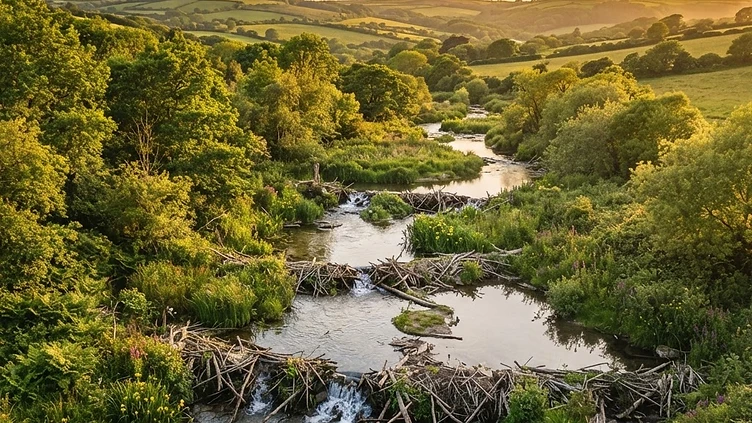
At the center of this environmental renaissance are the people who know the land best. The 'Fal Rivers to Reef' project has successfully united traditionally distinct groups—farmers, fishers, and conservationists—under a shared banner of ecological restoration. On his own land, has introduced beaver enclosures that serve as nature’s own filtration system. These industrious animals have built dams that are already yielding impressive results, effectively trapping around 60 centimeters of silt and mud that would otherwise choke downstream habitats. Alongside this, and Jim Pascoe are contributing by planting trees to stabilize the soil, acting as a natural barrier to prevent harmful nutrient runoff. This collaborative spirit, linking the rugged Cornish countryside to the vitality of the river, is the cornerstone of the initiative's success. By working hand-in-hand with nature, these local stewards are ensuring that the water flowing toward the sea is cleaner, clearer, and far healthier for the delicate life it supports.
Protecting the Underwater Treasures
The ultimate destination for the River Fal is the estuary, a site of immense global significance. As one of the largest natural harbors in the world, this sprawling marine environment is home to unique and fragile ecosystems that require urgent care. Among these are the vibrant, purple-pink maerl beds—rare, calcified seaweed structures that carpet the seafloor—and vast seagrass meadows. These meadows act as vital nursery grounds for many fish species of commercial importance, yet they are currently under threat from blooms fueled by excess nutrients flowing into the estuary. To tackle this, is engaging the local community through an ambitious citizen science program. are being trained to conduct detailed underwater surveys, employing specialized cameras and floating GPS devices to monitor the state of the seabed. One such volunteer, 65-year-old retired camera operator Simon Tagney, has been instrumental in these efforts, documenting the marine environment near the historic 16th-century St Mawes Castle. This combination of high-tech monitoring and hands-on community involvement provides a clear picture of how the restoration is progressing, allowing the project to adapt and evolve based on real-time data from the field.
A Collaborative Future for UK Waters
The 'Fal Rivers to Reef' project is more than a local endeavor; it serves as a powerful proof of concept for the rest of the United Kingdom. By demonstrating that cross-sector collaboration between farmers, fishers, and conservationists can effectively mitigate river pollution and bolster marine biodiversity, the initiative provides a blueprint for landscape-scale management. The beauty of this model lies in its optimism and its recognition that everyone has a role to play. Whether it is a farmer managing sediment, a volunteer surveying the deep, or a council team coordinating the strategy, the combined efforts are creating a ripple effect of positive change. As the project matures, it stands as a testament to what can be achieved when a community sets aside traditional divisions to focus on a singular, noble goal: the restoration of our precious river and reef ecosystems. Looking forward, the initiative offers a bright and sustainable outlook for the Fal, ensuring that the health of our waters remains a priority that brings us all together, from the source deep in the moorland to the sparkling waters of the English Channel.
Originally reported by
All rights in the original reporting remain with the publishers below.
Originally reported by ‘Small changes can make a big difference’: how getting farmers, fishers and beavers together could save a Cornish river. Our feature is written independently from verified facts — please support the original reporting:
Read the original storyRelated Wins

 Sport
SportCHESS PRODIGIES BREAK BARRIERS IN NATIONAL LEAGUE DEBUT
The 'She Plays to Win' Lionesses have made history by competing in the top division of the Four Nations Chess League, marking the culmination of three consecutive promotions. Despite facing unique regulatory challenges regarding team composition, the squad continues to demonstrate exceptional skill and camaraderie at the highest level of British chess.
London & South · 1 hour ago

 Science
NEW PATHWAYS TO DIAGNOSIS: CAMBRIDGE STUDY SHEDS LIGHT ON AUTOIMMUNE HEALTH
A landmark study from the University of Cambridge is paving the way for more accurate medical care by highlighting critical gender disparities in the diagnosis of autoimmune conditions. By identifying how and why these misdiagnoses occur, researchers are providing the evidence needed to ensure patients receive faster, more effective support for their physical health.
London & South · 1 hour ago

 Environment
A NATURAL REVIVAL FOR BARNES GREEN
A major river restoration project has successfully transformed the Beverley Brook at Barnes Green into a thriving, natural habitat. This initiative has introduced a meandering river channel and a new island, significantly boosting local flood resilience and biodiversity.
London & South · 7 hours ago
The Sunshine Digest
One bright email each week — verified good news only, unsubscribe in a click.