CELESTIAL SPECTACLE: ORIONID METEOR SHOWER LIGHTS UP UK SKIES
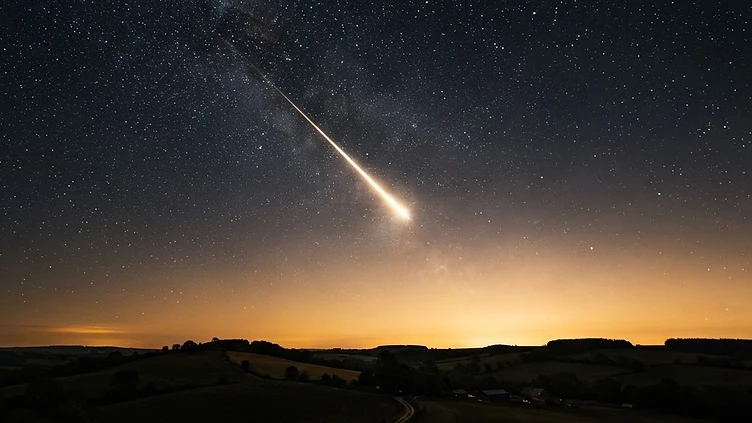
Stargazers across the UK are being treated to a dazzling natural display as the annual Orionid meteor shower reaches its peak this week, offering a rare opportunity to witness fragments of Halley’s Comet.
The story in 20 seconds
20Event: Orionid meteor shower.
Peak dates: Overnight from 21 to 22 October 2026.
Active period: 2 October to 7 November 2026.
A Cosmic Gift for UK Skies
Across the United Kingdom, residents are currently being offered a front-row seat to one of the most enchanting displays in the natural world. As autumn deepens, the atmosphere above our heads is transforming into a canvas for the annual meteor shower. This celestial event, which serves as a timely reminder of the beauty found within our own solar system, is drawing stargazers out into the crisp night air. It is a moment for the nation to pause and look upward, embracing a rare, natural, and accessible phenomenon that requires nothing more than a clear view and a bit of patience to enjoy.
The Legacy of a Famous Comet
What makes the current display particularly special is its historic origin. The light trails visible to observers are actually tiny fragments of , a celestial body that carries with it an immense narrative of scientific interest. As our planet passes through the debris trail left behind by this famous , these bits of space dust enter our atmosphere at extraordinary speeds. These particles travel at 41 miles per second, or 66 kilometres per second, creating the brilliant streaks of light that have captured the human imagination for generations.
The relationship between the Earth and Comet is a long-standing dance through the vacuum of space. The comet itself follows a predictable but lengthy path, taking roughly 76 years to complete a single orbit around the Sun. Many people across the UK will remember the last time this famous visitor was clearly visible, which occurred back in 1986. For those hoping to catch a glimpse of the comet itself, the wait continues until 2061, when it is next to grace our skies. In the meantime, the annual meteor shower serves as a wonderful surrogate, allowing us to interact with the debris of this iconic cosmic traveller twice a year, as Earth also passes through the dust trail during the Eta Aquariid shower each May.
Maximising Your Night Sky View
For those eager to participate in this celestial event, the peak is occurring between 21 and 22 October 2026. While the Orionid shower remains active from 2 October through 7 2026, the mid-week peak offers the best opportunity to witness the most significant activity. Astronomers and enthusiasts suggest that we can expect a frequency of between 10 and 20 meteors per hour during these prime hours. It is a gentle yet consistent display that rewards the dedicated observer.
The beauty of this event lies in its simplicity. Unlike many scientific endeavours that require sophisticated technology or heavy equipment, the Orionids are best viewed with the naked eye. There is absolutely no need for telescopes or binoculars to enjoy the show. By choosing a location away from the encroaching light pollution of our major cities, viewers in the London and South region and beyond can significantly enhance their experience. Finding a patch of dark sky is the key to unlocking the full potential of this natural spectacle. By looking towards the radiant point in the constellation of Orion, patient observers will find themselves perfectly positioned to catch these fleeting moments of light.
Looking Upwards with Hope
As we head into the deepest hours of the night this week, it is worth reflecting on the shared experience of watching the heavens. The Orionid meteor shower acts as a natural bridge, connecting people across the United Kingdom through a collective act of wonder. In an increasingly fast-paced world, being able to stand outside and observe the remnants of a comet that will not be seen again for decades is a profound experience. It reminds us that we are part of a much larger, dynamic, and fascinating universe.
Whether you are an experienced astronomer or someone simply looking for an excuse to step outside and appreciate the night, the Orionids offer an invitation that is hard to ignore. It is a rare, natural gift that invites us to put down our screens, find a dark corner of the garden or countryside, and simply look up. As the peak passes and we move further into the autumn season, the memory of these meteors burning up in our atmosphere serves as a comforting reminder of the beauty that surrounds us. These fleeting streaks of light from Halley’s Comet represent the long, ancient cycles of our solar system, reminding us that even the smallest fragments of space can create the most dazzling displays. As the showers continue into early November, there is still time for everyone to experience the magic of the Orionids for themselves.
Originally reported by
All rights in the original reporting remain with the publishers below.
Originally reported by Starwatch: Catch the Orionid meteor shower streak across the night sky. Our feature is written independently from verified facts — please support the original reporting:
Read the original storyRelated Wins

 Environment
Coastal Revival: Solent Seabird Colonies Bounce Back After Flu Crisis
Conservationists are celebrating a significant recovery of seabird populations along England’s south coast following the severe avian influenza outbreak of 2022. Collaborative habitat restoration projects have provided vital sanctuary for vulnerable species, marking a successful turning point for local biodiversity.
London & South · 2 hours ago

 Sport
LIONESSES SECURE LONG-TERM FUTURE WITH WIEGMAN EXTENSION
England’s women’s football team will continue their journey under the leadership of Sarina Wiegman, who has committed her future to the squad until 2029. This extension ensures stability for the Lionesses as they look ahead to upcoming major international tournaments.
London & South · 2 hours ago

 Science
NEW HOPE FOR COVENTRY: CARE FACILITY TO CREATE 100 JOBS
Construction has officially commenced on a new specialist care home in Coventry, marking a significant investment in both local infrastructure and regional employment. The project, which repurposes a former church site, is set to provide essential support for adults with complex care needs while boosting the local economy.
Midlands · 20 hours ago
The Sunshine Digest
One bright email each week — verified good news only, unsubscribe in a click.