British House Sparrows Begin Historic Recovery After Decades of Decline
New environmental data indicates that the UK’s house sparrow population is finally stabilising following a loss of 30 million birds since the mid-20th century. This turnaround is being driven by targeted conservation efforts in residential gardens and a surge in citizen science participation across the country.
The story in 20 seconds
20The UK house sparrow population has begun to stabilise after a catastrophic decline that saw 30 million birds vanish since 1966.
Current estimates place the UK population at approximately 10 million birds.
The species is currently classified on the UK Red List, indicating the highest level of conservation concern.
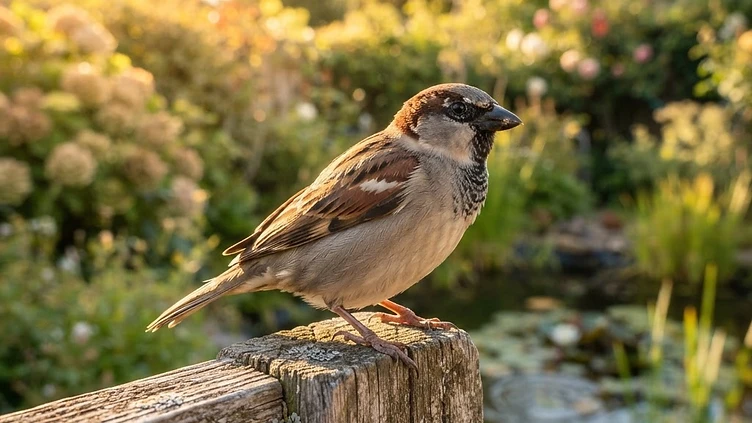
A Chirpy Return To Our Gardens
For generations, the quintessential sound of a British morning has been the chatter of the house sparrow. These resilient little birds, which typically live in social colonies of ten to twenty pairs, have long been a fixture of our landscape. However, the last few decades have been marked by a period of profound silence. Since 1966, witnessed a truly catastrophic decline, with an estimated 30 million birds vanishing from our skies and hedgerows. It was a trend that felt almost irreversible, leaving many to fear that these familiar garden companions were slipping away forever. Yet, as of August 2026, there is finally a reason to celebrate. New environmental data confirms that the population has begun to stabilise, marking a historic turning point in the fortunes of a species that had been pushed to the brink. This recovery is not just a statistical anomaly; it is a testament to the power of collective action and the enduring bond between people and their local wildlife. While the species remains on the , signifying the highest level of conservation concern, the shift from a plummeting population to a stable one is a monumental milestone. alone, where numbers had cratered by 69% since the 1970s, this news offers a flicker of hope that our gardens may once again bustle with the activity of these non-territorial birds.
Gardens As Havens For Recovery
The success of this turnaround is deeply rooted in the efforts of ordinary citizens. The year 2025 served as a pivotal moment, with a massive citizen science initiative drawing in hundreds of residents across the country. By actively monitoring their local bird populations, these volunteers provided the data needed to track the recovery and understand exactly what these birds require to thrive. It has become clear that our own backyards play a vital role in this environmental resurgence. indicates that the presence of bird feeders is a universal positive, offering essential sustenance regardless of the specific food provided. Sparrows rely on a diverse diet comprising seeds, berries, and a crucial 30% intake of invertebrates during the summer months to support their young. Furthermore, the design of our outdoor spaces has proven influential. Gardens that incorporate ponds are significantly more likely to host larger colonies, while those featuring clusters of nest boxes with entrance holes between 31mm and 35mm provide the perfect environment for breeding. Geography, too, plays a part. situated within 100 metres of green recreational spaces tend to show much higher occupancy rates. It is an encouraging sign that, by making small, thoughtful adjustments to our private environments, we have been able to arrest a decline that had once seemed inevitable.
Challenges And Lessons For The Future
While the national news is undeniably optimistic, the path to recovery has not been uniform. In Northern Ireland, for instance, the species faced a difficult history, suffering a 62% decline by the late 1990s before the trend took hold. Even today, conservationists there highlight the domestic cat as a primary urban predator. Yet, it is testament to the strength of the recovery efforts that this pressure has not been enough to stop the positive trend. It is also important to acknowledge the complexities of development. Research has revealed that housing built after 2019 is often less hospitable to sparrows than older developments, suggesting that as we look to the future, we must consider the needs of our avian neighbours during the construction of new homes. The house sparrow is a bird that typically lives for three years, though they are capable of reaching up to 12 years of age. Their ability to recover is a reminder of how quickly nature can respond when we provide the right conditions. This stabilisation follows years of intensive public awareness campaigns regarding garden biodiversity, proving that when the public is informed and engaged, the impact on conservation is tangible. With the current UK population estimated at approximately 10 million birds, we are in a far better position than many feared just a few years ago. As we look ahead, the story of the house sparrow serves as a hopeful blueprint for how we might support other species under pressure. By combining scientific research with the enthusiasm of citizen volunteers, we have found a way to welcome these chatterers back into our lives. The silence that once loomed over our gardens is slowly being replaced by the familiar, energetic life that defined so many of our childhoods. It is a slow, steady, and beautiful recovery that reminds us of the profound difference we can make when we choose to act.
Originally reported by
All rights in the original reporting remain with the publishers below.
Originally reported by Signs of a house sparrow comeback in the UK after decades of decline. Our feature is written independently from verified facts — please support the original reporting:
Read the original storyRelated Wins

 Environment
A NATURAL REVIVAL FOR BARNES GREEN
A major river restoration project has successfully transformed the Beverley Brook at Barnes Green into a thriving, natural habitat. This initiative has introduced a meandering river channel and a new island, significantly boosting local flood resilience and biodiversity.
London & South · 7 hours ago

 Environment
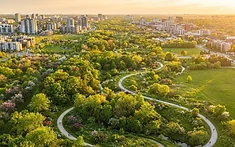
A "Nature Ring" for London: Ambitious Green Corridor Takes Root
A visionary 25-year project is underway to encircle the capital with a continuous 200km green corridor, transforming the city’s outer edges into a thriving habitat for both wildlife and residents. By connecting existing green spaces with new orchards, hedgerows, and woodlands, the initiative aims to restore biodiversity and provide nature-deprived communities with improved access to the outdoors.
London & South · 1 day ago

 Environment
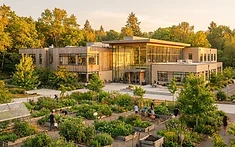
'Outstanding' school 'over-capacity' to move and expand from Bermondsey to Peckham
A highly-rated special school is set to expand its capacity and move into a modern, sustainable facility to better support children with complex needs. This relocation will provide 21 additional places for pupils, ensuring more families have access to high-quality, purpose-built educational environments.
London & South · 1 day ago
The Sunshine Digest
One bright email each week — verified good news only, unsubscribe in a click.