British AI Innovation Hits the Streets as London Launches First Robotaxi Fleet
Londoners can now experience the next generation of travel as the city becomes the first in the world to host commercial journeys powered by Wayve’s autonomous driving technology. While the vehicles are currently supervised by human safety drivers, the rollout marks a significant milestone in the development of accessible, AI-driven transport solutions.
The story in 20 seconds
20The service launched on September 3, 2026.
The fleet consists of all-electric Ford Mustang Mach-E vehicles.
Wayve is a British company founded in 2017 by two University of Cambridge PhD students.
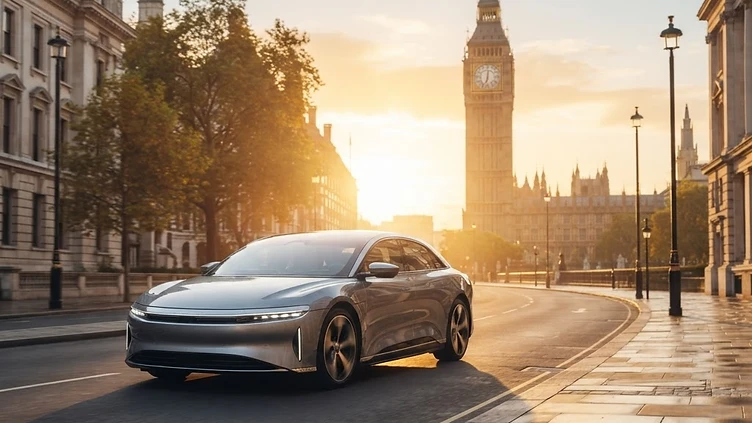
A New Dawn for London Travel The landscape of London transportation underwent a quiet revolution on September 3, 2026. On this landmark day, the city officially stepped into the future of urban mobility by launching the United Kingdom’s first commercial robotaxi service. This ambitious project, which represents a massive leap forward for British technological prowess, allows everyday passengers to summon an autonomous ride directly through the familiar interface of the Uber app. As the fleet of all-electric Ford Mustang Mach-E vehicles begins to navigate the capital’s bustling thoroughfares, it serves as a tangible demonstration of how artificial intelligence is moving from the realm of theory into the heart of our daily lives. This initiative marks London as the first city across the globe to host commercial passenger journeys powered by the sophisticated technology developed by Wayve, a pioneering British startup.
From Cambridge Labs to City Streets To understand the significance of this debut, one must look back at the origins of Wayve. Founded in 2017 by a pair of PhD students from the University of Cambridge, the company set out with a vision to redefine how machines perceive the road. Unlike traditional systems that rely heavily on rigid, pre-mapped data, Wayve has championed the development of what it calls embodied AI. This revolutionary approach allows the vehicle’s software to learn through direct, real-world driving experiences, enabling it to navigate the complexities and unpredictable nature of a city like London with greater adaptability. This journey from academic research to the concrete reality of London’s streets has been years in the making. Since 2018, Wayve has been carefully testing its autonomous systems across the capital, building up a wealth of data and ensuring the technology is robust enough for public use. The culmination of this long-term effort was supported by a significant injection of confidence in February 2026, when Wayve successfully raised $1.5 billion in a Series D funding round, providing the resources necessary to scale their platform effectively.
Safety and Innovation at the Core While the sight of a driverless-capable car may seem like science fiction, the current rollout prioritizes passenger security above all else. Every Ford Mustang Mach-E operating within the fleet is currently accompanied by a human safety driver. This expert is positioned behind the wheel, ready to take manual control of the vehicle at a moment’s notice should the need arise. This dual-layer approach ensures that as the AI continues to refine its navigation skills, there is a constant, watchful eye guiding the process. The launch follows a rigorous and successful licensing process with Transport for London, underscoring the collaborative nature of this project. It is a moment of genuine pride for the United Kingdom, as the initiative has garnered official support from the government, which views the venture as a landmark milestone for national transport innovation and vital future investment. The public appetite for this change has also been substantial, with approximately 140,000 Londoners opting in to participate in the initial trial phase, proving that there is a deep, underlying curiosity among citizens to be part of this technological leap.
A Collaborative Future This venture is far more than an isolated local experiment; it is the physical manifestation of a major global partnership involving Wayve, Uber, and Stellantis. By integrating Wayve’s cutting-edge AI into the world’s most recognized mobility platform, the project aims to demonstrate that urban transport can be both more efficient and fundamentally safer in the years to come. The goal is to provide a seamless travel experience that reduces the stress of city transit while showcasing British AI leadership on the world stage. As these electric vehicles glide through the streets of London, they offer a glimpse into a potential future where the movement of people within cities is cleaner, smarter, and significantly more integrated. The combination of sustainable electric power and the adaptability of embodied AI positions the UK as a genuine leader in the global race to modernize urban transport. As the service continues to operate, it serves as a testament to what can be achieved when academic ingenuity, private enterprise, and government support align. Looking ahead, this project paves the way for a new era in metropolitan life, where the technology of tomorrow is already navigating the roads of today, making the dream of automated, accessible transport a reality for everyone.
Originally reported by
All rights in the original reporting remain with the publishers below.
Originally reported by London’s first self-driving taxis for hire hit the streets. Our feature is written independently from verified facts — please support the original reporting:
Read the original storyRelated Wins

 Health
60-bed care home plan emerges for former St John Fisher school site in Chatham
A new 60-bed care home has been proposed for the former St John Fisher school site in Chatham, aiming to provide essential residential and dementia care for the local community. This development is designed to offer high-quality, modern living spaces that include dedicated facilities for social interaction and wellbeing.
London & South · 3 hours ago

 Tech
TechRECYCLED TEXTILES PAVE THE WAY FOR SUSTAINABLE ROAD REPAIRS
Maidstone Borough Council is trialling an innovative, eco-friendly method to repair road surfaces by repurposing discarded fast-fashion garments. This sustainable initiative aims to reduce waste while maintaining local infrastructure, marking a creative step forward in circular economy practices for the region.
London & South · 3 hours ago

 Environment
New Vision for Bristol’s Industrial Heart
A major urban regeneration project in Bristol is set to transform 95 hectares of underutilised industrial land into a vibrant, people-centred neighbourhood. The ambitious masterplan prioritises community wellbeing by introducing a car-free canalside promenade, extensive green spaces, and new local amenities.
London & South · 9 hours ago
The Sunshine Digest
One bright email each week — verified good news only, unsubscribe in a click.