Ancient Welsh Manuscripts Reunited After a Millennium
A historic collection of medieval manuscripts is returning to Wales to be displayed together for the first time in nearly 1,000 years. This landmark exhibition offers a rare opportunity to view these cultural treasures, which were originally produced at a renowned Welsh centre of learning, in their homeland.
The story in 20 seconds
20The exhibition 'Normans: The Welsh Perspective' runs from November 20, 2026, to March 20, 2027.
The venue is the National Library of Wales, located in Aberystwyth.
Three specific manuscripts from Llanbadarn Fawr are being reunited for the first time in nearly 1,000 years.
A Homecoming Across Ten Centuries
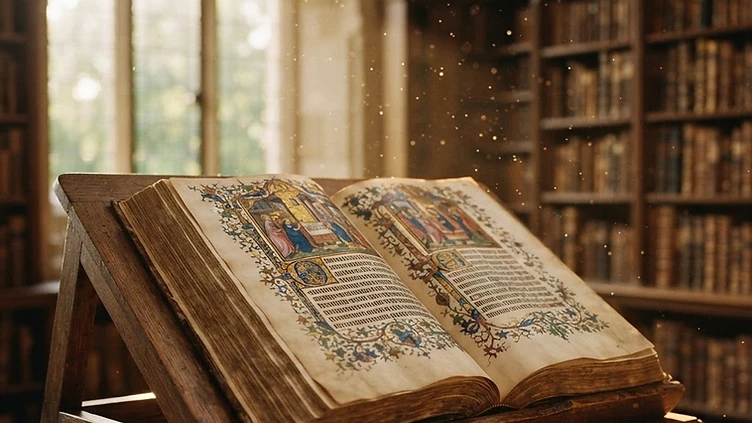
For the first time in nearly one thousand years, the winds of history are blowing home to Wales. A remarkable collection of medieval manuscripts, born in the dedicated scriptoriums of , is embarking on a momentous journey back to the landscape that first inspired their creation. This rare reunion marks a profound chapter for Welsh cultural heritage, offering an unprecedented opportunity for the public to witness these treasures together on home soil. Beginning on November 20, 2026, and running through until March 20, 2027, the of Wales in Aberystwyth will play host to a landmark exhibition titled '.' This homecoming is not merely a static display of parchment and ink; it is a vibrant celebration of Welsh intellectual history and a testament to the resilience of a culture that has preserved its voice against the march of centuries. The exhibition represents a masterclass in collaboration, made possible through the combined efforts of the National Library of Wales, the British Library, and , Cambridge. By pooling these significant resources, the project organizers have successfully navigated the complexities of international curation to bring these storied texts back to the heart of Wales.
The Voices of Llanbadarn Fawr
The centrepiece of this gathering is the reunion of three specific manuscripts, all of which trace their origins to the esteemed Welsh centre of learning at Llanbadarn Fawr. Among these precious items are the Ricemarch Psalter and the , the latter of which includes the celebrated Life of St David penned by Rhygyfarch ap Sulien. To see these pages reunited is to bridge a chasm in time, allowing scholars and history enthusiasts alike to appreciate the sheer craftsmanship and scholarly ambition that once flourished in medieval Wales. Joining these heavyweights of history is the iconic Book of , further enriching the depth of the narrative presented in Aberystwyth. For nearly a millennium, these items have been dispersed, held in the protective custody of institutions across England. Now, they return to the very environment that nurtured the minds that first set their words to parchment. The exhibition serves as a physical manifestation of Welsh cultural endurance, reminding all who visit that the intellectual output of the medieval Welsh scribes was both sophisticated and deeply significant. By focusing on the perspectives of the local people rather than the traditional narratives of the conquerors, the exhibition invites a fresh look at a period defined by change and challenge. It encourages visitors to understand the Welsh experience not just as a footnote to history, but as a robust and resilient story of identity.
A European Vision of History
The significance of this exhibition extends far beyond the borders of Wales, forming a vital component of a wider European initiative. This project aligns with a continental programme designed to commemorate the millennium of the birth of William the Conqueror, which occurs in 2027. By participating in this collaborative effort, which involves partners spanning Wales, , England, and France, the exhibition places Welsh history firmly within the context of medieval European transformation. It is a bold move that repositions Wales at the heart of historical discourse. While the broader European celebrations may often focus on the mechanics of conquest and the shifting of borders, the team in Aberystwyth has chosen a different path. 'Normans: The Welsh Perspective' challenges the traditional gaze, shifting the focus from the victors to the experiences of those living under the influence of the new Norman order. This perspective is essential for a more nuanced understanding of our shared past, highlighting how, even in times of political upheaval, the Welsh maintained a distinct intellectual and cultural spirit. The collaborative nature of this initiative, drawing upon expertise and collections from across national boundaries, demonstrates how history can serve as a bridge between countries, fostering mutual respect and shared inquiry.
Looking Forward to a Shared Past
As we look ahead to the opening in November 2026, there is a palpable sense of excitement surrounding the return of these cultural pillars. The National Library of Wales offers an ideal venue, set against the backdrop of Aberystwyth, where the atmosphere of the coast provides a fitting sanctuary for these returning treasures. This exhibition is more than a display; it is a homecoming, a scholarly milestone, and a triumphant assertion of Welsh heritage. It serves as a reminder of the quiet, enduring power of the written word, which has survived the rise and fall of kingdoms to speak to us today. By creating a space where the Ricemarch Psalter, the Vitae Sanctorum Wallensium, and the Book of Taliesin can reside together, the curators are doing more than just organizing an exhibition; they are ensuring that the link to our ancestors remains unbroken. Visitors will have four months to immerse themselves in this unique perspective, witnessing the beauty of medieval calligraphy and the depth of the narratives that shaped a nation. It is an optimistic look into the past, proving that while history may be marked by conflict, the legacy of human creativity is defined by its persistence. This is a rare chance to engage with the actual documents that recorded the spirit of Wales a thousand years ago. Whether you are a dedicated student of the medieval period or simply someone curious about the roots of Welsh identity, the exhibition promises an experience that is both intellectually stimulating and deeply moving. As the doors open in Aberystwyth, the nation will be welcoming back some of its most eloquent voices, finally united after a millennium of silence.
Originally reported by
All rights in the original reporting remain with the publishers below.
Originally reported by nation.cymru. Our feature is written independently from verified facts — please support the original reporting:
Read the original storyRelated Wins

 Health
Patience pays off for rare species in only Welsh location
A rare insect once feared extinct in Wales has been successfully rediscovered, marking a significant milestone for local biodiversity and conservation efforts. This finding confirms that the species is still present in the Welsh landscape, providing a vital boost to ongoing environmental protection work.
Wales · 7 hours ago

 Culture
Edinburgh Zoo Welcomes Capybara Triplets
The capybara family at Edinburgh Zoo has expanded with the arrival of three healthy pups, born to parents Luna and Rodney. These new additions follow the birth of their older brother, Bru, who made headlines earlier this year as the first of his species born in Scotland in nearly two decades.
Scotland · 7 hours ago

 Culture
Knutsford Artists Capture the Town’s Creative Spirit
The annual Paint Knutsford event brought together local artists and the community to celebrate the town's unique character through an outdoor painting competition and exhibition held at the Market Hall.
North of England · 18 hours ago
The Sunshine Digest
One bright email each week — verified good news only, unsubscribe in a click.