AI-POWERED MAMMOGRAMS OFFER NEW HOPE FOR HEART HEALTH
A groundbreaking study has revealed that routine breast cancer screenings can now double as a vital tool for identifying early signs of cardiovascular disease in women. By using artificial intelligence to analyse mammograms, clinicians can detect hidden arterial calcium deposits, allowing for earlier intervention against the leading cause of death for women.
The story in 20 seconds
20Researchers have developed an AI-driven method to identify breast artery calcification (BAC) during standard mammography.
The technology automatically categorises calcium deposits in the arteries within breast tissue.
Women with significant calcification levels face a substantially higher risk of experiencing major cardiovascular events.
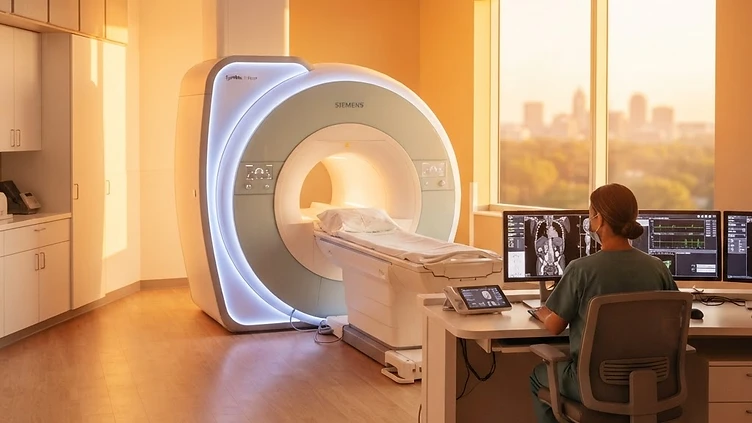
A Heartfelt Discovery In The Reading Room
A routine hospital visit that has long been a staple of ’s health in the London and South region is undergoing a remarkable transformation. As of August 2026, the humble mammogram is no longer just a vital weapon in the fight against breast cancer; it has evolved into a sophisticated sentinel for heart health. This pioneering development, which integrates artificial intelligence into standard screening procedures, promises to identify cardiovascular risks years before they might otherwise manifest. For millions of women, this technological leap means that a single appointment could soon offer dual reassurance, providing a clearer window into both breast and cardiac wellbeing. The simplicity of the approach is its greatest strength, as it requires no extra testing, no additional stress, and no shift in the current clinical pathway. Instead, it adds a powerful layer of intelligence to existing diagnostic efforts, turning routine medical data into a life-saving blueprint for the future of preventative medicine.
The Invisible Signals Of The Heart
At the centre of this breakthrough is the sophisticated analysis of breast artery calcification, commonly referred to as BAC. While these calcium deposits in the breast tissue have been visible on scans for years, they were previously underutilised as a diagnostic tool. Now, a new AI-driven methodology has been trained to automatically categorise these specific deposits during standard mammography. The research, which has been validated through the rigorous analysis of over 120,000 mammograms, confirms that these minute arterial signatures serve as reliable markers for wider cardiovascular health. By identifying those women who show significant levels of calcification, clinicians can now flag a substantially higher risk of major heart-related events long before they become life-threatening. The strength of this finding lies in its long-term reliability. By following participants over an average of seven years, have established a clear and undeniable correlation between the findings within breast tissue and the eventual health outcomes of the heart. This creates a bridge between breast imaging and cardiology that was previously nonexistent, allowing the medical community to treat cardiovascular disease with an unprecedented level of foresight.
A Wider Perspective On Female Health
Cardiovascular disease remains the leading cause of death for women, a statistic that has long cast a shadow over public health efforts. The introduction of this AI-driven method offers a glimmer of genuine hope, providing a non-invasive diagnostic layer that could dramatically alter this landscape. Because the system operates behind the scenes, scanning images that would have been captured anyway, it fits seamlessly into the existing framework of women’s health services. There is a palpable sense of optimism surrounding the impact this will have on mortality rates. By catching potential issues early, doctors can move from reactive treatment to proactive care, initiating interventions that preserve quality of life and save lives. This advancement is particularly significant for the UK, as it utilises existing infrastructure to deliver a massive upgrade in patient outcomes. Rather than calling for new clinics or extensive additional staffing, this technology empowers current resources to perform at a higher level, essentially unlocking latent potential within the standard screening programme. It is a brilliant example of how technology, when applied with precision, can refine our understanding of the human body and improve the trajectory of chronic conditions.
Looking Toward A Brighter Future
The arrival of this diagnostic capability marks a significant milestone in health technology. By turning a routine screening into a comprehensive health assessment, the medical community is moving toward a more holistic view of the patient. This, in turn, fosters a proactive healthcare culture where individuals feel empowered by the data collected about their own bodies. The success of this study suggests that we are entering a new era of diagnostics, one where AI serves as a silent, efficient partner to the clinician. As we look ahead, the potential for wider integration across the country could fundamentally change the way we manage long-term health risks. For the women attending appointments in London and the South, the reassurance provided by these AI tools is truly transformative. It represents a shift away from the uncertainty that often accompanies diagnostic processes, replacing it with objective, actionable information that facilitates better long-term planning. The progress made in 2026 serves as a powerful reminder of how innovation, rooted in deep data analysis and a commitment to patient wellbeing, can light the way toward a healthier, more resilient future for everyone. As these protocols become standard, the legacy of this research will be felt in the countless lives saved through early, insightful detection, proving that sometimes the best solutions to our most complex health challenges are hidden in plain sight, waiting for the right technology to bring them into focus.
Originally reported by
All rights in the original reporting remain with the publishers below.
Originally reported by theguardian.com. Our feature is written independently from verified facts — please support the original reporting:
Read the original storyRelated Wins

 Sport
SportCHESS PRODIGIES BREAK BARRIERS IN NATIONAL LEAGUE DEBUT
The 'She Plays to Win' Lionesses have made history by competing in the top division of the Four Nations Chess League, marking the culmination of three consecutive promotions. Despite facing unique regulatory challenges regarding team composition, the squad continues to demonstrate exceptional skill and camaraderie at the highest level of British chess.
London & South · 1 hour ago

 Science
NEW PATHWAYS TO DIAGNOSIS: CAMBRIDGE STUDY SHEDS LIGHT ON AUTOIMMUNE HEALTH
A landmark study from the University of Cambridge is paving the way for more accurate medical care by highlighting critical gender disparities in the diagnosis of autoimmune conditions. By identifying how and why these misdiagnoses occur, researchers are providing the evidence needed to ensure patients receive faster, more effective support for their physical health.
London & South · 1 hour ago

 Health
Widnes youngster cutting hair after 10 years for good cause
A young Widnes resident has donated his hair after growing it for a decade to support children facing hair loss due to medical treatment.
North of England · 6 hours ago
The Sunshine Digest
One bright email each week — verified good news only, unsubscribe in a click.