A Wildflower Meadow Blooms Through Nature’s Own Design
A former boggy field in Norfolk has been transformed into a thriving, biodiverse sanctuary simply by allowing nature to take its course. Through a minimal management approach, the land has seen a remarkable resurgence of native plant species, offering a hopeful blueprint for ecological restoration.
The story in 20 seconds
20Location: Bodham, North Norfolk.
Primary landowner: Derek Sayer.
Research period: 2011 to 2022.
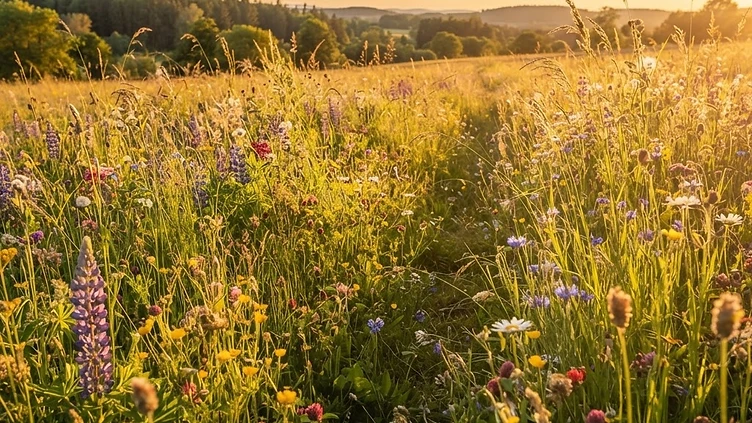
A Meadow Reclaimed In Norfolk
In the quiet corner of Bodham, , a transformation has quietly unfolded over the past decade, turning what was once a troublesome, waterlogged agricultural patch into a vibrant sanctuary of life. Between 2011 and 2022, a simple but profound experiment in landscape took place, overseen by farmer in collaboration with Professor Derek Sayer. Rather than fighting the stubborn, boggy nature of the land with heavy machinery or intensive chemical intervention, they opted for a philosophy of restraint. By stepping back and allowing the landscape to chart its own course, they have proven that sometimes the most effective way to help the environment is to simply get out of the way. This eleven-year journey serves as a powerful testament to the resilience of nature when given even the smallest amount of breathing room. The project, which relied on passive rewilding techniques, has become a beacon for those looking to understand how degraded land can be coaxed back to health without constant, costly human interference.
The Power Of Passive Restoration
The core methodology behind this success was remarkably straightforward: minimal management. Aside from a single, carefully timed annual hay-cut, the land was left to its own devices, facilitating a process of natural succession that has left ers and locals alike in awe. This passive approach allowed the field to transition from a degraded agricultural state into a complex, biodiverse wildflower meadow that now hums with life. The data gathered during the research period paints an incredibly optimistic picture for ecological . Over the course of the project, more than 150 distinct plant species were identified on the site. This density of variety is a far cry from the monoculture typically associated with agricultural land. Among the most heartening sights are the wild orchids, which have established a population, signalling that the soil health and environmental conditions are not just stable, but flourishing. This restoration that nature, when relieved of the pressures of industrial-style management, possesses an inherent drive to recolonise and rebuild. It suggests that for many struggling sites across the United Kingdom, the secret to recovery may not lie in planting new seeds or importing complex ecosystems, but in unlocking the latent potential already waiting within the existing earth.
Lessons For The Future
The significance of this Norfolk success story extends well beyond the borders of a single farm in Bodham. As we look at the wider challenges facing our rural landscapes in the East of England and beyond, the findings from the partnership between farmer Derek Sayer and Professor Derek Sayer offer a scalable and scientifically backed blueprint. The key takeaway is that natural regeneration can, in specific contexts, significantly outperform active, heavy-handed intervention. By choosing to work with natural succession rather than forcing a human-imposed vision onto the landscape, the team has managed to restore a previously boggy, unproductive space into a documented triumph of . This is not merely an isolated anecdote; it is a serious contribution to our understanding of land management. It highlights how small-scale projects, when carried out with patience and thoughtful oversight, can yield immense ecological returns. This research provides a robust evidence base for the argument that low-intervention models are a viable, cost-effective tool for environmental recovery. In a time where we are frequently searching for complex technological solutions to restore our damaged habitats, this meadow serves as a grounding reminder that nature is often the best architect.
A Blooming Legacy For Britain
As the meadow now stands in its full, documented glory, it invites us to reconsider our relationship with the land. The shift from seeing a boggy field as a problem to be fixed, to viewing it as a blank canvas for natural expression, is at the heart of this success. The project proves that ecological restoration is not always about what we add to a site, but rather what we allow to happen within it. The presence of such a diverse array of flora, including those notable wild orchids, stands as a quiet, colourful protest against the trend of diminishing natural spaces. For the residents of Norfolk and for those interested in the future of British wildlife, this site acts as a hopeful benchmark. It tells us that recovery is possible, that biodiversity can be regained, and that even the most overlooked patches of soil have the capacity to become thriving, living legacies. As we look towards future efforts in conservation across the country, the lessons from the past eleven years at Bodham will undoubtedly serve as a guiding light. Nature has shown us that, given the chance, it is more than capable of finding its own balance and beauty once more.
Originally reported by
All rights in the original reporting remain with the publishers below.
Originally reported by ‘I love it. It’s hope’: the mysterious self-willed wildflower meadow that seeded itself. Our feature is written independently from verified facts — please support the original reporting:
Read the original storyRelated Wins

 Culture
Traitors star Joe Lycett funds free pints at Knutsford bar to support struggling pubs
Comedian Joe Lycett has stepped in to support the local hospitality industry by funding free drinks for patrons at a Knutsford bar. This generous gesture aims to boost footfall and provide a helping hand to a local business during challenging economic times.
North of England · 5 hours ago

 Health
Widnes youngster cutting hair after 10 years for good cause
A young Widnes resident has donated his hair after growing it for a decade to support children facing hair loss due to medical treatment.
North of England · 5 hours ago

 Environment
A NATURAL REVIVAL FOR BARNES GREEN
A major river restoration project has successfully transformed the Beverley Brook at Barnes Green into a thriving, natural habitat. This initiative has introduced a meandering river channel and a new island, significantly boosting local flood resilience and biodiversity.
London & South · 6 hours ago
The Sunshine Digest
One bright email each week — verified good news only, unsubscribe in a click.